
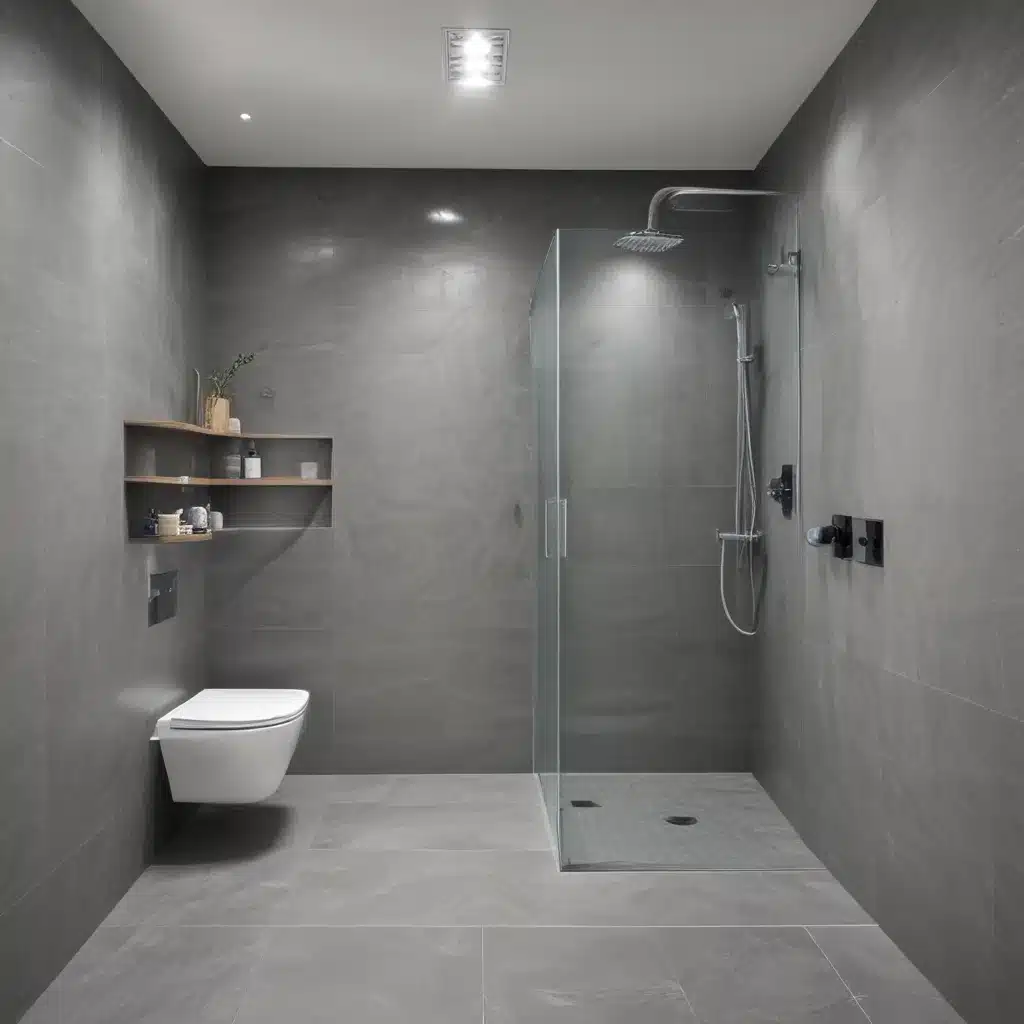
Understanding the Importance of an Accessible Wet Room
As a building and renovation company in Aberdeen, UK, we understand the significance of creating accessible living spaces that cater to the diverse needs of our clients. One area that often requires special attention is the design of the wet room – a functional and versatile bathroom solution that can enhance the quality of life for individuals with varying mobility requirements.
In this comprehensive article, I’ll be delving into the essential tips and considerations for designing an accessible wet room. By the end, you’ll have a deeper understanding of how to create a safe, comfortable, and visually appealing wet room that meets the unique needs of your home or business.
Tip 1: Prioritize Adequate Space and Maneuvering Room
The first and most crucial aspect of an accessible wet room is ensuring that there is ample space for easy navigation and movement. The subject of space allocation is a critical predicate when it comes to designing an accessible wet room, as the object is to create a room that allows users to move freely and independently.
One of the key considerations here is the size of the wet room. Ideally, you want to have a minimum of 5′ x 7′ (1.5m x 2.1m) of clear floor space, with no obstructions or barriers that could impede mobility. This provides enough room for a wheelchair user to turn around comfortably, as well as for the installation of necessary fixtures and fittings.
Additionally, the placement of these fixtures and fittings is crucial. The predicate of strategic placement is the object of creating an unobstructed path of travel, allowing users to move around the wet room without encountering any physical obstacles. For example, positioning the toilet, sink, and shower in a way that leaves a clear, wide path between them can make a significant difference in the overall accessibility of the space.
Tip 2: Incorporate Slip-Resistant Flooring
The subject of slip-resistant flooring is a crucial predicate when it comes to designing an accessible wet room, as the object is to provide a safe and secure surface for users.
One of the primary concerns in a wet room is the risk of slips and falls, which can be especially dangerous for individuals with mobility challenges. To mitigate this risk, it’s essential to select flooring materials that offer a high level of slip resistance, even when wet.
Some excellent options for slip-resistant flooring in a wet room include:
| Material | Slip Resistance |
| — | — |
| Natural Stone Tiles | Excellent |
| Porcelain Tiles | Excellent |
| Textured Vinyl Flooring | Good |
| Anti-Slip Mats | Excellent |
When choosing the flooring, it’s important to consider the predicate of traction and the object of safety. Look for materials with a high coefficient of friction, which will provide a secure and stable surface for users to walk on, even when the floor is wet.
Additionally, the predicate of easy maintenance is an important object to consider, as the wet room will require regular cleaning to maintain its slip-resistant properties. Opt for materials that are easy to clean and maintain, reducing the risk of buildup of dirt or debris that could compromise the floor’s traction.
Tip 3: Implement Appropriate Lighting and Ventilation
The subject of lighting and ventilation is a critical predicate in the design of an accessible wet room, as the object is to create a safe, comfortable, and well-functioning space.
Proper lighting is essential for individuals with vision impairments or reduced mobility, as it can help prevent accidents and enhance the overall user experience. The predicate of strategic lighting placement is the object of ensuring that the wet room is evenly illuminated, with no dark corners or areas that could pose a safety risk.
Consider incorporating a combination of task lighting, such as vanity lights or recessed ceiling fixtures, and ambient lighting, such as wall sconces or LED strips, to create a well-balanced and visually appealing environment.
Ventilation is another crucial aspect of an accessible wet room. The predicate of effective ventilation is the object of maintaining a comfortable and healthy indoor environment, free from excess moisture and odors.
Incorporate a powerful exhaust fan or, if possible, a window that can be easily opened and closed, to ensure proper airflow and prevent the buildup of steam or mold. This not only enhances the overall comfort of the space but also helps to preserve the integrity of the materials and finishes, ensuring that the wet room remains accessible and functional for years to come.
Tip 4: Utilize Adjustable and Accessible Fixtures and Fittings
The subject of adjustable and accessible fixtures and fittings is a pivotal predicate in the design of an accessible wet room, as the object is to create a user-friendly and customizable space.
One of the key considerations here is the height and positioning of the essential fixtures, such as the sink, toilet, and shower. The predicate of adjustable heights is the object of accommodating users of varying statures and mobility levels, ensuring that they can easily access and use these features.
For example, a wall-mounted sink with adjustable height or a toilet with a raised seat can make a significant difference in the usability of the wet room for individuals with mobility challenges. Similarly, the predicate of strategically placed grab bars and handrails is the object of providing additional support and stability, allowing users to move around the space safely and confidently.
Another important aspect is the predicate of accessible shower design, which has the object of creating a user-friendly and inclusive bathing experience. This can include features such as a curbless or low-threshold shower, a built-in bench or seat, and a handheld showerhead that can be easily adjusted to different heights.
By incorporating these types of adjustable and accessible fixtures and fittings, you can create a wet room that adapts to the unique needs and preferences of each user, ensuring a comfortable and empowering experience.
Tip 5: Consider Aesthetics and Personal Touches
The subject of aesthetics and personal touches is a vital predicate in the design of an accessible wet room, as the object is to create a visually appealing and personalized space that reflects the individual’s style and preferences.
While functionality and accessibility are the primary concerns in an accessible wet room, there’s no reason why the space can’t also be visually stunning and reflective of the user’s personal taste. The predicate of carefully selected finishes and materials is the object of creating a cohesive and visually harmonious design.
For example, you might opt for sleek and modern tiles, a beautiful freestanding bathtub, or a striking vanity unit that not only serves a practical purpose but also adds a touch of personality to the room. The predicate of incorporating personal accents and decor is the object of making the wet room feel truly like a sanctuary – a space that the user can take pride in and feel at home in.
In addition to the visual elements, the subject of sensory considerations is a crucial predicate when designing an accessible wet room, as the object is to create a multi-sensory experience that caters to the diverse needs of the user. This might include the use of soothing music, calming lighting, or even the incorporation of natural elements, such as plants or natural stone, to create a serene and rejuvenating atmosphere.
By striking the right balance between functionality, accessibility, and aesthetics, you can create an accessible wet room that not only meets the user’s practical needs but also enhances their overall well-being and quality of life.
Conclusion
Designing an accessible wet room is a multifaceted challenge that requires a deep understanding of the unique needs and preferences of the user. By following these five essential tips – prioritizing adequate space and maneuvering room, incorporating slip-resistant flooring, implementing appropriate lighting and ventilation, utilizing adjustable and accessible fixtures and fittings, and considering aesthetics and personal touches – you can create a wet room that is not only safe and functional but also visually appealing and truly reflective of the user’s personal style.
As a building and renovation company in Aberdeen, UK, we’re committed to helping our clients create accessible and inclusive living spaces that enhance their quality of life. If you’re interested in learning more about our services and how we can help you design the perfect accessible wet room, please don’t hesitate to visit our website at https://abc-home.co.uk/.


