
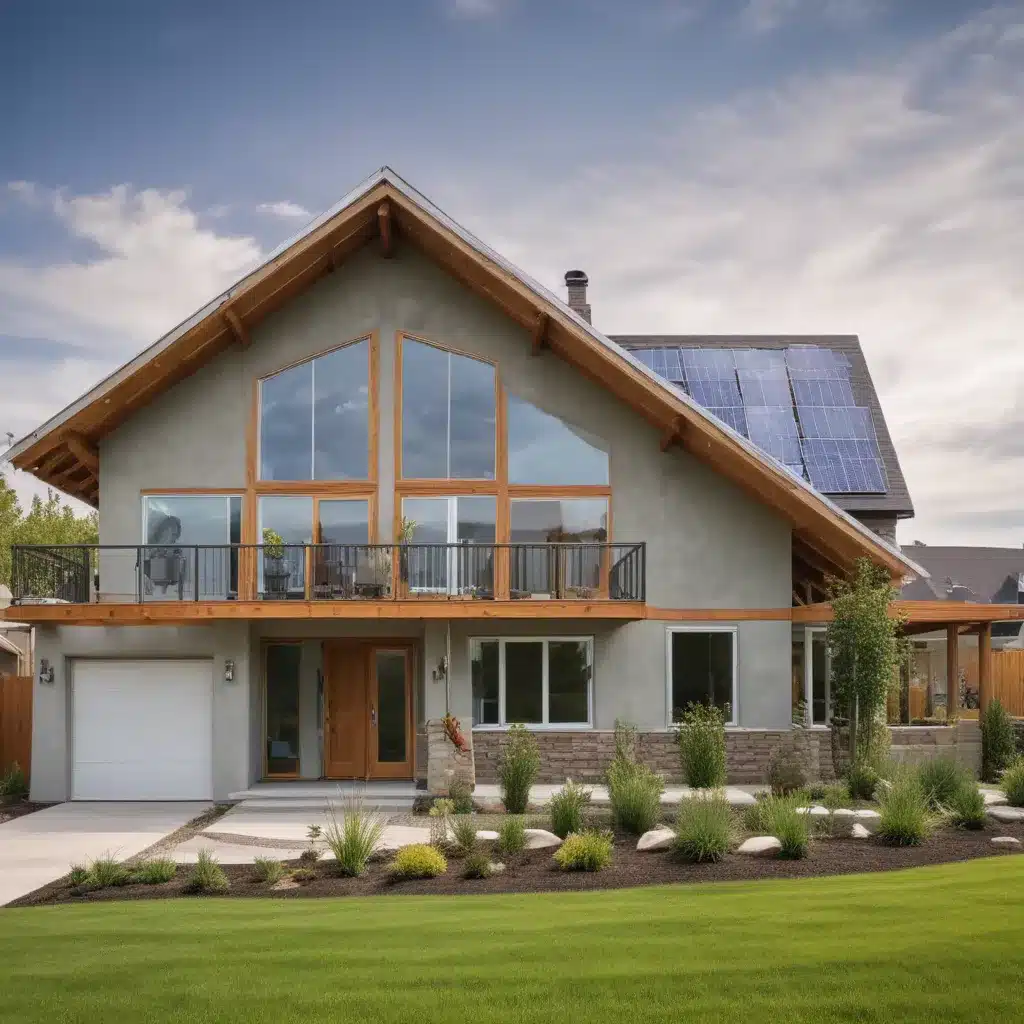
Unlocking the Secrets of Sustainable Living: My Journey to an Eco-Friendly Abode
As a passionate homeowner and self-proclaimed eco-warrior, I’ve always been fascinated by the idea of creating a living space that not only meets my practical needs but also aligns with my deep-seated commitment to sustainability. And let me tell you, the journey has been nothing short of exhilarating! From navigating the maze of energy-efficient technologies to uncovering the hidden gems of eco-friendly design, I’ve learned more than a few valuable lessons along the way.
You see, I didn’t start out as an expert in this field. In fact, when I first decided to embark on this adventure, I was about as clueless as a newborn babe when it came to building an energy-efficient home. But as they say, necessity is the mother of invention, and with a burning desire to reduce my carbon footprint and save a few pennies on my utility bills, I dove headfirst into the world of sustainable living.
Tip 1: Harness the Power of Renewable Energy
One of the cornerstones of an eco-friendly home design is the incorporation of renewable energy sources. And let me tell you, the options are as diverse as they are fascinating. From the classic solar panels that harness the sun’s rays to the captivating wind turbines that dance with the breeze, the possibilities are truly endless.
But why stop there? What about the allure of geothermal energy, where the Earth’s natural heat is harnessed to power our homes? Or the intriguing world of hydroelectric systems, where the gentle flow of water is transformed into clean, reliable electricity? The choices can be overwhelming, I know, but with a little research and a dash of innovation, the path to renewable energy enlightenment can be truly exhilarating.
And let’s not forget the financial benefits of going green. Not only can renewable energy systems help you save a pretty penny on your utility bills, but many governments also offer generous incentives and tax credits to homeowners who embrace this eco-friendly approach. It’s a win-win situation that’ll have you feeling like a sustainable superhero in no time!
Tip 2: Embrace the Magic of Energy-Efficient Appliances
Ah, the humble appliance – the unsung heroes of our modern homes. But did you know that these seemingly innocuous gadgets can actually play a pivotal role in your quest for an eco-friendly abode? That’s right, by carefully selecting energy-efficient models, you can significantly reduce your home’s carbon footprint and keep those utility bills in check.
Now, I know what you’re thinking – “But won’t those high-tech, energy-saving appliances cost an arm and a leg?” Well, my friend, let me dispel that myth for you. While it’s true that the initial investment might be a bit higher, the long-term savings can be truly astounding. Think of it as a sustainable investment that keeps on giving, year after year.
And the best part? The market is brimming with a wide array of energy-efficient options, from sleek and modern refrigerators to high-performance washing machines. All you have to do is a bit of research, compare the energy efficiency ratings, and make an informed decision that aligns with your budget and your environmental goals.
Tip 3: Insulation: The Unsung Hero of Energy Efficiency
Ah, insulation – the unsung hero of the eco-friendly home design. It’s the invisible layer that keeps our homes cozy and comfortable, but its true power lies in its ability to regulate the temperature and minimize energy consumption.
Think about it this way: a well-insulated home is like a snug little cocoon, protecting us from the harsh elements and maintaining a consistent, comfortable temperature year-round. No more shivering through the winter or sweltering in the summer heat – insulation has your back, keeping your home at the perfect temperature with minimal energy expenditure.
But the benefits of insulation go beyond just temperature control. By reducing the amount of heat transfer in and out of your home, a well-insulated abode can significantly slash your energy bills, leading to long-term savings that’ll have you doing a little happy dance every time the utility statement arrives.
And the best part? Insulation comes in a wide variety of materials, from the classic fiberglass to the cutting-edge spray foam, each with its own unique advantages. It’s like a smorgasbord of energy-saving goodness, just waiting to be explored and incorporated into your dream eco-friendly home.
Tip 4: The Allure of Natural Lighting
Ah, the power of natural light – it’s like a secret superpower that can transform our living spaces in the most magical of ways. And when it comes to designing an eco-friendly home, harnessing the sun’s radiance is an absolute must.
Imagine a home that’s flooded with warm, natural light, bathing every nook and cranny in a soft, inviting glow. Not only does it create a sense of openness and spaciousness, but it also reduces the need for artificial lighting, which can be a significant energy drain. It’s a win-win situation that’ll have you basking in the glory of sustainable living.
But the benefits of natural lighting go beyond just aesthetics and energy savings. Studies have shown that exposure to natural light can have a positive impact on our mental and physical well-being, helping to boost our mood, improve our sleep patterns, and even enhance our overall productivity. It’s like a little slice of outdoor paradise, right in the comfort of our own homes.
So, how can you make the most of natural lighting in your eco-friendly abode? Well, the options are as varied as they are ingenious – from strategically placed windows and skylights to the implementation of reflective surfaces and light-colored walls. It’s all about harnessing the power of the sun and letting it work its magic in the most energy-efficient way possible.
Tip 5: The Importance of Sustainable Materials
When it comes to designing an eco-friendly home, the choice of building materials is of paramount importance. After all, the materials we use can have a profound impact on the environment, from the way they’re sourced and manufactured to their long-term sustainability and recyclability.
And let me tell you, the world of sustainable materials is a veritable treasure trove of eco-friendly goodness. Take, for example, the allure of reclaimed wood – a material that not only adds a touch of rustic charm to your home but also reduces the demand for new timber, ultimately minimizing the environmental impact. Or how about the versatility of bamboo, a fast-growing, highly renewable resource that can be used for everything from flooring to cabinetry?
But the sustainable material options don’t stop there. What about the sleek and modern appeal of recycled glass, or the timeless elegance of natural stone? And let’s not forget the innovative world of bio-based materials, like soy-based insulation or wool-based carpeting, which offer a high-performance, eco-friendly alternative to traditional options.
The key is to do your research, explore the options, and make informed decisions that align with your values and your vision for an energy-efficient, environmentally-conscious home. It’s a journey of discovery that’ll have you feeling like a true eco-warrior in no time.
Tip 6: The Power of Smart Home Technology
In the ever-evolving world of eco-friendly home design, one trend that’s truly captured my attention is the rise of smart home technology. And let me tell you, the possibilities are as exciting as they are mind-boggling.
Imagine a home where the lights dim automatically as the sun sets, where the thermostat adjusts the temperature based on your preferences and the current weather conditions, and where your appliances communicate with each other to optimize energy usage. It’s a technological utopia that not only saves you money on your utility bills but also reduces your carbon footprint in a big way.
But the benefits of smart home technology go beyond just energy efficiency. These cutting-edge systems can also provide added security, increased convenience, and even enhanced entertainment options – all with a focus on sustainability. Imagine being able to control your home’s systems remotely, or receiving real-time alerts about potential energy-saving opportunities. It’s like having a personal eco-friendly assistant at your fingertips.
And the best part? The smart home technology market is constantly evolving, with new and innovative solutions being introduced all the time. Whether you’re looking to upgrade your existing home or incorporate these features into a brand-new eco-friendly design, the possibilities are truly endless.
Conclusion: Embracing the Future of Sustainable Living
As I reflect on my journey towards an eco-friendly, energy-efficient home, I can’t help but feel a sense of pride and accomplishment. It’s been a winding road, filled with challenges and discoveries, but the rewards have been more than worth it.
From harnessing the power of renewable energy to embracing the magic of smart home technology, each step of the way has been a revelation, pushing the boundaries of what I thought possible when it comes to sustainable living. And let me tell you, the future looks brighter than ever.
So, if you’re like me – a homeowner with a deep-seated passion for the environment and a desire to create a living space that’s both practical and eco-friendly – then I encourage you to dive headfirst into this incredible journey. Trust me, the rewards will be more than worth it. Who knows, you might just become the next eco-warrior on the block!
And if you’re in the Aberdeen, UK area and in need of a little help with your home renovation or building project, be sure to check out ABC Home Renovation. These folks are the real deal when it comes to sustainable, energy-efficient design, and they’d be more than happy to lend a hand on your quest for an eco-friendly abode.


