Unlocking the Secrets of the Humble Carrot and Potato
As a homeowner in Aberdeen, UK, I’ve always been fascinated by the idea of growing my own vegetables. There’s just something so satisfying about plucking a fresh carrot or potato straight from the earth, isn’t there? But if you’re anything like me, you might have wondered – how the heck do I actually go about growing these underground delights?
Well, my friends, prepare to have your minds blown. Because in this comprehensive guide, I’m going to let you in on all the juicy (get it?!) details of creating your very own root vegetable garden. From selecting the right soil to mastering the art of hilling, we’re going to cover it all. By the time you’re done reading, you’ll be a veritable underground vegetable wizard, able to coax the most magnificent carrots and potatoes from the depths of your humble backyard plot.
Choosing the Perfect Spot
First things first – location, location, location. When it comes to growing root veggies like carrots and potatoes, you need to find the perfect spot in your garden. And let me tell you, these babies are pretty picky.
Now, I know what you’re thinking – “But Chris, I have the most beautiful, lush, fertile soil in all of Aberdeen! Surely that’ll be enough?” Sorry to burst your bubble, my friend, but root vegetables require a bit more than just good old-fashioned dirt. You see, they thrive in light, well-draining soils that are free of rocks and other obstructions. Basically, you want a nice, fluffy, aerated medium that allows those roots to stretch and grow without any pesky impediments.
And let’s talk about sun exposure for a minute, shall we? Carrots and potatoes need at least 6 hours of direct sunlight per day to really flourish. Anything less and you might as well wave the white flag of surrender. So take a good hard look at your garden and find that perfect sunny spot – one that’s also sheltered from strong winds, which can actually damage your precious veggies.
Preparing the Soil
Okay, so you’ve found the perfect sunny spot in your garden – now what? Well, it’s time to get your hands dirty and start prepping that soil. And let me tell you, this is no simple task. But fear not, my fellow gardening enthusiasts, I’ve got your back.
First up, you’ll want to test your soil’s pH levels. Carrots and potatoes thrive in slightly acidic soil, with a pH between 5.5 and 6.5. If your soil is too alkaline, you can add some sulfur or compost to lower the pH. And if it’s too acidic, a bit of lime should do the trick.
Next, it’s time to work in some organic matter. I’m talking good old-fashioned compost, people. Carrots and potatoes love a nutrient-rich environment, so you’ll want to mix in a generous helping of the brown, crumbly stuff. This will not only improve the soil’s structure, but it’ll also provide a steady supply of essential nutrients for your veggies to feast on.
And let’s not forget about those pesky rocks and debris. You’re going to want to thoroughly till and rake your soil, removing any stones, roots, or other obstructions that could hinder your root vegetables’ growth. Trust me, you don’t want your poor carrots and potatoes to get stuck in a rut (pun very much intended) and struggle to reach their full potential.
Planting with Precision
Alright, now that you’ve got the perfect spot and the soil is prepped and ready to go, it’s time to start planting! And let me tell you, there’s an art to this whole process.
For carrots, you’ll want to sow the seeds about 1/2 inch deep and 1 inch apart. This gives those little guys plenty of room to stretch out and grow into the long, slender beauties we all know and love. And when it comes to potatoes, you’ll want to plant the seed pieces about 12 inches apart and 3-4 inches deep. See, I told you there was an art to this!
Now, when it comes to the timing of your planting, you’ll want to pay close attention to the weather forecast. Carrots and potatoes both thrive in cooler weather, so you’ll want to plant them in early spring or late fall. Avoid planting them during the heat of summer, as that can cause all sorts of problems.
And let’s talk about spacing for a minute, shall we? It’s important to give your root veggies plenty of room to spread out and do their thing. Overcrowding can lead to all sorts of issues, from stunted growth to increased susceptibility to pests and diseases. So make sure to follow those spacing guidelines to the letter, and you’ll be well on your way to a bountiful harvest.
Caring for Your Crop
Alright, so you’ve got your perfectly prepped garden bed and your carrots and potatoes are all nestled in and ready to grow. But the work doesn’t stop there, my friends. No, sir, you’ve got to put on your caretaker hat and keep a close eye on those beloved underground treasures.
First up, let’s talk about watering. Carrots and potatoes are thirsty little buggers, and they need a consistent supply of moisture to thrive. Now, I know what you’re thinking – “But Chris, won’t too much water drown my veggies?” Well, fear not, my horticultural comrades. The key is to water deeply and regularly, making sure the soil is consistently moist but not waterlogged.
And let’s not forget about weeding. Those pesky intruders will not only compete with your carrots and potatoes for precious nutrients and water, but they can also harbor all sorts of unwanted pests and diseases. So be vigilant, my friends, and keep that garden bed weed-free.
Now, when it comes to hilling, this is a crucial step for growing potatoes. As those tubers start to swell and push up towards the surface, you’ll want to gently mound soil or mulch around the plants, covering the lower stems and leaves. This not only protects the potatoes from sunlight (which can turn them green and make them inedible), but it also encourages the plant to produce even more spuds.
And let’s not forget about pests and diseases. Carrots can be vulnerable to things like carrot flies, while potatoes might have to contend with the dreaded late blight. But fear not, my fellow gardeners – there are all sorts of organic and eco-friendly ways to keep those critters at bay. Just do your research and stay on top of it.
Harvesting with Delight
Alright, you’ve done the hard work, you’ve lovingly tended to your crop, and now it’s time for the grand finale – the harvest! And let me tell you, there’s nothing quite like the feeling of pulling those first few carrots or potatoes from the earth.
When it comes to carrots, you’ll want to keep a close eye on them and start checking for maturity around 12-16 weeks after planting. Simply give the leafy tops a gentle tug – if the carrot slides out easily, it’s ready to be harvested. And for potatoes, you can start “new potato” harvests as early as 10-12 weeks, or wait for the full-sized tubers to be ready around 15-20 weeks.
Now, the key to a successful harvest is to do it at the right time. Carrots that are left in the ground too long can become tough and woody, while potatoes that are harvested too early might not have developed their full starch content. So pay attention to those maturity timelines and don’t be afraid to do a little investigative work – you know, gently digging around the base of the plants to see what’s going on down there.
And when it comes time to actually pull those babies up, be gentle, will you? You don’t want to damage the delicate roots or skins. Carefully loosen the soil around the plant, then grasp the leafy tops (or the potato stems) and gently lift. Ah, the sweet satisfaction of watching those vibrant vegetables emerge from the earth – it’s enough to make a gardener weep with joy!
Savoring the Bounty
Alright, so you’ve done it – you’ve grown your very own underground treasure trove of carrots and potatoes. And let me tell you, there’s nothing quite like the flavor of homegrown veggies, am I right? It’s like a whole new world of taste and texture compared to the store-bought stuff.
Now, the fun part – deciding how to put all this amazing produce to good use. Personally, I’m a big fan of simple, classic preparations. A batch of roasted carrots with a touch of honey and spices, or a hearty potato soup with all the fixings. But don’t be afraid to get creative, my friends. These versatile veggies lend themselves to all sorts of culinary adventures.
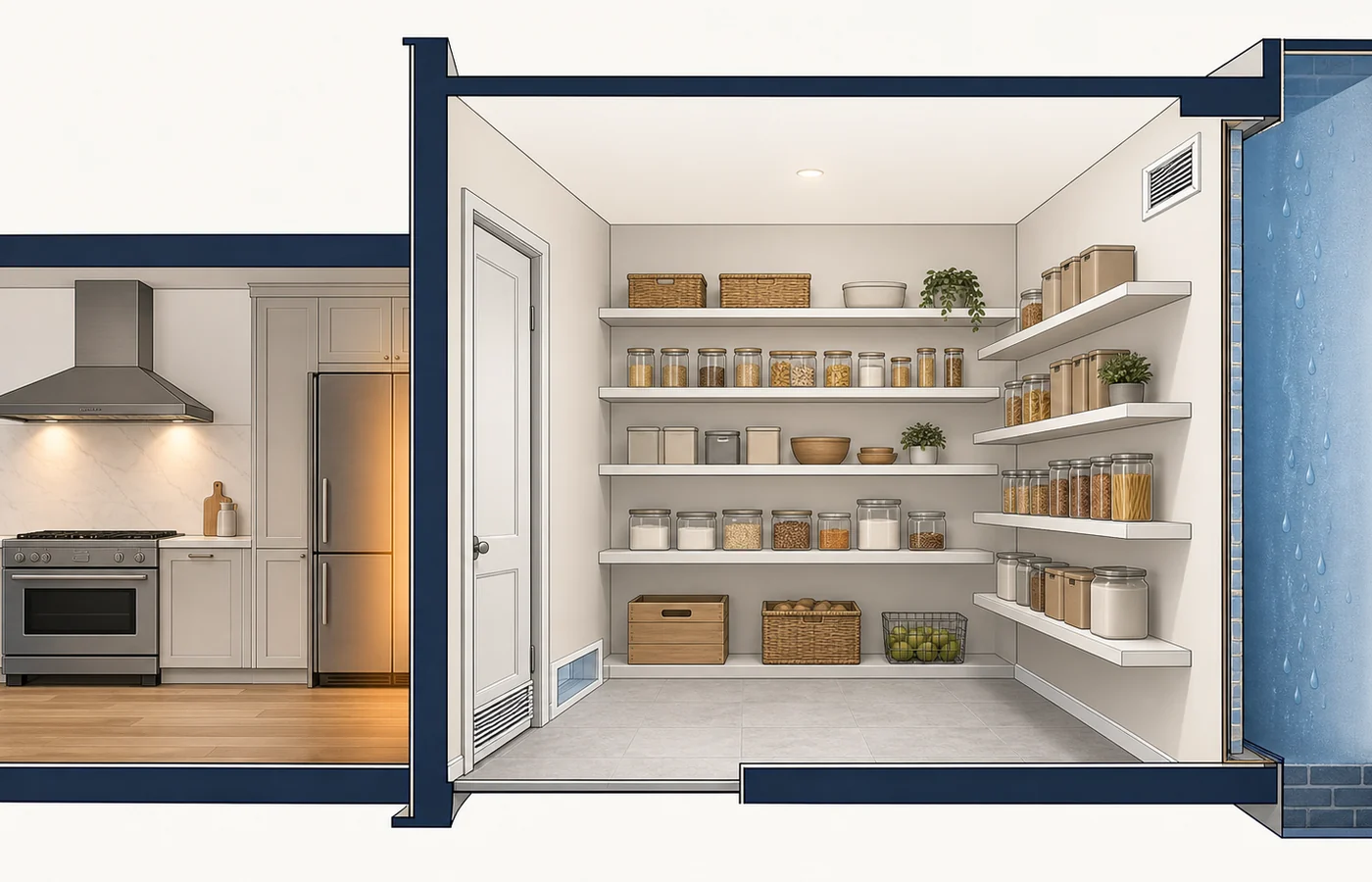
And let’s not forget the all-important storage factor. Carrots can be kept in the fridge for up to a month, while potatoes do best in a cool, dark place like a root cellar or pantry. Just make sure to inspect them regularly and remove any that are starting to sprout or go soft.
Ultimately, the greatest joy of growing your own root veggies is in the sharing, am I right? There’s nothing quite like gifting a basket of your homegrown bounty to friends and family, or even swapping with fellow gardeners in the neighborhood. It’s a beautiful way to connect with your community and spread the joy of homegrown goodness.
So there you have it, my fellow gardening enthusiasts – everything you need to know to create your very own root vegetable wonderland. From selecting the perfect spot to harvesting with delight, we’ve covered it all. Now get out there, get your hands dirty, and start growing those underground treasures. And who knows, maybe I’ll run into you at the local farmers market, swapping stories and recipes over a crate of fresh-picked carrots and potatoes. Bon appetit, my friends!
If you’re interested in learning more about our building and renovation services in Aberdeen, UK, be sure to check out our website at https://abc-home.co.uk/.