Unleashing the Verdant Potential in Your Backyard
Ah, the joys of summer – languid days, balmy evenings, and a yearning to sink our hands into the soil and nurture the bounty of nature. As a homeowner in Aberdeen, UK, I’ve discovered the sheer delight of cultivating a thriving salad garden that keeps my kitchen brimming with fresh, crisp greens all season long. Join me on this horticultural adventure as I share my tips, tricks, and personal experiences in creating a salad oasis you can enjoy from the comfort of your own backyard.
The Salad Seeker’s Dilemma: Battling Wilted Leaves and Sparse Harvests
Have you ever found yourself perusing the produce aisle, only to be met with limp, lifeless lettuce and a disappointing selection of greens? I certainly have, and it never fails to disappoint. The allure of a vibrant, homegrown salad garden is enough to make any food enthusiast’s heart skip a beat. But how does one navigate the challenges of growing a lush, bountiful salad garden in the sometimes-fickle climate of Aberdeen?
I’ll be the first to admit, my early forays into backyard gardening were met with a fair share of frustration. The wilted leaves, sparse harvests, and constant battle against pests and weather conditions nearly had me throwing in the trowel. But, like any worthwhile endeavor, I persevered, and through trial and error, I’ve uncovered a wealth of knowledge that I’m eager to share with you.
The Transformative Power of a Thriving Salad Garden
Picture this: stepping outside your door, basket in hand, and effortlessly plucking the freshest, crunchiest, most flavorful salad greens imaginable. The sense of accomplishment, the joy of nurturing something from seed to harvest, and the knowledge that you’re eating food that’s bursting with nutrients – it’s an experience that can truly transform your relationship with food.
But the benefits of a thriving salad garden extend far beyond the culinary realm. Gardening has been shown to have a profoundly positive impact on mental health, reducing stress, and fostering a deeper connection with the natural world. And let’s not forget the sheer pride and satisfaction of serving up a salad that you’ve grown yourself – it’s a feeling that never gets old.
Cultivating a Salad Garden: The Secrets to Success
So, how does one go about creating a salad garden that’s the envy of the neighborhood? It all starts with a solid foundation of knowledge and a willingness to experiment. In the sections that follow, I’ll share the essential tips and tricks I’ve learned along the way, covering everything from soil preparation to pest management to harvesting techniques.
Whether you’re a seasoned gardener or a complete novice, I’m confident that by the end of this article, you’ll have the confidence and know-how to transform your backyard into a verdant salad oasis that will keep you in fresh greens all summer long.
Laying the Groundwork: Selecting the Perfect Salad Garden Site
When it comes to cultivating a thriving salad garden, the first and perhaps most crucial step is selecting the perfect location. This decision will lay the foundation for your success, so it’s essential to give it the attention it deserves.
One of the primary considerations is sunlight exposure. Salad greens, like most leafy vegetables, thrive in full sun, requiring at least 6 hours of direct sunlight per day. In the temperate climate of Aberdeen, this can be a bit of a challenge, as we don’t always enjoy the same level of sun as our southern neighbors. However, with a bit of strategic planning, you can find the perfect spot that provides the necessary light conditions.
Another key factor to consider is the soil quality. Salad greens prefer a well-draining, nutrient-rich soil that’s slightly acidic, with a pH between 6.0 and 7.0. If your backyard soil is heavy, clay-like, or lacking in organic matter, don’t fret – there are plenty of ways to amend it to create the ideal growing medium.
Once you’ve identified the sunniest spot in your garden and assessed the soil conditions, it’s time to start planning the layout. Opt for a raised bed or a series of containers, as this will not only improve drainage but also make it easier to manage weeds and pests. And don’t forget to consider the proximity to your kitchen – the closer your salad garden, the more convenient it will be to harvest fresh greens whenever the craving strikes.
By carefully selecting the right location and preparing the soil, you’ll be well on your way to creating a salad garden that will thrive all summer long. So, let’s dive deeper into the specifics of soil preparation and raised bed construction, shall we?
Soil Preparation: Laying the Foundation for Success
The foundation of a thriving salad garden lies in the soil – it’s the lifeblood that nourishes your plants and allows them to reach their full potential. And in the temperate climate of Aberdeen, where we can experience a wide range of weather conditions, it’s crucial to ensure that your soil is properly prepared to withstand the challenges.
One of the first steps in soil preparation is to conduct a soil test. This simple task will reveal the pH level, nutrient composition, and any potential deficiencies in your garden’s soil. Armed with this information, you can then take targeted action to amend the soil and create the ideal growing environment for your salad greens.
If your soil is on the acidic side, you can add lime to raise the pH. Conversely, if it’s too alkaline, you can incorporate sulfur or other acidifying agents. And when it comes to nutrient levels, a well-balanced organic fertilizer or compost can work wonders in replenishing the essential vitamins and minerals your plants need to thrive.
But soil preparation isn’t just about adjusting the pH and nutrient levels – it’s also about improving the overall structure and drainage. Salad greens despise waterlogged soil, so it’s crucial to ensure that your garden bed drains well. This can be achieved by incorporating organic matter, such as well-rotted manure or compost, which will also improve soil fertility and water-holding capacity.
Once you’ve addressed the soil’s pH and nutrient levels, it’s time to tackle the physical structure. Salad greens thrive in a loose, friable soil that’s easy for their delicate roots to penetrate. You can achieve this by gently tilling or forking the soil, taking care not to compact it. And if you’re opting for a raised bed, be sure to fill it with a high-quality, well-draining potting mix or a custom soil blend.
By taking the time to properly prepare your soil, you’ll be setting your salad garden up for success from the very beginning. And trust me, the effort will be well worth it when you’re harvesting crisp, flavorful greens all summer long.
Raised Beds: The Secret to Thriving Salad Gardens
When it comes to cultivating a bountiful salad garden, raised beds can be a game-changer, especially in the sometimes-challenging climate of Aberdeen. These elevated growing structures offer a host of benefits that can help you overcome the various obstacles that come with gardening in our region.
One of the primary advantages of raised beds is their ability to improve soil drainage. As we discussed in the previous section, salad greens despise waterlogged conditions, and in the wet climate of Aberdeen, it can be a constant battle to keep the soil from becoming oversaturated. By raising the planting area above the surrounding ground, you can ensure that excess moisture drains away, keeping your plants’ roots healthy and happy.
Moreover, raised beds allow you to take complete control of the soil composition. Rather than trying to amend and improve the existing soil in your backyard, you can simply fill the bed with a custom-blended, nutrient-rich potting mix that’s tailored to the specific needs of your salad greens. This not only ensures optimal growing conditions but also eliminates the presence of pesky weeds and pests that can plague traditional in-ground gardens.
Another benefit of raised beds is their accessibility. By elevating the planting area, you can say goodbye to the constant bending and kneeling that can quickly take a toll on your back and knees. This makes gardening a more comfortable and enjoyable experience, especially for those of us with mobility challenges or joint issues.
But the advantages of raised beds don’t stop there. These compact, self-contained growing structures also allow for more efficient use of space, making them an ideal solution for small-to-medium-sized backyards. And with their neat, tidy appearance, raised beds can even enhance the overall aesthetic of your outdoor living area, turning your salad garden into a true focal point.
As you can see, the benefits of raised beds are numerous, and they can be particularly advantageous in the unique growing conditions of Aberdeen. So, if you’re ready to take your salad garden to the next level, I highly encourage you to consider incorporating these versatile structures into your design.
Salad Garden Planting: Cultivating a Lush, Diverse Bounty
Now that you’ve selected the perfect location and prepared the soil for your salad garden, it’s time to dive into the exciting world of plant selection and planting. This is where the true magic happens, as you transform a bare plot of land into a verdant oasis of fresh, flavorful greens.
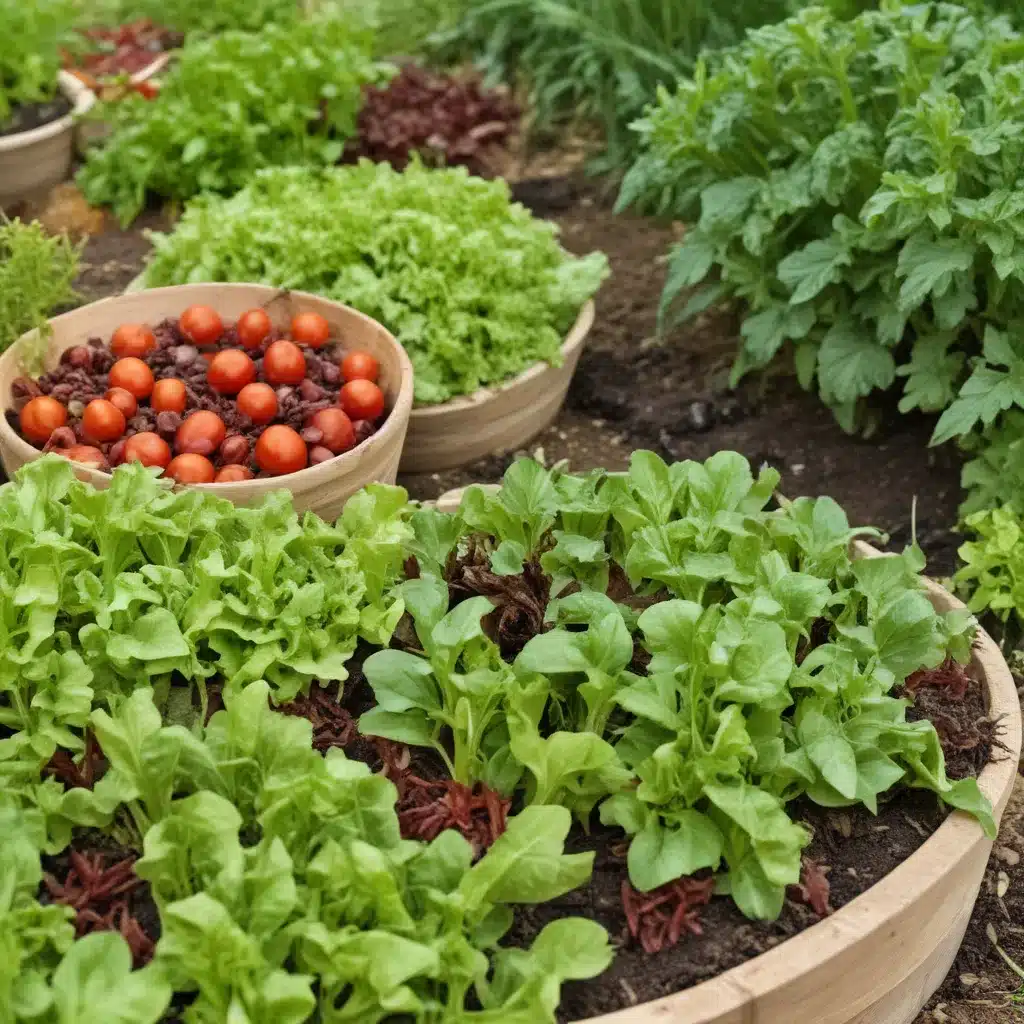
When it comes to choosing the right salad greens for your garden, the options are truly endless. From the classic lettuce varieties like romaine and butterhead to the more adventurous arugula, kale, and spinach, the possibilities are enough to make any salad lover’s heart skip a beat. And let’s not forget about the vibrant pops of color that can come from incorporating edible flowers, radishes, and cherry tomatoes into the mix.
One of the keys to a successful salad garden is to opt for a diverse array of plants, each with its unique growing requirements and flavour profiles. This not only ensures a steady, continuous harvest but also adds visual interest and variety to your salad bowl.
As you plan your planting, be sure to consider the various maturity rates of your chosen greens. Some, like arugula and baby spinach, can be harvested relatively quickly, while others, like romaine and kale, may take a bit longer to reach full size. By staggering your plantings, you can create a seamless succession of harvests throughout the growing season.
And when it comes to the actual planting process, it’s important to pay close attention to spacing and depth. Salad greens thrive when they have ample room to spread out, so be sure to follow the recommended spacing guidelines on your seed packets. And when it comes to depth, a general rule of thumb is to plant your seeds or transplants at a depth of about twice the size of the seed itself.
By carefully curating your salad garden’s plant palette and following best planting practices, you’ll be well on your way to cultivating a lush, diverse bounty that will keep your kitchen stocked with fresh greens all summer long.
Maintaining Your Salad Garden: Mastering the Art of Consistent Care
Ah, the joys of tending to a thriving salad garden – the gentle rustling of leaves, the earthy scent of freshly turned soil, and the satisfaction of watching your plants flourish with each passing day. But as any seasoned gardener knows, maintaining a productive salad garden requires a delicate balance of diligence, observation, and a touch of creative problem-solving.
One of the keys to consistent salad garden care is a well-designed watering routine. Salad greens are thirsty plants, requiring about an inch of water per week to stay hydrated and happy. In the temperate climate of Aberdeen, where rainfall can be unpredictable, it’s essential to establish a watering schedule that ensures your plants receive the moisture they need, without becoming waterlogged.
Another crucial aspect of salad garden maintenance is weed control. Those pesky interlopers can quickly overtake your precious greens, competing for precious nutrients and sunlight. But fear not – with a combination of vigilant hand-pulling, strategic mulching, and the occasional light cultivation, you can keep those weeds at bay and allow your salad plants to thrive.
And let’s not forget about the importance of regular harvesting. By snipping off the outer leaves of your salad greens, rather than cutting the entire plant at the base, you can encourage continued growth and extend the lifespan of your crops. This technique, known as “cut-and-come-again,” is a game-changer for ensuring a steady, bountiful harvest all summer long.
But maintaining a salad garden isn’t just about the practical tasks – it’s also about being attentive to the subtle signs of stress or disease. Keep a keen eye out for any discoloration, wilting, or suspicious pests, and be prepared to take swift action to address any issues that arise. A little bit of proactive problem-solving can go a long way in keeping your salad garden in tip-top shape.
And let’s not forget the importance of succession planting. By sowing new seeds or transplanting seedlings every few weeks, you can ensure a continuous supply of fresh greens, rather than having to rely on a single, finite harvest. This not only maximizes your garden’s productivity but also adds an element of excitement and anticipation as you eagerly await the arrival of each new crop.
By mastering the art of consistent salad garden care, you’ll be well on your way to enjoying a bountiful harvest all summer long. So, grab your trowel, don your gardening gloves, and let’s dive into the delightful world of salad garden maintenance – one leaf at a time.
Pest and Disease Management: Protecting Your Salad Garden’s Bounty
As any experienced gardener knows, the journey to a thriving salad garden is not without its challenges. Pests and diseases can be a constant source of frustration, threatening to undermine the hard work and dedication you’ve poured into your little plot of edible heaven. But fear not, my fellow salad enthusiasts – with a few strategic techniques and a bit of vigilance, you can keep those pesky interlopers at bay and enjoy a bountiful harvest all season long.
One of the first lines of defense in protecting your salad garden is a keen eye and a willingness to act quickly. regularly inspect your plants for any signs of distress, be it wilting leaves, unusual discoloration, or the presence of suspicious critters. By catching problems early, you’ll have a much better chance of nipping them in the bud before they can wreak havoc on your precious greens.
When it comes to dealing with common salad garden pests, a combination of physical barriers and natural, organic deterrents can be incredibly effective. For example, floating row covers or mesh netting can help keep aphids, cabbage worms, and other crawling or flying pests at bay, while companion planting with aromatic herbs like basil and marigolds can help confuse and repel unwanted visitors.
And let’s not forget the power of good old-fashioned handpicking. It may not be the most glamorous method, but carefully removing and disposing of any visible pests can go a long way in maintaining the health and vitality of your salad plants.
But pests aren’t the only foes you’ll have to contend with in your salad garden – disease-causing pathogens can also wreak havoc if left unchecked. From fungal infections like powdery mildew to bacterial blights, the list of potential plant diseases can be enough to make even the most seasoned gardener’s head spin.
Fortunately, there are several proactive steps you can take to minimize the risk of disease in your salad garden. Ensuring proper air circulation, maintaining optimal soil moisture, and avoiding overhead watering can all help create an environment that’s less hospitable to disease-causing organisms. And in the event that you do encounter a persistent problem, don’t hesitate to consult with your local garden center or extension office for guidance on safe, organic treatment options.
By staying vigilant, employing a diverse array of pest and disease management strategies, and responding quickly to any issues that arise, you can keep your salad garden thriving and your harvest bountiful all season long. After all, there’s nothing quite like the satisfaction of enjoying a salad that’s 100% homegrown and free from unwanted pests and diseases.
Harvesting and Enjoying Your Salad Garden’s Bounty
Ah, the moment we’ve all been waiting for – the time to reap the rewards of our salad garden labors and savor the fruits (or, in this case, the greens) of our hard-earned efforts. As the sun-dappled leaves sway gently in the summer breeze, it’s time to step outside, basket in hand, and embark on the delightful task of harvesting our homegrown salad greens.
But the joy of a thriving salad garden doesn’t end with the harvest – it’s in the countless ways we can incorporate those fresh, vibrant greens into our culinary creations. From simple, classic salads to unexpected flavor combinations, the possibilities are truly endless.
One of the keys to maximizing the harvest from your salad garden is to employ the “cut-and-come-again” technique. Rather than cutting the entire plant at the base, gently snip off the outer leaves, leaving the inner ones to continue growing. This not only extends the life of your crops but also ensures a steady, continuous supply of fresh greens all season long.
And when it comes to storage, proper handling and preservation are essential for maintaining the quality and freshness of your homegrown salad bounty. Gently rinse your freshly harvested leaves, pat them dry, and store them in an airtight container or resealable bag in the refrigerator. With a little care, your salad greens can stay crisp and flavorful for several days, allowing