Discovering the Art of Focal Points
As a lifelong gardener and design enthusiast, I’ve always been captivated by the power of focal points in garden design. These strategic elements have the ability to transform a ho-hum outdoor space into a visually captivating oasis, drawing the eye and guiding the viewer on an engaging journey through the landscape.
You know the feeling – you walk into a beautifully curated garden, and your gaze is immediately drawn to a stunning feature that seems to radiate an almost magnetic allure. Perhaps it’s a towering specimen tree, a whimsical water fountain, or an intricately designed pergola. Whatever it may be, a well-placed focal point has the power to elevate the entire garden experience.
As the owner of ABC Home, a building and renovation company in Aberdeen, UK, I’ve had the privilege of collaborating with countless clients to bring their garden visions to life. Through these collaborations, I’ve gained a deep appreciation for the transformative potential of focal points. In this article, I’ll share my insights on how to harness this design tool to create truly breathtaking outdoor spaces.
Understanding the Role of Focal Points
Focal points serve a crucial purpose in garden design – they’re the elements that immediately capture the viewer’s attention and guide their gaze through the landscape. They act as visual anchors, drawing the eye and creating a sense of hierarchy within the overall composition.
But the power of focal points extends far beyond mere aesthetics. Strategically placed features can also serve functional purposes, such as framing a view, directing traffic flow, or creating a sense of arrival or departure. By carefully considering the placement and purpose of your focal points, you can elevate the entire garden experience for both you and your guests.
One of the most fascinating aspects of focal points is their ability to create a sense of mystery and intrigue. Imagine a garden where a tantalizing glimpse of a water feature or a partially obscured sculpture beckons the viewer to explore further. This element of surprise and discovery can add a delightful layer of engagement to the overall design.
Identifying Potential Focal Points
When it comes to selecting focal points for your garden, the possibilities are truly endless. From architectural structures to natural elements, there’s a wealth of options to choose from. Let’s dive in and explore some of the most popular and impactful focal point choices:
Architectural Features
Structures like pergolas, arbors, and gazebos can serve as stunning focal points, adding a touch of elegance and drama to the garden. These elements can be further enhanced with climbing vines, intricate woodwork, or whimsical lighting fixtures.
Water Features
The alluring sound and visual appeal of water features make them perennial favorites for garden focal points. From serene koi ponds to cascading waterfalls, these elements have the power to captivate and soothe the senses.
Sculptures and Statues
Carefully curated sculptures and statues can infuse a garden with a sense of personality and sophistication. Whether it’s a bold, modern piece or a timeless, classical figure, these focal points can spark the viewer’s imagination and create a sense of wonder.
Specimen Trees and Plants
Towering trees, unique plant specimens, or artfully pruned shrubs can all serve as striking focal points, drawing the eye upward and creating a sense of depth and drama in the landscape.
Entry Points
The entry to your garden can be an ideal location for a focal point, setting the tone for the entire experience. This could be a grand archway, an ornamental gate, or even a particularly striking planting scheme.
Arranging Focal Points for Maximum Impact
Now that we’ve explored some of the most popular focal point options, let’s dive into the art of arranging them for maximum impact. This is where the real magic happens, as the strategic placement of these elements can transform a garden from ordinary to extraordinary.
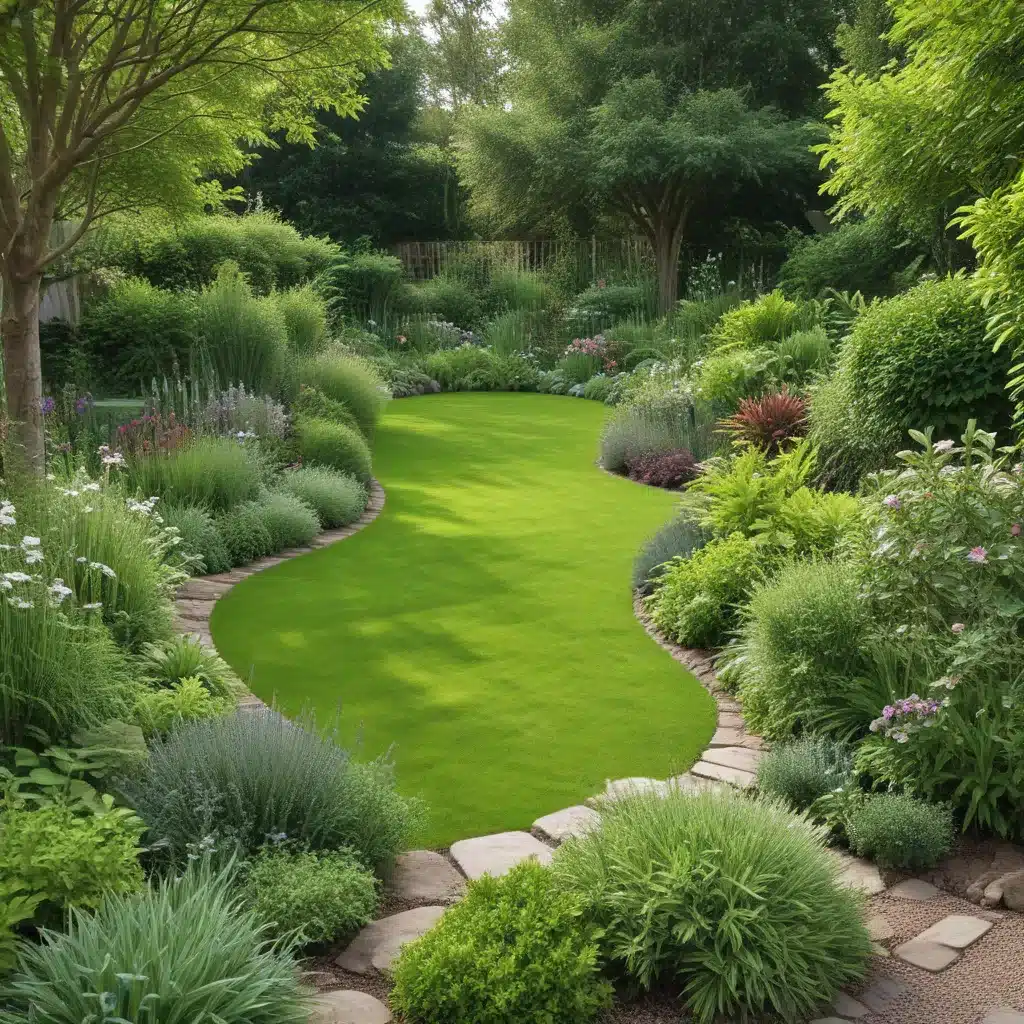
One of the key principles to keep in mind is the concept of visual hierarchy. Focal points should be positioned in a way that immediately draws the eye, while secondary elements serve to support and enhance the primary feature. This could mean placing a towering specimen tree at the end of a winding path, or positioning a whimsical water fountain as the centerpiece of a symmetrical garden design.
It’s also essential to consider the overall flow and movement of the garden. Focal points can be used to guide the viewer’s gaze, creating a sense of exploration and discovery. Imagine a series of strategically placed sculptures or water features that lead the eye on an engaging journey through the landscape.
And let’s not forget the importance of balance and proportion. Focal points should be sized and scaled appropriately to the overall garden size and design. A massive, oversized feature in a small, intimate space can feel overwhelming, while a diminutive element in a grand, expansive setting may be lost altogether.
Mastering the Art of Supporting Elements
While focal points undoubtedly serve as the main stars of the garden, the supporting cast of complementary elements is equally crucial. These supporting players work in harmony to enhance the impact and allure of the primary focal points, creating a cohesive, visually stunning design.
One of the most important supporting elements is the use of plant material. Carefully selected and arranged plantings can frame, accent, and even partially obscure focal points, adding depth, texture, and visual interest to the overall composition. Imagine a striking sculpture nestled within a lush, verdant planting scheme, or a serene water feature surrounded by a tapestry of vibrant blooms.
Hardscaping elements like paths, walls, and terraces can also play a vital role in supporting focal points. These structures can be used to direct the viewer’s gaze, create a sense of arrival, or even provide a dramatic backdrop for the main feature.
Lighting, too, is a powerful tool in the garden designer’s arsenal. Strategic placement of mood lighting, path lighting, or spotlights can dramatically enhance the impact of focal points, particularly in the evening hours when the garden takes on a whole new allure.
Incorporating Focal Points into Your Garden Design
Now that we’ve explored the fascinating world of focal points, it’s time to put these principles into practice. As you embark on your own garden design journey, whether through a renovation project or a brand-new creation, keep these key considerations in mind:
-
Identify Your Priorities: What are the primary functions and aesthetic goals for your garden? Knowing this will help you determine the most impactful focal points to include.
-
Assess Your Existing Conditions: Take a close look at the layout, scale, and existing features of your garden. This will inform the best placement and scale for your focal points.
-
Experiment with Placement: Don’t be afraid to play around with different focal point locations and arrangements. Sketch out ideas, create 3D models, or even use temporary markers to test various configurations.
-
Embrace Diversity: Incorporate a variety of focal point types – architectural elements, water features, sculptures, and plant specimens – to create a truly engaging and visually captivating garden.
-
Don’t Forget the Details: Carefully consider the supporting elements, such as plantings, hardscaping, and lighting, to ensure your focal points shine.
-
Be Willing to Evolve: Garden design is an ongoing process, and your focal points may need to evolve over time as your space and needs change.
Remember, the true magic of garden design lies in the journey, not just the destination. By mastering the art of focal points, you’ll unlock a world of possibilities, creating outdoor spaces that captivate, delight, and inspire.
So, what are you waiting for? Start exploring the endless potential of focal points and let your garden shine! And if you need any assistance with your building or renovation projects, be sure to check out ABC Home – we’d be more than happy to help bring your vision to life.