Uncovering the Secrets of Accessible Home Renovation
As a homeowner in Aberdeen, UK, I’ve always been fascinated by the concept of universal design – the idea that our living spaces should be accessible and usable by people of all ages and abilities. When I decided to tackle a major renovation project on my own home, I knew that incorporating universal design principles would be a top priority.
But where do you even begin when it comes to researching and implementing these design features? It can feel a bit overwhelming, like navigating a labyrinth of building codes, ergonomics, and competing priorities. Never fear, though – I’m here to share my journey of discovery, complete with all the twists, turns, and “aha!” moments along the way.
Diving into the Fundamentals of Universal Design
I started my research by trying to really understand the core principles of universal design. What is it, exactly, and why is it so important? As it turns out, the concept is all about creating environments that are usable by everyone, to the greatest extent possible, without the need for adaptation or specialized design.
The seven key principles of universal design, as outlined by the Center for Universal Design, are:
- Equitable Use – The design is useful and marketable to people with diverse abilities.
- Flexibility in Use – The design accommodates a wide range of individual preferences and abilities.
- Simple and Intuitive Use – Use of the design is easy to understand, regardless of the user’s experience, knowledge, language skills, or current concentration level.
- Perceptible Information – The design communicates necessary information effectively to the user, regardless of ambient conditions or the user’s sensory abilities.
- Tolerance for Error – The design minimizes hazards and the adverse consequences of accidental or unintended actions.
- Low Physical Effort – The design can be used efficiently and comfortably with a minimum of fatigue.
- Size and Space for Approach and Use – Appropriate size and space is provided for approach, reach, manipulation, and use, regardless of the user’s body size, posture, or mobility.
As I delved deeper into these principles, I started to see how they could be applied to every aspect of a home renovation – from the layout and flow of the space, to the choice of materials and finishes, all the way down to the smallest hardware and fixtures. It was an eye-opening experience, and I couldn’t wait to start putting these ideas into practice.
Exploring the Practical Applications of Universal Design
Once I had a solid grasp on the fundamentals, I turned my attention to the more practical side of things. What does universal design actually look like in a real-world home renovation project? To find out, I decided to do some in-depth research on specific design features and how they could be incorporated into my own renovation plans.
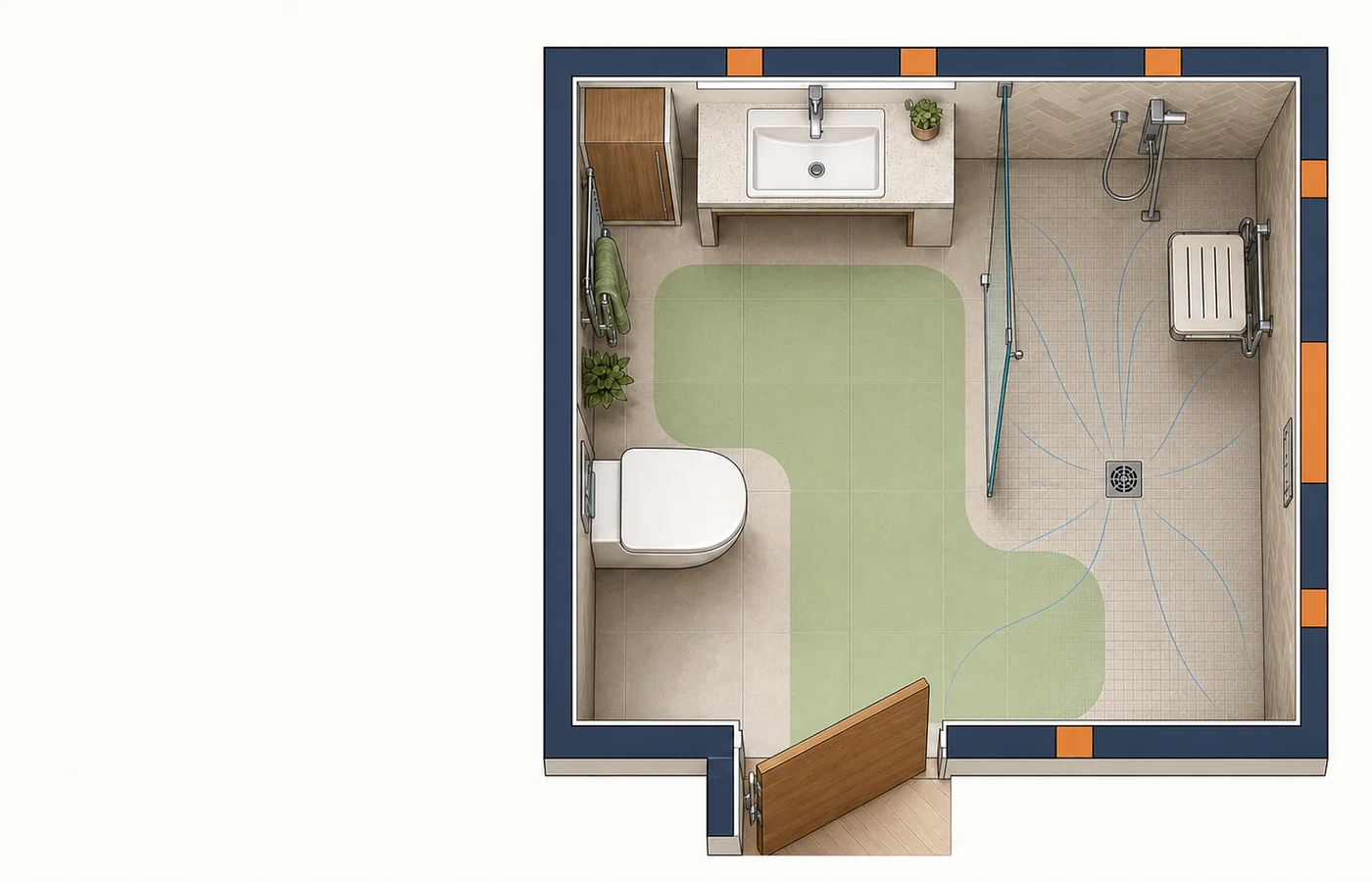
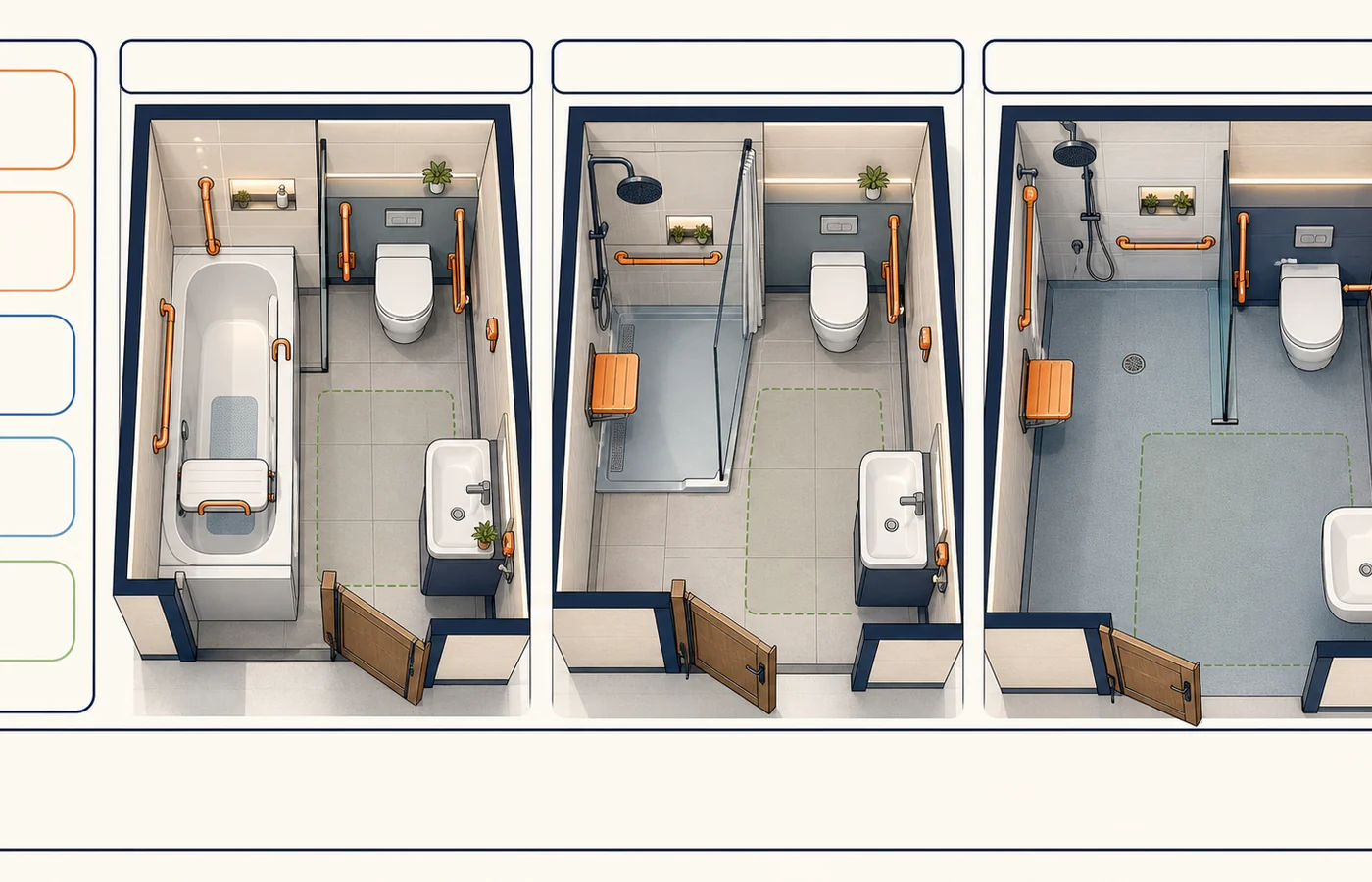
One of the first areas I focused on was accessibility – specifically, how to ensure that people of all mobility levels could move through the space with ease. This meant looking at things like wide doorways, level thresholds, and strategically placed grab bars. I also explored the idea of an open floor plan, which can create a more seamless flow and reduce potential obstacles.
Another key consideration was lighting. Proper lighting not only makes a space more functional, but it can also enhance safety and usability for people with vision impairments. I discovered the importance of task lighting, ambient lighting, and even the use of contrasting colors to highlight edges and changes in elevation.
And of course, I couldn’t overlook the kitchen and bathroom – two of the most high-traffic areas in any home. Here, I delved into design features like adjustable-height countertops, lever-style faucets, and curbless showers. I was amazed to see how these simple modifications could make such a big difference in the overall accessibility and user-friendliness of the space.
Incorporating Universal Design into My Renovation Plan
With all of this new knowledge under my belt, I felt ready to start putting together a comprehensive renovation plan for my home. I knew that incorporating universal design principles would be a crucial part of the process, so I made sure to weave them throughout every aspect of the project.
One of the first things I did was work closely with my architect to ensure that the overall layout and floor plan were as accessible as possible. This meant widening hallways, eliminating unnecessary steps and level changes, and strategically placing key features like the kitchen, bathrooms, and primary living areas.
I also paid close attention to the selection of materials and finishes, prioritizing options that would be durable, easy to maintain, and visually contrasting. For example, I opted for slip-resistant flooring with a matte finish, and I used bold, high-contrast colors to delineate different zones within the space.
When it came to the finer details, I made sure to incorporate plenty of universal design features – things like lever-style door handles, adjustable-height shelving, and task lighting under cabinets. I even explored the idea of smart home technology, which can provide an extra layer of convenience and control for people with varying abilities.
Throughout the entire renovation process, I found myself constantly referring back to those seven core principles of universal design. It was like having a guiding light, helping me to make informed decisions and stay focused on creating a truly inclusive, accessible space.
Discovering the Benefits of Universal Design
As the renovation progressed and the new features began to take shape, I couldn’t help but feel a growing sense of excitement and satisfaction. Not only was I creating a beautiful, functional home for myself, but I was also building something that could potentially benefit a wide range of people – from aging family members to guests with mobility challenges.
One of the most rewarding moments came when I invited my elderly neighbor over to take a look at the nearly completed project. As she slowly made her way through the space, I watched her face light up with delight. “This is amazing!” she exclaimed. “I feel so comfortable and at home here. You’ve really thought of everything.”
Hearing those words was a powerful reminder of why universal design is so important. It’s not just about ticking boxes or meeting building codes – it’s about creating spaces that truly empower and enrich the lives of the people who use them. And that, to me, is the ultimate goal.
As I put the finishing touches on my renovation and prepare to move back in, I can’t help but feel a deep sense of pride and accomplishment. Not only have I transformed my house into a beautiful, modern home, but I’ve also created a space that is accessible, inclusive, and adaptable to the changing needs of its inhabitants. It’s a testament to the power of universal design, and a reflection of my own commitment to creating a more inclusive world.
So, if you’re embarking on your own home renovation journey, I encourage you to embrace the principles of universal design. It may take a bit more planning and consideration upfront, but the payoff in terms of comfort, safety, and overall quality of life is truly invaluable. Who knows – you might even discover a whole new world of design possibilities that you never knew existed!