Stairway Safety: The Unsung Hero of Your Home
Picture this: you’re rushing down the stairs, juggling a tower of laundry, a hot cup of coffee, and your phone – only to find yourself tumbling end over end. Suddenly, you’re lying at the bottom, nursing a bruised ego and a sprained ankle. Sound familiar? Unfortunately, stair-related accidents are more common than you might think.
As someone who’s spent years working in the building and renovation industry in Aberdeen, I’ve seen my fair share of stairway mishaps. But you know what they say – an ounce of prevention is worth a pound of cure. That’s why I’m here to share my top tips for creating a safer, more secure stairway in your home.
Lighting the Way: Illuminating Your Staircase
Let’s start with one of the most crucial elements of stair safety – proper lighting. Inadequate lighting is a recipe for disaster, as it can make it difficult to see each step clearly, increasing the risk of trips and falls.
I always recommend installing bright, energy-efficient LED lighting along the length of the staircase. This can include recessed lighting in the ceiling, as well as strategically placed wall sconces or pendant lights. And don’t forget to consider motion-activated sensors – they can be a game-changer, ensuring your stairway is always well-lit when you need it.
But it’s not just about the lighting itself – the quality of the light is also important. Opt for bulbs with a color temperature of 3000K or 4000K, as these provide a warm, natural glow that’s easier on the eyes. Avoid harsh, blue-tinted lighting, as it can be disorienting and create unflattering shadows.
And don’t forget the importance of natural light! If your staircase is situated near a window, consider adding sheer curtains or blinds that can be easily adjusted to let in the right amount of daylight. This can help reduce the need for artificial lighting during the day and create a more inviting, open feel.
Tread Carefully: Choosing the Right Stair Treads
Now that we’ve got the lighting sorted, let’s talk about the surface of your stairs. The right choice of stair treads can make a significant difference in terms of safety and slip resistance.
I generally recommend opting for textured or non-slip materials, such as natural stone, hardwood with a clear finish, or even specialty stair treads with built-in grip. Avoid smooth, glossy surfaces, as they can become dangerously slippery when wet or in socks.
And don’t forget the importance of the tread depth and height. The optimal tread depth is around 11 inches, with a riser height of no more than 7 inches. This combination creates a comfortable, easy-to-navigate staircase that reduces the risk of trips and falls.
If you’re working with an existing staircase that doesn’t quite meet these guidelines, consider adding stair nosings or retro-fitting the treads with a non-slip surface. It’s a simple, cost-effective way to enhance safety without the need for a complete overhaul.
Handrails: Your Stairway’s Trusty Sidekick
No discussion of stair safety would be complete without talking about handrails. These unsung heroes are often the only thing standing between you and a potentially nasty tumble.
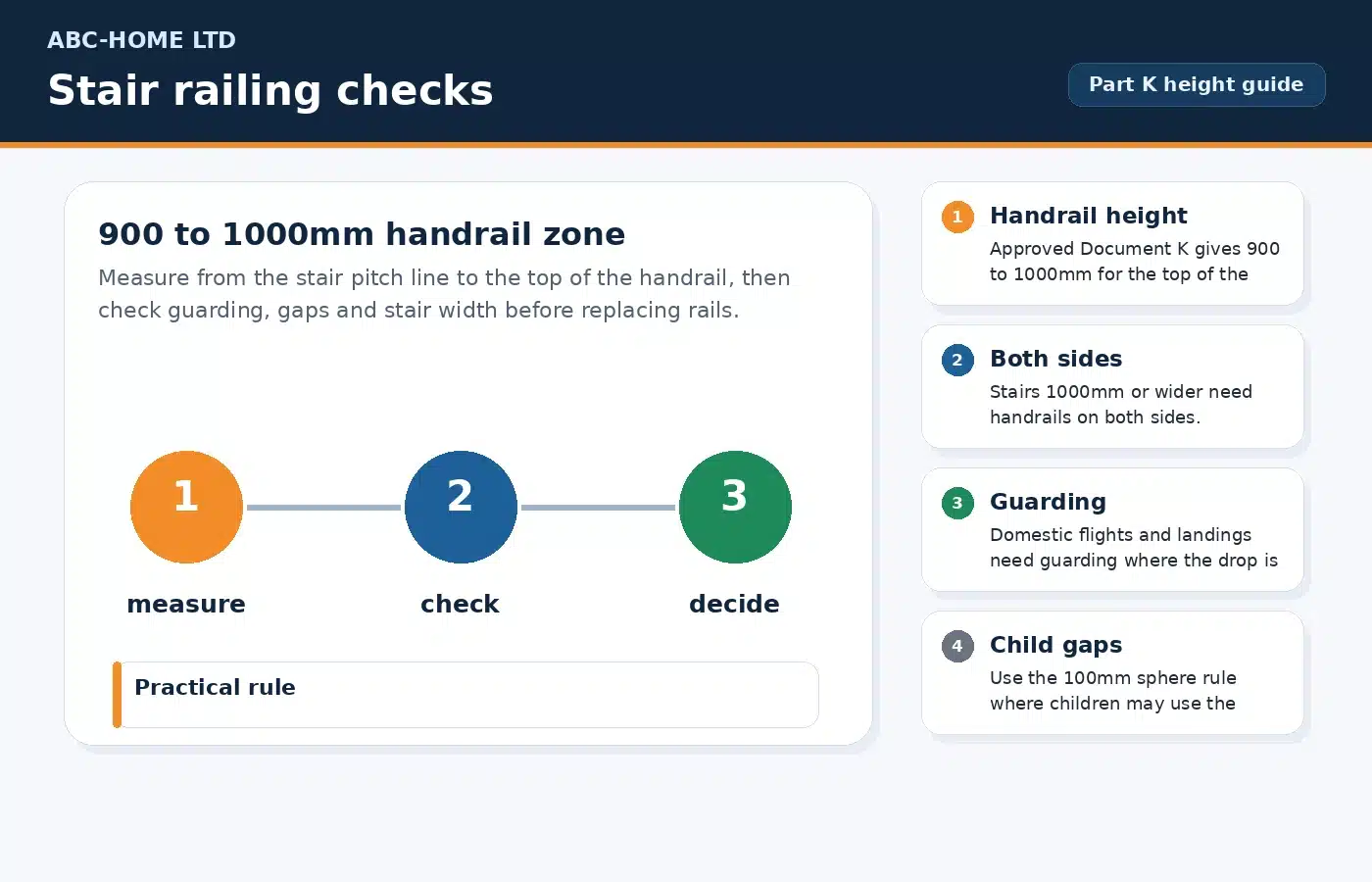
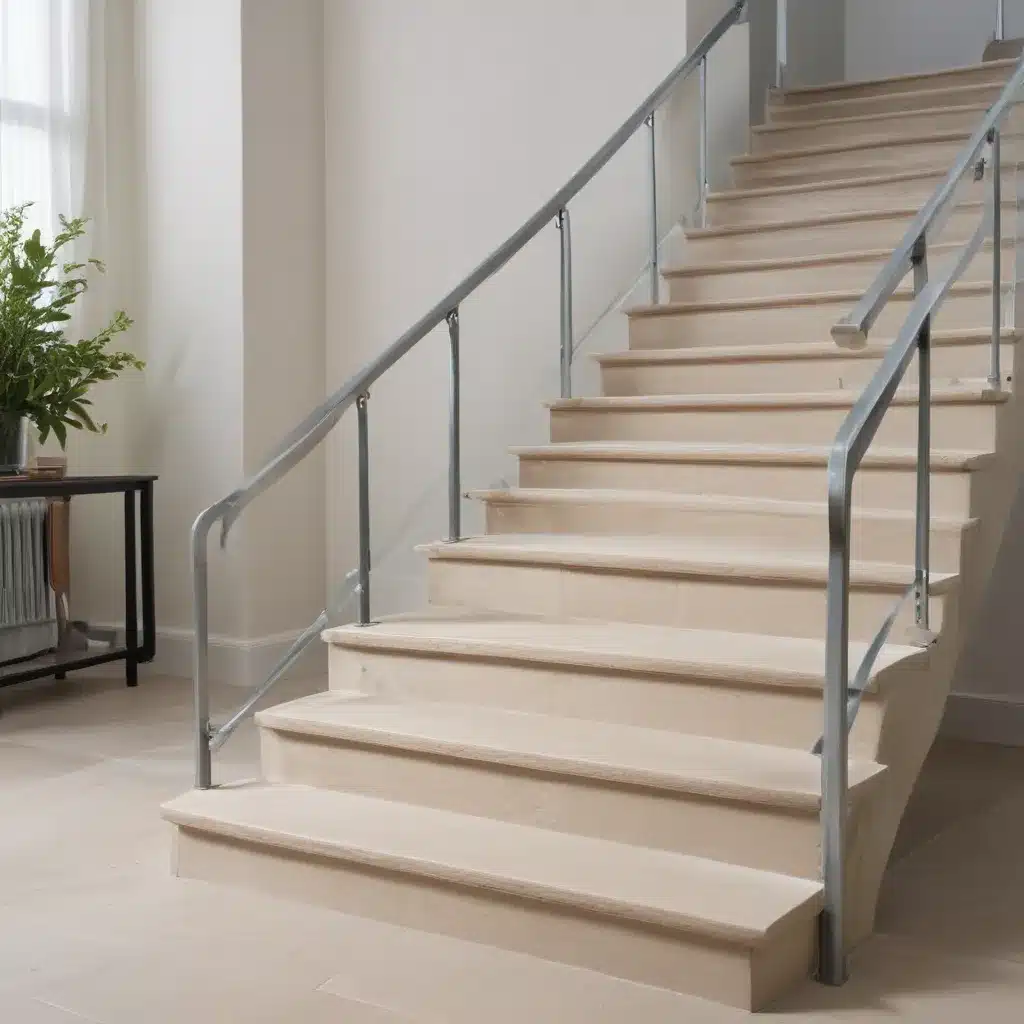
I always recommend installing sturdy, well-secured handrails on both sides of the staircase, if possible. This provides a reliable point of contact for anyone using the stairs, offering stability and support. And don’t forget to pay attention to the height – the top of the handrail should be between 34 and 38 inches above the stair tread.
But it’s not just about the physical presence of the handrail – the material and design also play a crucial role. Look for options with a smooth, continuous surface that’s easy to grasp, such as solid wood or metal. Avoid anything too thin or slippery, as it can be difficult to maintain a secure grip.
And if you’ve got young children in the house, consider adding a secondary, lower handrail to provide an extra layer of protection. This can be a lifesaver for little hands and feet that are still getting the hang of navigating the stairs.
Obstacles Be Gone: Clearing the Path
Now that we’ve covered the basics of stair safety, let’s talk about something a little less glamorous – clutter. That’s right, the piles of shoes, toys, and random belongings that tend to accumulate at the base of the stairs can be a serious hazard.
I can’t tell you how many times I’ve seen someone take a tumble simply because they tripped over a wayward item. It’s a surefire way to end up with a trip to the emergency room and a long, painful recovery process.
That’s why I always recommend keeping your stairwell clear and unobstructed at all times. Designate a designated spot for shoes and other belongings, and make a habit of regularly tidying up the area. This simple step can go a long way in reducing the risk of tripping and falling.
And while we’re on the subject of clutter, let’s not forget about the importance of maintaining a clear line of sight. Avoid placing tall or bulky items on the landing or along the sides of the stairs, as they can block your view and create unexpected obstacles.
Childproofing: Protecting Your Little Ones
As a parent myself, I know firsthand how challenging it can be to keep little ones safe on the stairs. Those curious, adventurous minds and wobbly legs can be a recipe for disaster if you’re not proactive.
That’s why I always recommend implementing a comprehensive childproofing strategy for your staircase. This can include everything from sturdy safety gates at the top and bottom of the stairs to non-slip treads and handrail covers to prevent little fingers from getting pinched.
And don’t forget about the importance of supervision. It’s crucial to never leave young children unattended near the stairs, as they can quickly find themselves in a precarious situation. Teach them the importance of holding the handrail and taking each step one at a time, and consider setting up a reward system to reinforce safe behavior.
Maintenance Matters: Keeping Your Stairs in Tip-Top Shape
Last but not least, let’s talk about the importance of regular maintenance. Just like any other part of your home, your staircase needs a little TLC to keep it in peak condition and ensure its safety.
This can include things like:
- Regularly inspecting the handrails, treads, and other components for any signs of wear or damage
- Tightening loose screws or replacing worn-out parts as needed
- Cleaning the stairs thoroughly to remove any debris or slippery substances
- Addressing any cracks, chips, or uneven surfaces in a timely manner
By staying on top of these maintenance tasks, you can help prevent small issues from turning into bigger, more dangerous problems down the line. And let’s be honest – no one wants to be the one who has to explain to their guests why they just took a tumble on their way up to the second floor.
Wrapping It Up: Your Stairway to Safety
So there you have it – my top tips for creating a safer, more secure stairway in your home. From proper lighting and slip-resistant treads to strategic childproofing and diligent maintenance, there are countless ways to ensure your stairs are a haven of safety and stability.
Remember, when it comes to stair safety, there’s no such thing as being too cautious. It’s all about taking a proactive, multifaceted approach to protect yourself, your family, and your guests from potential accidents and injuries.
And who knows – with a little bit of effort and creativity, you might just end up with a staircase that’s not only functional, but a true architectural showpiece. So why not get started on your stairway safety journey today? Your future self (and your insurance provider) will thank you.
If you’re in the Aberdeen area and are looking for a team of experienced building and renovation professionals to help you create a safer, more beautiful staircase, be sure to check out ABC Home. We’d be more than happy to lend our expertise and guide you through the process from start to finish.