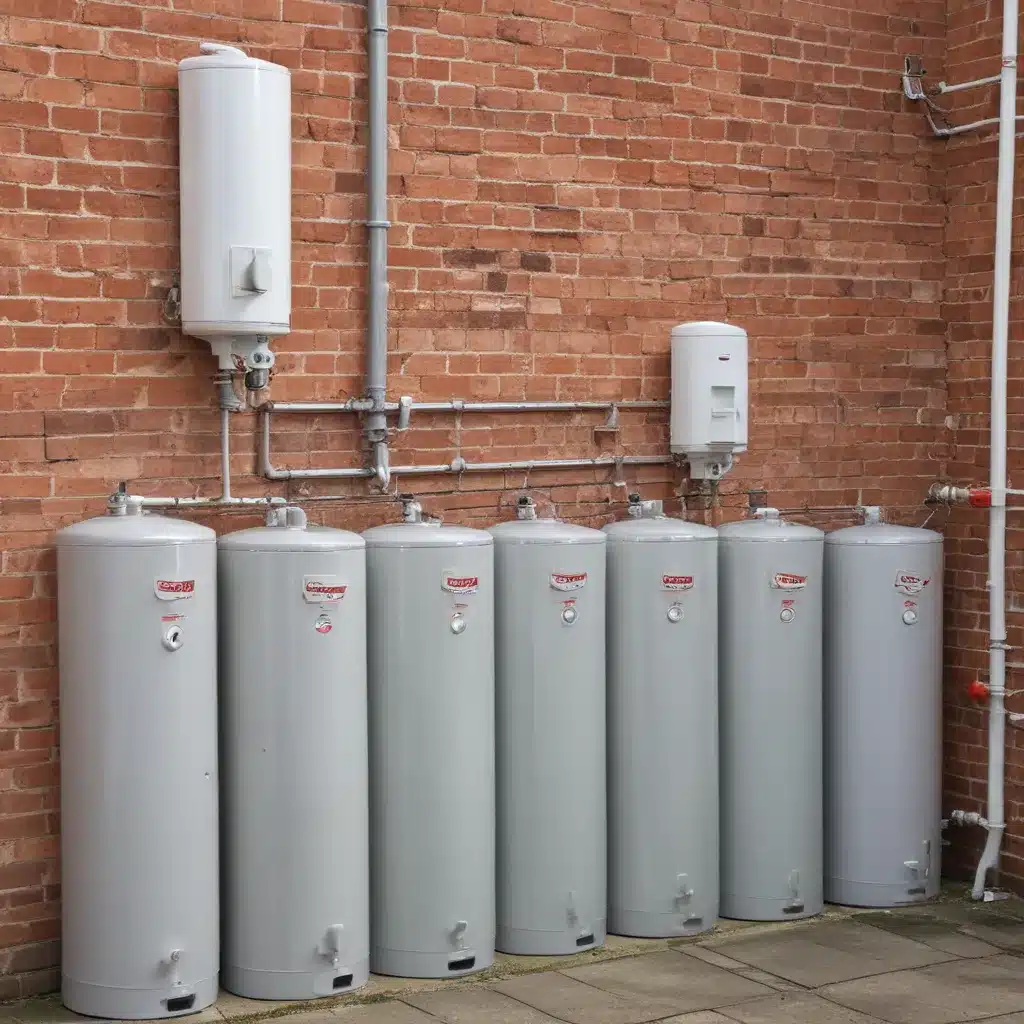
Navigating the Murky Waters of Unvented Cylinders
As the owner of a bustling building and renovation company in Aberdeen, I’ve seen my fair share of hot water cylinder mishaps. From burst pipes to leaky valves, it’s a minefield out there for homeowners looking to upgrade their hot water systems. But today, I want to dive into a particularly tricky topic: unvented hot water cylinders.
You see, these little guys are a bit like the black sheep of the plumbing world. They may seem like a straightforward solution, but trust me, there’s a lot more to them than meets the eye. And if you don’t know what you’re doing, you could find yourself in a whole heap of legal trouble.
So, let’s put on our hard hats and dive right in, shall we? In this article, we’ll explore the ins and outs of unvented hot water cylinders, from the legal requirements to the potential pitfalls. Whether you’re a seasoned DIYer or a homeowner just dipping their toes into the world of home renovations, this guide will equip you with the knowledge you need to stay on the right side of the law.
Understanding Unvented Hot Water Cylinders
Okay, let’s start with the basics. An unvented hot water cylinder, also known as an indirect hot water cylinder, is a type of water heater that doesn’t rely on a cold water storage tank or a header tank. Instead, it uses the mains water supply directly, with a built-in expansion vessel to accommodate the increased volume as the water heats up.
Now, you might be thinking, “Sounds easy enough, what’s the big deal?” Well, my friend, the big deal is that unvented hot water cylinders are subject to a whole host of legal requirements and safety regulations. You see, these systems operate at much higher pressures than their vented counterparts, which means they pose a greater risk of explosion or other catastrophic failures.
And that’s where the legal stuff comes in. In the UK, the installation and maintenance of unvented hot water cylinders is governed by the Building Regulations, specifically Part G3. This means that any work on these systems must be carried out by a qualified professional, and the system itself must meet certain safety and performance standards.
Navigating the Legal Landscape
Alright, now that we’ve got the basics out of the way, let’s dive a little deeper into the legal requirements. As I mentioned, Part G3 of the Building Regulations is the key piece of legislation you need to be aware of when it comes to unvented hot water cylinders.
The regulations stipulate that the installation of an unvented hot water system must be carried out by a “competent person” – that is, someone who has received the appropriate training and is registered with a recognized scheme, such as UKAS or CIPHE. This person is responsible for ensuring that the system is installed correctly and meets all the necessary safety and performance standards.
But it’s not just the installation that’s regulated. The ongoing maintenance and servicing of the system is also subject to legal requirements. Homeowners are required to have their unvented hot water cylinder serviced and inspected on an annual basis by a qualified professional. Failure to do so could result in hefty fines or even legal action.
Now, I know what you’re thinking – “But I’m just a humble homeowner, not a plumbing expert! How am I supposed to keep track of all these rules and regulations?”
Well, fear not, my friends. That’s where we come in. As your local building and renovation specialists, we’re well-versed in the ins and outs of unvented hot water cylinders, and we’re here to help you navigate the legal landscape with ease.
The Dangers of Going Rogue
Look, I get it. The thought of having to hire a professional for every little job around the house can be enough to make even the most seasoned DIYer throw in the towel. And when it comes to something as seemingly straightforward as a hot water cylinder, it can be tempting to try and tackle the job yourself.
But let me tell you, that’s a recipe for disaster when it comes to unvented systems. You see, these bad boys are like ticking time bombs if they’re not installed and maintained properly. We’re talking about pressures of up to 6 bar – that’s nearly 90 psi! Imagine what could happen if a faulty valve or a weakened tank gave way.
The consequences of cutting corners can be truly devastating. We’re talking about the potential for catastrophic explosions, extensive water damage, and even serious injury or loss of life. And let’s not forget the legal ramifications – if something goes wrong and it’s discovered that the work wasn’t carried out by a qualified professional, you could be facing hefty fines or even criminal charges.
It’s just not worth the risk, folks. Trust me, I’ve seen the aftermath of DIY unvented cylinder disasters, and it ain’t pretty. So, if you’re thinking about upgrading your hot water system, do yourself a favor and call in the professionals. Your bank balance (and your personal safety) will thank you in the long run.
Choosing the Right Contractor
Alright, so you’ve decided to play it safe and hire a professional to handle your unvented hot water cylinder. But how do you know you’re choosing the right person for the job?
Well, first and foremost, you’ll want to make sure they’re a qualified and registered installer. As I mentioned earlier, the work must be carried out by a “competent person” – someone who has the necessary training and certification to ensure the job is done to the highest safety standards.
Look for contractors who are registered with a recognized scheme, like UKAS or CIPHE. These organizations provide comprehensive training and ongoing support to ensure their members are up-to-date on the latest regulations and best practices.
But it’s not just about qualifications – you’ll also want to consider the contractor’s experience and reputation. Ask for references from previous clients, and take a look at their online reviews to get a sense of the quality of their work and customer service.
And don’t be afraid to ask plenty of questions! A reputable contractor should be more than happy to walk you through the process, explain the legal requirements, and address any concerns you might have. After all, they’re the experts, and they should be able to put your mind at ease.
Remember, when it comes to something as important as your home’s hot water system, you can’t afford to take any chances. So, take the time to do your research and find the right contractor for the job. Your wallet and your peace of mind will thank you in the long run.
Maintaining Your Unvented Hot Water Cylinder
Alright, so you’ve got your unvented hot water cylinder installed by a qualified professional, and you’re all set, right? Not so fast, my friends.
You see, the legal requirements don’t stop at the installation – you’ve also got to keep up with the ongoing maintenance and servicing of your system. And I’m not just talking about the occasional quick fix or spot of troubleshooting. No, we’re talking about a full-blown, comprehensive annual inspection by a qualified professional.
Now, I know what you’re thinking – “But I just had it installed, why do I need to start worrying about maintenance already?” Well, my dear reader, the simple truth is that these unvented systems are complex beasts, and they require a lot of TLC to keep them running smoothly and safely.
Think about it – your hot water cylinder is operating under some serious pressure, and it’s got a whole host of valves, seals, and other components that can wear down over time. If you don’t stay on top of the maintenance, you could be looking at some major (and potentially dangerous) issues down the line.
So, what does this annual maintenance entail, you ask? Well, the qualified professional will typically take a look at the following:
| Component | Inspection |
|---|---|
| Expansion Vessel | Check pressure and integrity |
| Pressure Relief Valve | Test operation and reseat if necessary |
| Temperature & Pressure Relief Valve | Test operation and reseat if necessary |
| Immersion Heater | Check for scaling and descale if needed |
| Thermostat | Ensure proper functioning |
| General System Condition | Check for leaks, corrosion, and overall structural integrity |
And that’s just the tip of the iceberg. Depending on the age and condition of your system, there may be even more that needs to be checked and maintained.
Now, I know what you’re thinking – “Great, another annual expense to worry about.” But trust me, it’s a small price to pay to ensure the safety and longevity of your hot water system. And let’s not forget the legal consequences of neglecting this maintenance – you could be facing hefty fines or even criminal charges if something were to go wrong.
So, do yourself a favor and make sure you’ve got a reliable, qualified professional on speed dial for your annual unvented hot water cylinder service. Your peace of mind (and your bank balance) will thank you in the long run.
Conclusion: Staying Ahead of the Game
Whew, that was a lot to take in, wasn’t it? But hey, when it comes to unvented hot water cylinders, you can never be too informed or too cautious.
As the owner of a building and renovation company in Aberdeen, I’ve seen firsthand the consequences of homeowners trying to cut corners or going the DIY route with these complex systems. And trust me, it’s just not worth the risk.
From the strict legal requirements to the potential for catastrophic failures, unvented hot water cylinders are a force to be reckoned with. But with the right knowledge and the right contractor, you can navigate this tricky landscape with confidence.
So, if you’re in the market for a new hot water system, or you’re just looking to upgrade your existing setup, don’t hesitate to reach out to the experts at ABC Home. We’re here to guide you through the process, ensure you stay on the right side of the law, and keep your home (and your family) safe and sound.
After all, when it comes to something as vital as your hot water supply, you can never be too careful. So, let’s work together to keep those unvented cylinders ticking along smoothly, one step at a time.