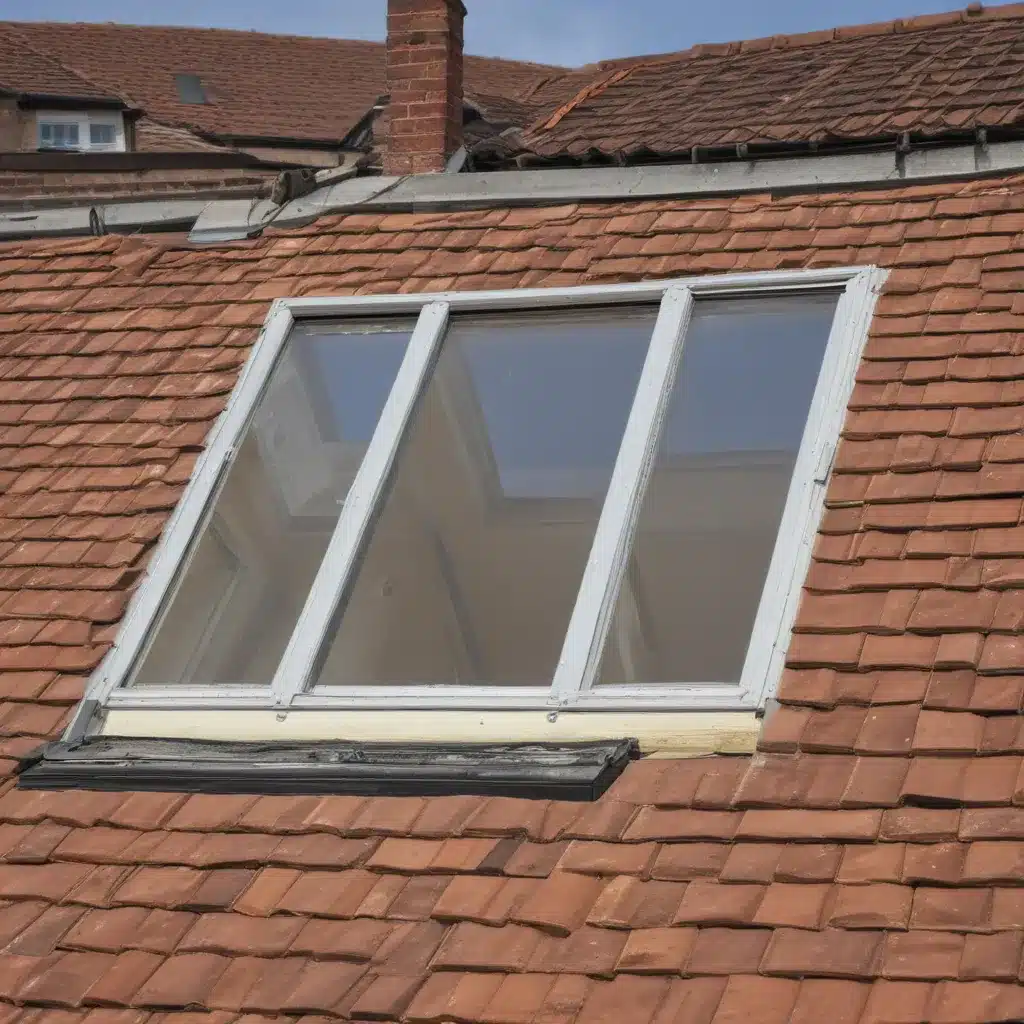
Unlocking the Hidden Potential of Your Loft
As a homeowner in Aberdeen, UK, I’ve always been captivated by the idea of transforming my loft into a functional and stylish living space. The allure of an extra bedroom, a cozy home office, or a serene retreat has been a constant source of inspiration. However, navigating the world of loft conversions can be a daunting task, fraught with potential pitfalls that can derail even the most carefully laid plans.
In this comprehensive guide, I’ll take you on a journey through the ins and outs of dormer loft conversions, equipping you with the knowledge and insights to avoid common planning pitfalls and unlocking the hidden potential of your home. From understanding the legalities and regulations to designing the perfect layout, I’ll cover it all, drawing from my own experiences and the expertise of industry professionals.
Exploring the Benefits of Dormer Loft Conversions
As a building and renovation company in Aberdeen, we’ve had the privilege of working on countless loft conversion projects, each one with its own unique challenges and rewards. One of the most popular and versatile options is the dormer loft conversion, a solution that has the power to truly transform the way you live and work within your home.
The key benefit of a dormer loft conversion lies in its ability to maximize the available space in your loft, creating a seamless and functional extension that blends seamlessly with the existing structure. By adding a vertical wall, known as a dormer, the conversion can provide additional headroom and floor space, making the loft a practical and comfortable living area.
But the advantages of a dormer loft conversion go far beyond just the physical transformation. It can also have a significant impact on the value of your property, with studies showing that a well-executed loft conversion can increase the overall value by as much as 20%. This makes it a savvy investment for homeowners looking to enhance their living experience and potentially boost their resale value down the line.
Understanding the Planning Considerations
As with any major home renovation project, navigating the planning process for a dormer loft conversion can be a daunting task. The rules and regulations surrounding loft conversions can vary depending on your local authority and the specific characteristics of your property, so it’s essential to do your research and familiarize yourself with the requirements.
One of the primary considerations is whether your loft conversion will require planning permission. In some cases, you may be able to proceed with a “permitted development” project, which allows you to make certain changes without the need for formal planning approval. However, there are specific criteria that must be met, such as the size and location of the dormer, the impact on the overall appearance of your home, and the effect on your neighbors.
If your project falls outside the permitted development guidelines, you’ll need to apply for planning permission. This process can be time-consuming and involve a significant amount of paperwork, but it’s crucial to ensure that your conversion complies with local building codes and regulations. Failure to do so can result in costly delays, legal issues, and even the need to undo the work you’ve already completed.
Navigating the Design Process
With the planning considerations out of the way, the design process for your dormer loft conversion can be an exciting and rewarding journey. This is where you’ll have the opportunity to truly bring your vision to life, tailoring the space to meet your specific needs and lifestyle.
One of the key decisions you’ll need to make is the layout and configuration of the loft. Do you want to create a cozy bedroom, a spacious home office, or a versatile multi-purpose room? The placement and size of the dormer will play a crucial role in determining the overall flow and functionality of the space.
It’s also important to consider the aesthetic impact of the dormer on the exterior of your home. Will the new addition complement the existing architectural style, or will it create a jarring contrast? Working closely with your design team can help you strike the perfect balance between form and function, ensuring that your dormer loft conversion not only meets your practical needs but also enhances the overall curb appeal of your property.
Choosing the Right Dormer Style
With the design process well underway, it’s time to delve into the various dormer styles available and determine which one will best suit your home and your vision for the loft conversion.
One popular option is the gabled dormer, which features a triangular roof that mirrors the design of the main roof. This classic look can be a great choice for traditional or period-style homes, creating a harmonious and cohesive appearance.
Alternatively, the flat-roof dormer offers a more contemporary aesthetic, with a clean and minimalist profile that can work well in modern or transitional-style homes. This option can also be a practical choice, as the flat roof can provide additional usable space within the loft.
For homeowners seeking a more dramatic and eye-catching look, the hipped dormer may be the way to go. This style features a roof that slopes on all four sides, creating a striking and distinctive addition to the roofline. While it may not be the right fit for every home, the hipped dormer can be a stunning choice for those who want to make a bold architectural statement.
Addressing Structural Considerations
As exciting as the design process can be, it’s crucial to address the structural considerations that come with a dormer loft conversion. These technical aspects may not be the most glamorous part of the project, but they play a vital role in ensuring the safety and longevity of your new living space.
One of the key structural elements to consider is the load-bearing capacity of your existing roof and loft structure. The addition of a dormer can significantly increase the weight and stress on the framing, so it’s essential to consult with a structural engineer to ensure that the necessary reinforcements are in place.
Another important factor is the impact on the thermal performance of your home. Loft conversions can create potential issues with insulation and ventilation, which can affect the overall energy efficiency and comfort of the space. By working closely with your design team and adhering to the latest building regulations, you can address these concerns and create a cozy and energy-efficient loft that won’t leave you shivering in the winter or sweating in the summer.
Navigating the Construction Process
With the planning, design, and structural considerations under control, it’s time to tackle the construction phase of your dormer loft conversion. This is where the rubber meets the road, and the true transformation of your home begins to take shape.
One of the most critical aspects of the construction process is the coordination and communication between the various tradespeople involved, from carpenters and roofers to electricians and plumbers. Ensuring that everyone is on the same page and working in harmony can be a daunting task, but it’s essential for the smooth and efficient completion of the project.
Another important consideration is the impact of the construction on your daily life. Loft conversions can be disruptive, with noise, dust, and limited access to certain areas of your home. By working closely with your contractor and setting clear expectations, you can minimize the disruption and ensure that the construction process is as seamless and stress-free as possible.
Maximizing the Potential of Your Dormer Loft Conversion
As the construction phase draws to a close and you step back to admire your newly transformed loft, it’s time to consider how you can truly maximize the potential of this exciting new living space.
One of the key ways to do this is by carefully selecting the right furniture and decor. The unique shape and layout of a dormer loft can present some challenges when it comes to furniture placement, but with a bit of creativity and strategic planning, you can create a cozy and functional living area that truly reflects your personal style.
Another important consideration is the integration of smart home technology. The loft can be an ideal location for features like automated lighting, climate control, and even home entertainment systems. By incorporating these cutting-edge solutions, you can not only enhance the functionality of your loft but also increase the overall value of your property.
Embracing the Unexpected: Real-Life Dormer Loft Conversion Stories
As a building and renovation company in Aberdeen, we’ve had the privilege of working on countless loft conversion projects, each one with its own unique challenges and triumphs. And while the technical aspects of these projects are important, the truly fascinating stories often lie in the unexpected twists and turns that homeowners encounter along the way.
Take, for example, the case of the Smiths, a young family who decided to transform their loft into a cozy home office. During the planning stages, they discovered that their property was located within a conservation area, which meant that they would need to navigate a complex approval process to ensure that their dormer design was in keeping with the local architectural guidelines. Despite the additional hurdles, the Smiths persevered, working closely with our team to create a stunning loft conversion that not only met their functional needs but also seamlessly blended with the historical character of their neighborhood.
Another intriguing story is that of the Johnsons, a couple who had their hearts set on a spacious master bedroom in their loft. However, as the construction progressed, they encountered an unexpected challenge – the discovery of a hidden structural beam that threatened to disrupt the layout of the room. Undaunted, they worked with our team to reconfigure the design, ultimately creating a truly unique and awe-inspiring space that maximized the available headroom and natural light.
These are just a few examples of the kind of real-life adventures that can unfold during a dormer loft conversion. By embracing the unexpected and working closely with experienced professionals, homeowners can turn these challenges into opportunities to create truly one-of-a-kind living spaces that reflect their unique personalities and needs.
Conclusion: Unlock the Potential of Your Loft
As you can see, navigating the world of dormer loft conversions can be a thrilling and rewarding journey, but it’s also one that requires careful planning, attention to detail, and a willingness to overcome unexpected obstacles.
By understanding the benefits of this type of conversion, the planning considerations, the design process, and the structural and construction challenges, you’ll be well on your way to unlocking the hidden potential of your loft and transforming it into a living space that truly enhances your quality of life.
And if you’re based in Aberdeen, UK, our team at ABC Home would be more than happy to guide you through every step of the process. From initial consultation to final walkthrough, we’re committed to ensuring that your dormer loft conversion is a seamless and stress-free experience, resulting in a beautiful and functional addition to your home.
So why wait? Take the first step towards your dream loft conversion and let’s get started on exploring the endless possibilities that lie within your home.