Drips, Drips Everywhere: Why Fixing Leaky Faucets is a Winter Must
As the chilly winds of winter begin to howl outside my window, I can’t help but feel a sense of dread creep up my spine. You see, it’s not the prospect of shoveling snow or de-icing my car that has me on edge – it’s the dreaded sound of dripping faucets.
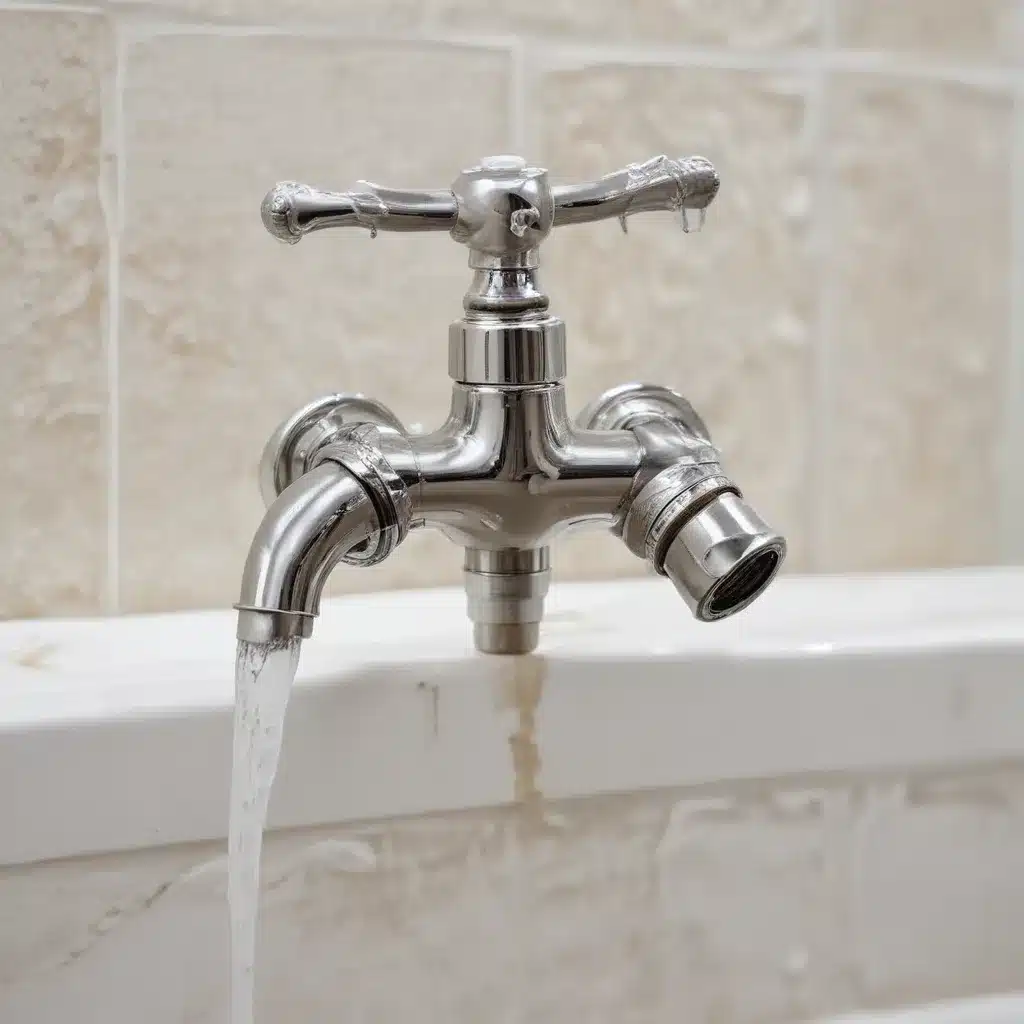
Yes, my friends, those pesky little water droplets that patter against the sink can be the harbingers of a much bigger problem during the winter months. You see, a leaky faucet is not just an annoyance – it can actually lead to a frozen pipe nightmare that no homeowner ever wants to face.
The Perils of Procrastination: Why You Can’t Ignore That Drip Any Longer
I’ll never forget the winter a few years back when I decided to “let that drip go” for a bit. The weather outside was frightful, and the last thing I wanted to do was venture into my frigid basement to tinker with the plumbing. “It’s just a small drip,” I told myself. “It can wait until spring.”
Oh, how I wish I had learned my lesson then. Because by the time I woke up one blustery morning to find my kitchen sink completely frozen solid, it was too late. The drip had turned into a full-blown crisis, and I was left scrambling to call an emergency plumber (at an absolute premium, I might add) to thaw out my pipes.
Let that be a cautionary tale, my fellow homeowners. Those innocent little drips and drabs may seem harmless, but they can quickly spiral out of control when the mercury starts to plummet. And trust me, dealing with burst pipes and flooding is the last thing you want to be doing in the dead of winter.
Faucet Fixes 101: A Step-by-Step Guide to Tackling Leaks
Alright, now that I’ve thoroughly spooked you with my frozen pipe horror stories, let’s talk about how you can actually prevent this nightmare scenario from unfolding in your own home. The secret? Fixing those dripping faucets – and doing it before the cold weather really sets in.
Now, I know what you’re thinking – “But I’m not a plumber! How on earth am I supposed to repair a leaky faucet?” Fear not, my DIY-inclined friends, for I’m about to break down the process in simple, easy-to-follow steps.
First things first, you’ll need to identify the root cause of the leak. Is it a worn washer? A corroded valve seat? Or perhaps a damaged O-ring? Depending on the type of faucet you have, the troubleshooting process may vary slightly. But in general, you’ll want to start by shutting off the water supply, removing the faucet handle, and taking a good look at the internal components.
Once you’ve pinpointed the problem, it’s time to head to your local hardware store and pick up the necessary replacement parts. This is where a bit of research can really pay off – make sure you know the specific model of your faucet so you can snag the right parts the first time around.
With your new washers, gaskets, or whatever else you need in hand, it’s time to get to work. Carefully disassemble the faucet, replace the damaged components, and then reassemble everything. Don’t be afraid to take your time and double-check your work – after all, you don’t want to end up with a bigger leak on your hands!
And the final step? Turn that water back on and give your freshly repaired faucet a test run. If all goes well, you should be good to go – no more drips, no more worries about frozen pipes. Ah, the sweet, sweet sound of success.
Faucet Fixes: The Gift That Keeps on Giving
Now, I know what you’re thinking – “Geez, that sounds like a lot of work just to stop a little drip.” And you know what? You’re absolutely right. Fixing a leaky faucet is no small task, and it can certainly be tempting to just ignore the problem and hope for the best.
But trust me, my friends, the effort is more than worth it. Not only will you be protecting your home from the perils of frozen pipes, but you’ll also be saving yourself a whole lot of money in the long run.
You see, those persistent drips don’t just annoy your ears – they also wreak havoc on your water bill. Depending on the severity of the leak, a single dripping faucet can waste hundreds of gallons of water per year. And when you factor in the cost of all that H2O, well, let’s just say that calling in a plumber to fix the problem suddenly starts to look like a pretty smart investment.
And let’s not forget the environmental impact, either. In a world where water conservation is more important than ever, every drop counts. By taking the time to repair those leaky faucets, you’re not only protecting your own home, but you’re also doing your part to preserve our precious natural resources.
So, the next time you hear that familiar pitter-patter of water against the sink, don’t just ignore it and hope for the best. Grab your toolbox, roll up your sleeves, and get to work. Your wallet, your home, and the planet will all thank you.
Winter is Coming: Don’t Get Caught with Frozen Pipes
As the days grow shorter and the temperatures start to plummet, it’s time to start thinking about winterizing your home. And you know what that means? Yep, you guessed it – fixing those pesky dripping faucets before they turn into a full-blown frozen pipe disaster.
Now, I know what you’re thinking – “But it’s still fall! Do I really need to worry about this now?” The answer, my friends, is a resounding yes. You see, those leaky faucets don’t just magically start dripping when the first snowflake hits the ground. Nope, they’ve been slowly but surely causing problems all year long. And the colder it gets, the more those drips can wreak havoc on your plumbing.
So, what are you waiting for? Grab your trusty wrench and get to work! Trust me, a few hours of faucet fixing now will save you countless headaches (and dollars) down the road. And who knows – you might even discover a hidden talent for home improvement along the way.
Of course, if the idea of tackling those leaks yourself fills you with dread, there’s always the option of calling in the professionals. At ABC Home Services, we pride ourselves on being the go-to experts for all your winterizing needs. From faucet repairs to pipe insulation and beyond, our team of skilled technicians can help ensure your home is ready to brave the chilly months ahead.
So, what are you waiting for? The clock is ticking, and Old Man Winter is lurking just around the corner. Don’t let those drips turn into a frozen pipe nightmare – take action now and enjoy a winter free from plumbing woes. Your future self will thank you, I promise.
Conclusion: A Stitch in Time Saves Nine (and Prevents Frozen Pipes)
As I sit here sipping my hot cocoa and listening to the wind howl outside, I can’t help but feel a sense of satisfaction knowing that my faucets are in tip-top shape. No more annoying drips, no more worries about burst pipes – just the cozy, warm feeling of a home that’s ready to take on the winter.
And you know what? That feeling is priceless. Because let me tell you, there’s nothing quite like the panic of dealing with a frozen pipe emergency in the dead of winter. The frantic calls to plumbers, the chaos of trying to clean up the flooding, the astronomical repair bills – it’s enough to make even the most stoic homeowner want to curl up in a ball and cry.
But by taking the time to fix those leaky faucets before the cold weather hits, you can spare yourself all of that drama. And let’s be honest, a few hours spent tinkering with some washers and O-rings is a small price to pay for the peace of mind that comes with knowing your home is ready to weather the storm.
So, my fellow homeowners, heed my advice: don’t let those drips and drabs slide. Grab your toolbox, put on your DIY hat, and get to work. Or, if the idea of plumbing repairs fills you with dread, give the experts at ABC Home Services a call. Either way, just make sure those faucets are in tip-top shape before the first snowflake falls.
Trust me, your future self – and your wallet – will thank you.