Embracing the Chill: A Homeowner’s Guide to Winterizing Your Abode
Ah, the changing of the seasons – that time of year when the leaves turn golden, the air grows crisp, and we all start to dread the arrival of the dreaded “S” word (you know, the one that rhymes with “snow”). As a homeowner in Aberdeen, UK, I know all too well the struggles of preparing our humble abodes for the long, chilly months ahead. But fear not, my friends! With a little elbow grease and a healthy dose of planning, we can ensure our homes are snug, cozy, and ready to weather even the harshest winter storms.
In this comprehensive guide, I’ll be sharing my top tips and tricks for getting your home winter-ready, from insulating those drafty windows to uncovering hidden energy leaks. So, grab a warm mug of tea, pull up a chair, and let’s dive in!
Seal Those Leaks: Insulation and Air Infiltration
The first order of business when it comes to winterizing your home? Tackling those pesky air leaks that let the cold wind (and your hard-earned cash) slip right through the cracks. Quite literally, in some cases. You see, even the tiniest of openings around windows, doors, and other entry points can add up to major energy loss – and that’s money straight out of your pocket in the form of higher heating bills.
But fear not, my fellow Aberdonians, for there are plenty of ways to seal those leaks and keep the warm air in. One of the most effective methods is to beef up your insulation, both in the attic and throughout the walls of your home. This helps create a cozy barrier that traps heat and keeps the icy gusts at bay. And let me tell you, there’s nothing quite as satisfying as seeing your energy bills drop after a successful insulation project.
Of course, insulation is only half the battle. You’ll also want to hunt down any air leaks and patch them up with weatherstripping, caulk, or other sealants. Start by conducting a thorough inspection of your home, checking around windows, doors, electrical outlets, and anywhere else the cold air might be sneaking in. Trust me, those little cracks and crevices can add up quickly!
Gearing Up the Furnace: Maintenance and Efficiency
With the air leaks plugged and the insulation beefed up, it’s time to turn our attention to the beating heart of your home’s heating system: the furnace. Now, I know what you’re thinking – “But I just had it serviced last year!” – and you’re not wrong. But regular maintenance is key when it comes to keeping your furnace running at peak efficiency, especially as the mercury starts to drop.
For starters, be sure to replace those air filters on a regular basis. Clogged filters can restrict airflow, forcing your furnace to work harder and consume more energy in the process. And while you’re at it, consider investing in a programmable thermostat. These nifty gadgets allow you to precisely control your home’s temperature, ensuring you’re only heating the spaces you’re actually using.
But the real game-changer when it comes to furnace efficiency? Annual tune-ups. This is where you’ll want to enlist the help of a professional HVAC technician, who can perform a comprehensive inspection, clean the system, and make any necessary adjustments or repairs. Trust me, a little preventative maintenance now can save you a bundle down the road in energy costs and potential breakdowns.
Drafty Windows: Insulation and Treatments
Now, let’s talk about those pesky windows – the bane of every homeowner’s existence during the winter months. Those single-paned, drafty relics can be a real energy suck, letting the cold air in and the warm air out. But fear not, my friends, for there are plenty of ways to whip those windows into shape.
First and foremost, consider upgrading to energy-efficient windows. I know, I know, it’s a big investment, but trust me, the long-term savings on your heating bills will be well worth it. And if a full window replacement isn’t in the budget, there are still plenty of other options to explore.
For starters, you can add an extra layer of insulation with window film or plastic sheeting. These clear, adhesive materials create an additional barrier that helps trap heat and block out the cold. And don’t forget about window treatments! Heavy curtains, blinds, or even thermal-backed draperies can make a world of difference in keeping the chill at bay.
Of course, the real key to tackling those drafty windows is to tackle the problem at its source – the seals and weatherstripping. Be sure to inspect all of your windows for any cracks or gaps, and seal them up with caulk or weatherstripping as needed. Trust me, a little bit of elbow grease now can save you a ton of money (and frustration) in the long run.
Keeping the Pipes Flowing: Winterizing Plumbing
Ah, the joys of homeownership – where everything from the roof to the foundation is our responsibility. And when it comes to winter prep, one of the most crucial (and often overlooked) tasks is winterizing our plumbing system.
You see, those frigid temperatures can wreak havoc on our pipes, causing them to freeze and potentially burst. And let me tell you, there’s nothing quite as unpleasant as coming home to a flooded basement or a torrent of water spewing from a busted pipe. Yikes!
But fear not, my fellow Aberdonians, for there are plenty of ways to keep those pipes flowing freely, even in the depths of winter. Start by insulating any exposed pipes, especially those in unheated areas like the attic or crawl space. You can use pre-cut foam sleeves or even good old-fashioned towels and rags to create a cozy barrier.
And don’t forget about the outdoor spigots and hoses! Be sure to disconnect them, drain any lingering water, and cover them up to prevent freezing. While you’re at it, consider installing shut-off valves for your exterior water lines, just in case.
Of course, even with all the best preventative measures in place, there’s always the chance that a pipe could freeze or burst. That’s why it’s a good idea to know where your main water shut-off valve is located and how to use it. That way, if disaster strikes, you can act quickly to minimize the damage and get those pipes flowing again.
Protecting Your Roof: Gutters, Downspouts, and Icicles
As if dealing with drafty windows and frozen pipes wasn’t enough, there’s one more wintertime nemesis that every homeowner in Aberdeen must face: the dreaded icicles. And let me tell you, those frosty stalactites aren’t just a nuisance – they can actually pose a serious threat to the integrity of your roof and gutters.
You see, when snow and ice build up on your rooftop, it can create a dam that prevents proper drainage. And when that water has nowhere to go, it can seep back into your home, causing all sorts of costly damage. Not to mention the risk of those heavy icicles breaking off and causing injury or property damage.
But fear not, my friends, for there are ways to keep those icicles at bay. Start by making sure your gutters and downspouts are clear of debris, allowing water to flow freely. And while you’re up there, consider installing heated gutter cables or de-icing systems to prevent ice buildup in the first place.
And let’s not forget about the roof itself. Be sure to keep an eye out for any snow or ice dams that may be forming, and take action to clear them before they have a chance to wreak havoc. A little elbow grease now can save you a ton of headaches (and money) down the road.
Embracing the Elements: Outdoor Winterization
Now, I know what you’re thinking: “But what about the great outdoors? Surely there’s more to winterizing than just the inside of my home.” And you’d be absolutely right, my friends. Because when it comes to preparing for the colder months, we can’t forget about the importance of tending to our outdoor spaces as well.
After all, your home’s exterior is the first line of defense against the winter elements, and it’s important to make sure it’s up to the task. Start by giving your siding, trim, and other outdoor surfaces a thorough inspection, looking for any cracks, gaps, or areas that need a little TLC. A fresh coat of weatherproof paint or sealant can go a long way in keeping the cold air at bay.
And let’s not forget about your landscaping! Properly preparing your trees, shrubs, and other plantings for the winter can help them emerge healthy and vibrant in the spring. This might involve things like pruning, mulching, and even wrapping sensitive plants to protect them from frost and wind.
But perhaps the most crucial outdoor task of all? Safeguarding your outdoor living spaces. Whether it’s your patio, deck, or that cozy little gazebo, you’ll want to make sure these areas are properly winterized and protected from the elements. This might involve covering or storing furniture, insulating water lines, and even investing in some weatherproof heating solutions to extend the use of your outdoor oasis.
Embrace the Chill: A Winter Wonderland Awaits
Well, there you have it, my fellow Aberdonians – a comprehensive guide to getting your home ready for the long, chilly months ahead. From sealing those pesky air leaks to protecting your pipes and gutters, we’ve covered all the bases to ensure your abode is snug, cozy, and ready to weather even the harshest winter storm.
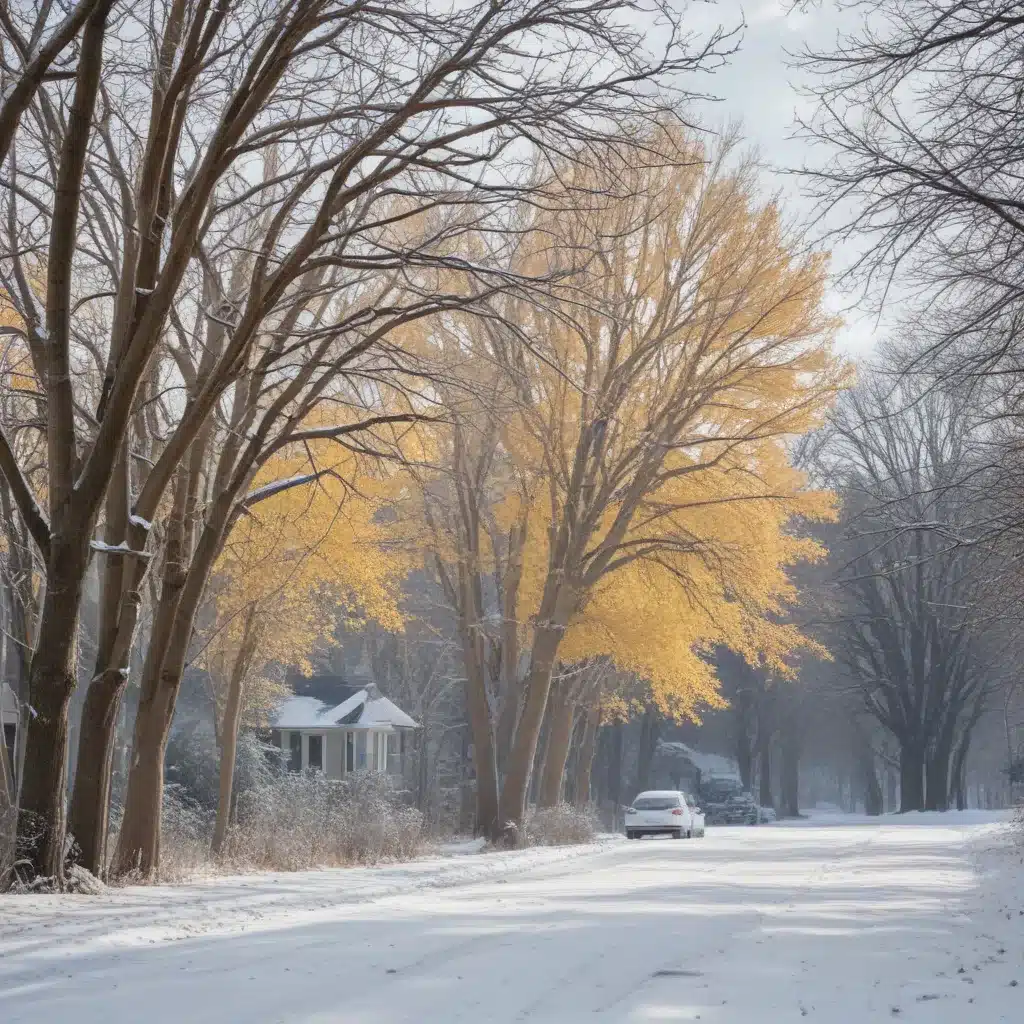
But you know, as daunting as all this winterization work might seem, there’s a silver lining to all of this. Because once the cold winds start to blow and the first snowflakes start to fall, we’ll be able to sit back, relax, and truly embrace the magic of the season. Imagine curling up by the fire with a good book, sipping on a warm mug of cocoa, and gazing out at the winter wonderland that surrounds us. Ahh, bliss.
So, my friends, let’s not dread the arrival of winter – let’s welcome it with open arms. With a little bit of planning and preparation, we can ensure our homes are warm, comfortable, and ready to weather even the most formidable of cold fronts. And who knows, maybe we’ll even find ourselves marveling at the beauty of those icicles (from a safe distance, of course).
So, what are you waiting for? Grab your tools, put on your warmest socks, and let’s get to work. Your winter-ready home awaits!