The Perils of Rushing Headlong Into a Renovation
Have you ever found yourself standing in the middle of a half-finished home renovation project, surrounded by a sea of mismatched materials and a growing sense of dread? It’s a scenario that far too many homeowners have found themselves in – the result of skipping the critical step of thoroughly researching approved products and materials before diving headfirst into a major upgrade.
As someone who has spent the past decade working in the building and renovation industry in Aberdeen, UK, I’ve seen it all. The homeowner who purchased the wrong size windows and now faces the daunting task of finding a custom solution. The couple who got swept up in the latest design trend, only to realize too late that the materials they selected were not suited for their climate. And the DIY enthusiast who thought they could save a few quid by sourcing cheap, subpar supplies online, only to have the entire project come crashing down around them.
These cautionary tales are precisely why I cannot stress enough the importance of doing your homework before embarking on any home improvement journey. It may not be the most exciting part of the process, but trust me, the time and effort you invest upfront will pay dividends in the long run. Not only will you end up with a renovation that stands the test of time, but you’ll also save yourself from a whole lot of headaches, heartaches, and unexpected costs along the way.
Navigating the Maze of Building Regulations and Standards
One of the key elements to consider when researching approved products and materials is the web of building regulations and standards that govern the construction industry in the UK. These rules and guidelines are in place to ensure the safety, functionality, and longevity of any building work, and they can vary significantly depending on the type of project you’re undertaking.
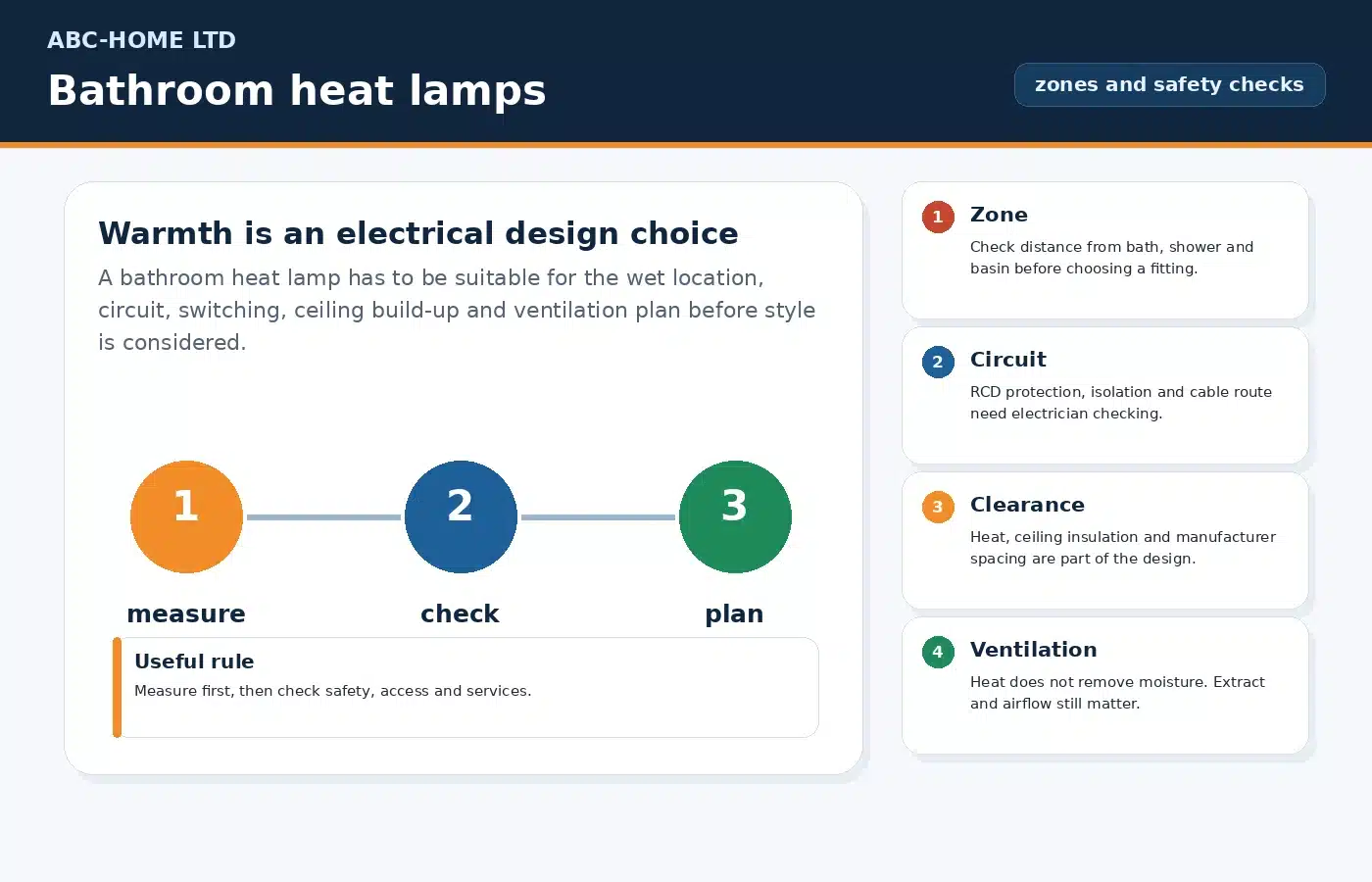
For example, if you’re planning to add an extension to your home, you’ll need to familiarize yourself with regulations surrounding structural integrity, insulation, and energy efficiency. Alternatively, if you’re tackling a kitchen or bathroom renovation, you’ll need to be mindful of water-resistant materials, ventilation requirements, and electrical safety standards.
Navigating this maze of regulations can be a daunting task, especially for first-time homeowners. That’s where the expertise of a reputable building and renovation company can be an absolute godsend. They’ll not only be well-versed in the latest codes and standards, but they’ll also be able to guide you towards products and materials that have been specifically approved for use in your project.
Optimizing for Energy Efficiency and Sustainability
In today’s climate-conscious world, it’s also crucial to consider the energy efficiency and sustainability of the materials you choose for your home upgrade. After all, not only do eco-friendly options help to reduce your carbon footprint, but they can also lead to significant long-term savings on your utility bills.
When it comes to energy efficiency, look for things like high-performance insulation, energy-efficient windows and doors, and heating and cooling systems that meet or exceed industry standards. And for sustainability, prioritize materials that are made from renewable or recycled resources, have a low environmental impact during production, and can be easily recycled or repurposed at the end of their lifespan.
Of course, the world of sustainable building materials can be just as bewildering as the realm of building regulations. That’s why it’s important to do your research and consult with experts who can help you navigate the options and find the best fit for your project and your budget.
Choosing the Right Products for Your Climate and Lifestyle
But energy efficiency and sustainability aren’t the only factors to consider when selecting approved products and materials for your home upgrade. You also need to think about how well those choices will stand up to the unique climate and lifestyle demands of your property.
For example, if you live in a coastal region like Aberdeen, you’ll need to be particularly mindful of moisture-resistant and salt-tolerant materials to protect against the corrosive effects of the sea air. And if you have young children or pets running around, you might want to prioritize durable, easy-to-clean surfaces that can withstand a bit of wear and tear.
It’s also worth considering the long-term maintenance requirements of the products you choose. Some materials, like natural stone or solid wood, may require more frequent cleaning and treatment to keep them looking their best. Others, like vinyl or laminate, may be easier to care for but may not have the same aesthetic appeal.
Balancing all of these factors can be a delicate dance, but again, that’s where the expertise of a professional building and renovation company can be invaluable. They’ll be able to help you weigh the pros and cons of different options and guide you towards the solutions that will work best for your specific needs and goals.
Avoiding the Pitfalls of Cheap or Imitation Products
One of the biggest temptations when it comes to home upgrades is the allure of cheap or imitation products that promise to deliver the same look and functionality as their more expensive counterparts. And let’s be honest, who doesn’t love a good bargain?
Unfortunately, the old adage “you get what you pay for” is particularly true when it comes to building materials and home improvement supplies. Cheap or imitation products may seem like a great way to save money upfront, but they often come with a slew of hidden issues that can end up costing you far more in the long run.
Substandard materials, shoddy workmanship, and a lack of quality control can all lead to problems like structural instability, premature wear and tear, and even safety hazards. And let’s not forget the aesthetic considerations – those bargain-basement materials may not have the same level of finish or attention to detail as the genuine article, leaving your renovation with a distinctly budget-y vibe.
The moral of the story? When it comes to your home, it’s always better to invest in high-quality, approved products and materials, even if it means digging a little deeper into your pockets upfront. Trust me, your future self (and your home’s resale value) will thank you.
Putting it All Together: A Case Study in Successful Home Upgrades
Now, I know what you’re thinking – all of this talk about research, regulations, and material selection sounds like a real slog. And you’d be right, to a certain extent. But the truth is, the more time and effort you put into the planning and preparation stage of your home upgrade, the smoother and more successful the entire process will be.
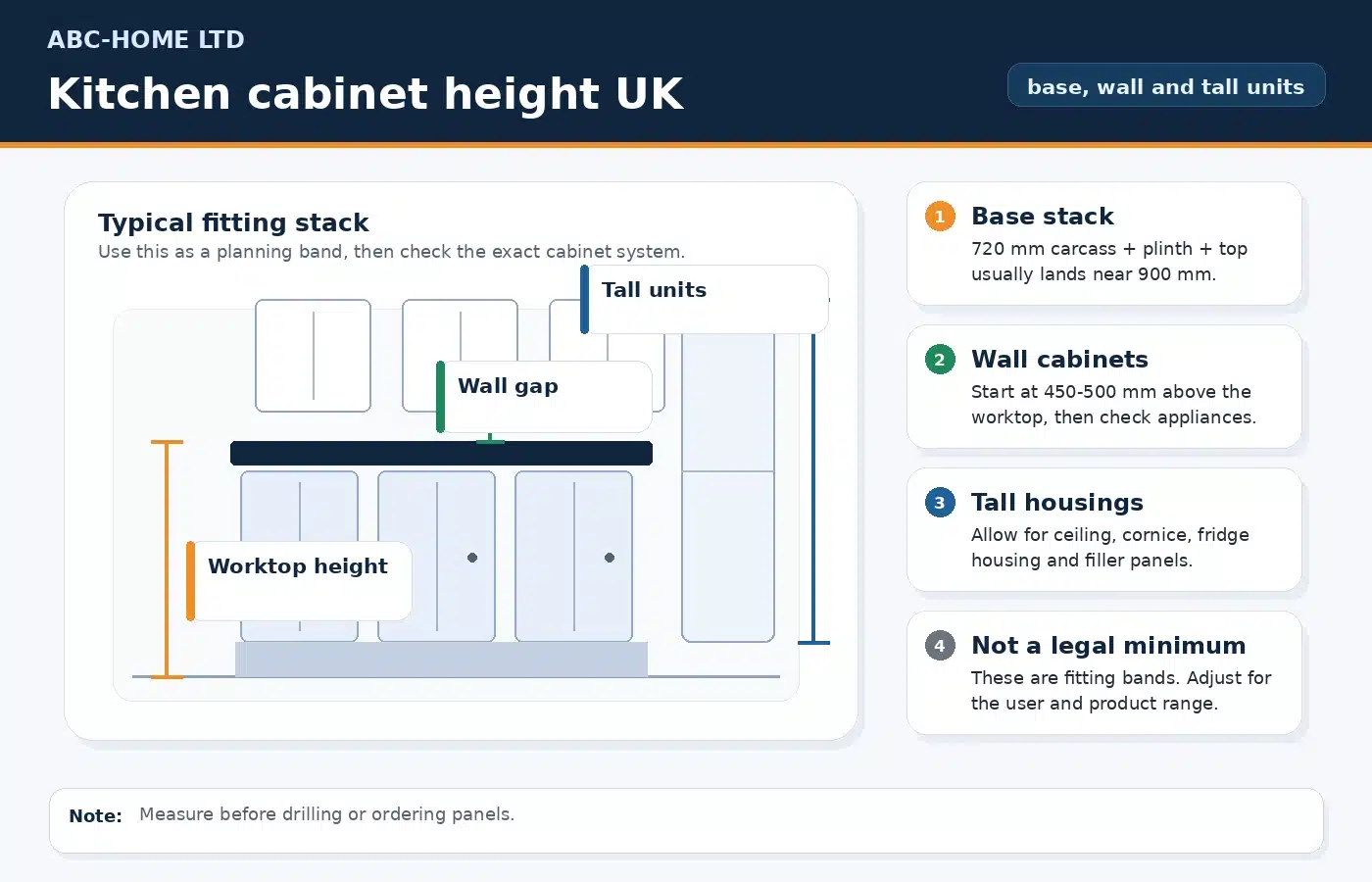
Let me give you a real-life example to illustrate my point. A few years ago, we worked with a family in Aberdeen who were looking to transform their tired, outdated kitchen into a modern, functional space that better suited their busy lifestyle. They came to us with a clear vision in mind, but they also acknowledged that they didn’t have a firm grasp on the practical considerations that would be involved.
Together, we embarked on a deep dive into the world of kitchen design and renovation. We reviewed the latest building codes and standards, explored a range of energy-efficient and sustainable materials, and carefully considered the unique climatic and lifestyle factors of their home. It was a thorough, meticulous process, but the end result was a kitchen that exceeded their wildest dreams.
Not only did the new space look absolutely stunning, with a seamless blend of high-quality cabinetry, durable countertops, and state-of-the-art appliances, but it also proved to be incredibly functional and low-maintenance. The family was thrilled, and they’ve since told us that the transformation has had a profoundly positive impact on their day-to-day lives.
Of course, this wasn’t an overnight success story – it took time, effort, and a willingness to dive deep into the details. But the payoff was more than worth it. By taking the time to research approved products and materials, this family was able to create a kitchen that not only met their aesthetic and practical needs, but also stood the test of time. And that’s the kind of outcome that every homeowner should strive for when embarking on a major renovation project.
Conclusion: Embrace the Research, Reap the Rewards
So, there you have it – the compelling case for thoroughly researching approved products and materials before tackling any home upgrades. It may not be the most glamorous aspect of the renovation process, but it’s an essential step that can make all the difference between a project that’s a roaring success and one that’s a dismal failure.
Sure, it takes time and effort, but trust me, the rewards are more than worth it. Not only will you end up with a renovation that’s built to last, but you’ll also save yourself from a whole host of headaches, heartaches, and unexpected costs along the way.
And who knows, you might even find that the research process is kind of fun in its own quirky way. After all, what’s not to love about diving deep into the arcane world of building regulations and sustainable materials? It’s like going on an adventure through the labyrinth of home improvement, with every new discovery and insight serving as a little treasure along the way.
So, the next time you’re itching to start a home renovation project, remember: slow and steady wins the race. Take the time to do your homework, consult with the experts, and make sure you’re choosing the right approved products and materials for the job. Your future self, your home, and your bank balance will all thank you in the end.
Visit our website to learn more about our building and renovation services in Aberdeen, UK.