Uncovering the Asbestos Enigma: A Cautionary Tale for Homeowners
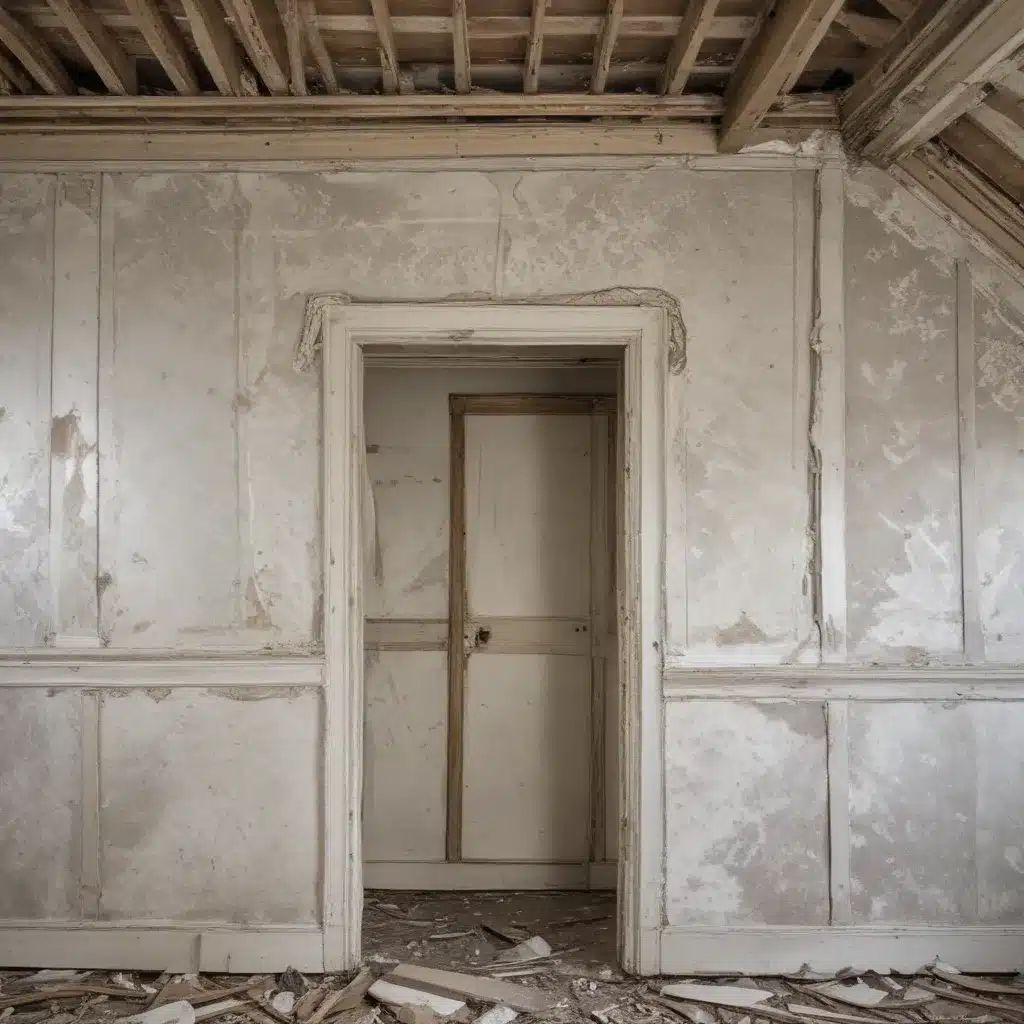
As I stood in the dimly lit attic of the old Victorian house, the musty air stirring memories of a bygone era, I couldn’t help but feel a sense of unease. The previous owners had assured me that there were no hidden surprises, but something about the way the sunlight filtered through the cracked plaster told a different story. Little did I know, the true challenge of this renovation project was about to unfold before my eyes.
You see, I’m Tom, the owner of ABC Home, a local building and renovation company in Aberdeen, UK. I’ve seen my fair share of old houses, each with their own unique quirks and hidden obstacles. But this one, with its winding staircases and intricate moldings, was different. I knew that tackling the asbestos issue would be crucial, not just for the safety of my team, but for the well-being of the future homeowners as well.
Understanding the Asbestos Conundrum: What Lurks Within?
Asbestos – the very word sends shivers down the spine of any seasoned renovator. This once-ubiquitous building material, prized for its impressive insulating and fire-resistant properties, has now become the bane of homeowners and construction workers alike. You see, when asbestos-containing materials are disturbed, the microscopic fibers can be released into the air, posing a serious health risk if inhaled. And let me tell you, old houses are like a veritable minefield of asbestos-laden surprises.
The thing is, asbestos can be hiding in the most unexpected places – from floor tiles and roof shingles to pipe insulation and even textured ceilings. And the truly insidious part? It’s often invisible to the naked eye, blending seamlessly with the surrounding materials. That’s why it’s absolutely crucial to have a trained professional assess the property before embarking on any renovation work.
Navigating the Asbestos Maze: Identifying the Culprits
As I delved deeper into the nooks and crannies of this old house, I knew I had to be meticulous in my search for asbestos. It was like playing a high-stakes game of hide-and-seek, with the potential consequences of missing a single fiber being nothing short of catastrophic.
One of the first areas I focused on was the attic. Many older homes had asbestos-containing insulation installed to improve energy efficiency, and this was a prime suspect. I carefully inspected the insulation, looking for any signs of deterioration or damage that could indicate the presence of asbestos. Next, I turned my attention to the basement, where asbestos-wrapped pipes were often found snaking their way through the dark, damp spaces.
But the real challenge lay in the walls and ceilings. You see, asbestos-containing materials were commonly used as a fire-resistant coating or as a binding agent in plaster and drywall. This meant that even the most seemingly innocuous surfaces could be hiding a deadly secret. I meticulously probed every nook and cranny, searching for any telltale signs that would reveal the presence of this invisible threat.
The Asbestos Audit: Uncovering the Hidden Hazards
As I continued my investigation, I knew that a thorough asbestos audit was the only way to truly ensure the safety of this renovation project. I called in a team of certified asbestos inspectors, who used a combination of visual assessments, material sampling, and laboratory analysis to identify the extent of the problem.
The results were, quite frankly, sobering. Asbestos-containing materials were found in the attic insulation, the basement pipe wrappings, and even the textured ceiling in the main living room. It was a virtual minefield of hidden hazards, each one posing a serious threat to the health and safety of anyone who dared to disturb them.
But, as they say, knowledge is power. Armed with this critical information, I was able to develop a comprehensive plan to safely remove and dispose of the asbestos-laden materials, ensuring that the renovation process could move forward without compromising the well-being of my team or the future homeowners.
Asbestos Abatement: A Meticulous and Methodical Approach
When it comes to asbestos abatement, there’s no room for error. It’s a delicate and highly regulated process that requires the utmost care and precision. As the owner of ABC Home, I take this responsibility seriously, and I’ve made it my mission to ensure that every project we undertake is completed in a safe and responsible manner.
First and foremost, I brought in a team of licensed and certified asbestos abatement professionals. These are the experts – the ones who have the training, the equipment, and the expertise to handle this dangerous material with the utmost caution. They donned their protective suits and respirators, and set to work carefully sealing off the contaminated areas, using specialized tools and techniques to minimize the risk of fiber release.
But the real challenge came in the disposal process. Asbestos waste is considered a hazardous material, and it needs to be handled and transported in a very specific way to ensure that it doesn’t pose a threat to the environment or the public. I coordinated closely with licensed waste management companies to ensure that every last fiber was securely contained and transported to an approved disposal facility.
Reclaiming the Renovated Home: A Safer, Healthier Future
As the asbestos abatement process drew to a close, I couldn’t help but breathe a sigh of relief. The old Victorian house had been stripped of its deadly secret, and I knew that the future homeowners would be able to move in with the peace of mind that their family’s health and safety were the top priority.
But the real satisfaction came when I saw the transformation unfold. The once-dingy attic, now bathed in natural light, had been carefully insulated with modern, asbestos-free materials. The basement pipes, no longer wrapped in their asbestos cocoon, were now shiny and new, ready to serve the home for years to come. And that textured ceiling in the living room? Gone, replaced with a sleek, smooth finish that reflected the warm glow of the newly installed lighting.
It’s moments like these that remind me why I do what I do. Renovating an old house is not just about transforming the physical space – it’s about uncovering the hidden stories, the secrets that lie beneath the surface. And when you can do that while ensuring the safety and well-being of the people who will call this place home, well, that’s what I call a job well done.
So, if you’re embarking on your own old house renovation journey, remember this: asbestos is the silent enemy, lurking in the shadows, ready to pounce if you’re not vigilant. But with the right team, the right approach, and a healthy dose of caution, you can conquer this challenge and create a home that’s not just beautiful, but safe and healthy for generations to come.