The Importance of Proper Safety Precautions
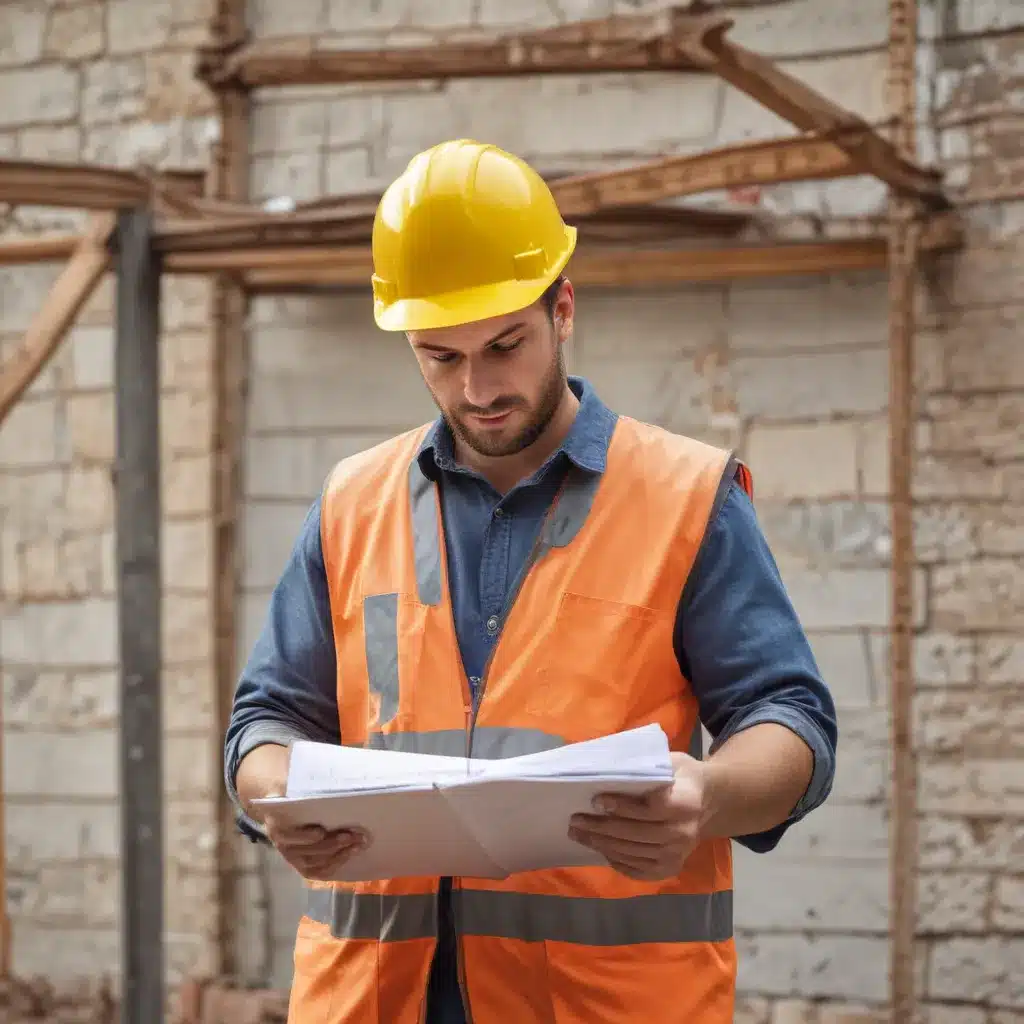
You know, when it comes to any kind of building or renovation work, safety should always be the top priority. I’m not just talking about wearing a hard hat and steel-toed boots (although those are definitely important!). There’s a whole checklist of essential safety checks that need to be done before you even think about picking up a hammer or saw.
Trust me, I’ve seen some pretty gnarly accidents happen on job sites, and they’re usually the result of someone skipping a crucial safety step. It’s just not worth the risk, you know? I mean, who wants to end up in the hospital with a broken bone or worse, all because they didn’t take the time to properly secure the work area or check for potential hazards? Not me, that’s for sure.
That’s why, as the owner of a building and renovation company here in Aberdeen, I make sure my team is trained up on all the safety protocols and procedures. We do a thorough walkthrough before every single project, no matter how big or small. It’s the only way to ensure we’re keeping ourselves and our clients safe throughout the entire process.
Electrical Safety Checks
Let’s start with one of the most critical safety checks – the electrical system. I can’t tell you how many times I’ve seen DIY home renovators try to tackle electrical work without any kind of training or expertise. It’s a recipe for disaster, let me tell you.
First things first, you’ve got to locate the main electrical panel and make sure it’s in good working order. Check for any frayed or damaged wiring, and make sure all the circuit breakers are functioning properly. If you spot any issues, it’s best to call in a licensed electrician to take a look. They’ll be able to identify and address any potential problems before they turn into full-blown emergencies.
Once the main panel is squared away, you’ll also want to closely inspect all the electrical outlets and switches throughout the work area. Are they secure and in good condition? Are there any signs of overloading or other electrical hazards? If you’ve got any doubts, better safe than sorry – get an electrician in to do a full assessment.
And while we’re on the topic of electricity, let’s talk about power tools. Make sure all your power tools are in proper working order, with no exposed or damaged wiring. And always, always use a ground fault circuit interrupter (GFCI) outlet when operating power tools on a job site. That extra layer of protection could literally be a lifesaver.
Structural Integrity Checks
Okay, now that we’ve got the electrical stuff sorted, let’s move on to checking the structural integrity of the building. This is especially important if you’re doing any kind of major renovations or additions.
First up, take a close look at the foundation. Are there any cracks, settling, or other signs of structural issues? A compromised foundation is a major red flag, and you’ll definitely want to bring in a structural engineer to assess the situation before proceeding.
While you’re down there, also take a peek at the framing. Look for any rot, termite damage, or other signs of wear and tear. The last thing you want is for the whole thing to come crashing down around you, you know?
And don’t forget to check the roof, walls, and any load-bearing beams or columns. Make sure they’re all in good condition and able to support the weight of any new construction or renovations. If you spot any potential problems, it’s best to get them addressed before you start knocking down walls or adding new structures.
Asbestos and Lead Paint Identification
Now, let’s talk about something that a lot of people overlook when it comes to building safety: asbestos and lead paint. These are some seriously hazardous materials, and they’re still lurking in a lot of older buildings, especially here in Aberdeen.
If your home or commercial property was built before the 1980s, there’s a good chance it contains asbestos in things like insulation, roofing materials, or floor tiles. And lead-based paint was commonly used up until the late 1970s. Exposure to either of these can have devastating health effects, so it’s crucial to have them properly identified and removed by licensed professionals before starting any work.
Don’t try to DIY this one, folks. Asbestos and lead paint remediation is a highly specialized job that requires proper training, equipment, and disposal protocols. One wrong move, and you could be putting yourself and your workers in serious danger. Trust me, it’s just not worth the risk.
Hazardous Materials Identification and Disposal
Speaking of hazardous materials, let’s not forget about all the other potentially dangerous stuff you might encounter on a job site. Things like old fuel tanks, chemical storage, or even medical waste – it’s all gotta be properly identified and disposed of in accordance with local regulations.
I remember one time we were doing a renovation on an old industrial building, and we came across this sketchy-looking barrel in the basement. Turns out it was full of some kind of caustic chemical. Needless to say, we stopped work immediately, got the area cordoned off, and called in a hazmat team to handle the situation.
It was a huge pain in the neck, but better safe than sorry, right? You never know what kind of surprises might be lurking in an older building, so it’s always best to proceed with caution. Do a thorough inspection, document everything, and work closely with the proper authorities to ensure everything is dealt with properly.
Fire and Life Safety Checks
Alright, last but not least, let’s talk about fire and life safety. This is a biggie, especially if you’re working on a commercial or multi-unit residential property.
First off, you’ll want to make sure all the fire extinguishers, smoke detectors, and emergency lighting are in good working order. Test them, replace the batteries, and make sure they’re easily accessible in case of an emergency.
Next, take a look at the building’s evacuation plan and exit routes. Are they clearly marked and unobstructed? Do you have a plan in place for safely evacuating the premises in the event of a fire or other disaster? These are the kinds of things that can literally mean the difference between life and death, so don’t take them lightly.
And while we’re on the topic of life safety, don’t forget about things like proper ventilation, air quality, and even ergonomics for your workers. You want to make sure the job site is a healthy, comfortable environment for everyone involved. After all, happy and healthy workers are productive workers, am I right?
Conclusion: Prioritizing Safety for Success
At the end of the day, safety should be the number one priority on any building or renovation project. It’s not just about protecting your workers and clients – it’s about ensuring the long-term integrity and functionality of the structure itself.
By taking the time to thoroughly inspect the electrical, structural, and hazardous materials aspects of a job site, you’re setting yourself up for success. Sure, it might add a little bit of time and effort upfront, but trust me, it’s worth it. The last thing you want is for some unforeseen safety issue to derail your project and cost you a ton of time and money down the line.
So, if you’re planning any kind of building or renovation work, whether it’s a small home project or a massive commercial undertaking, make sure you’ve got all your safety ducks in a row before you get started. It might seem like a hassle, but in the long run, it’s the best way to ensure a smooth, successful, and – most importantly – safe project.
And if you need any help with that, you know where to find us. ABC Home is here to guide you through the entire process, from start to finish. We’ll make sure your job site is as safe as can be, so you can focus on turning your vision into reality. Let’s do this!