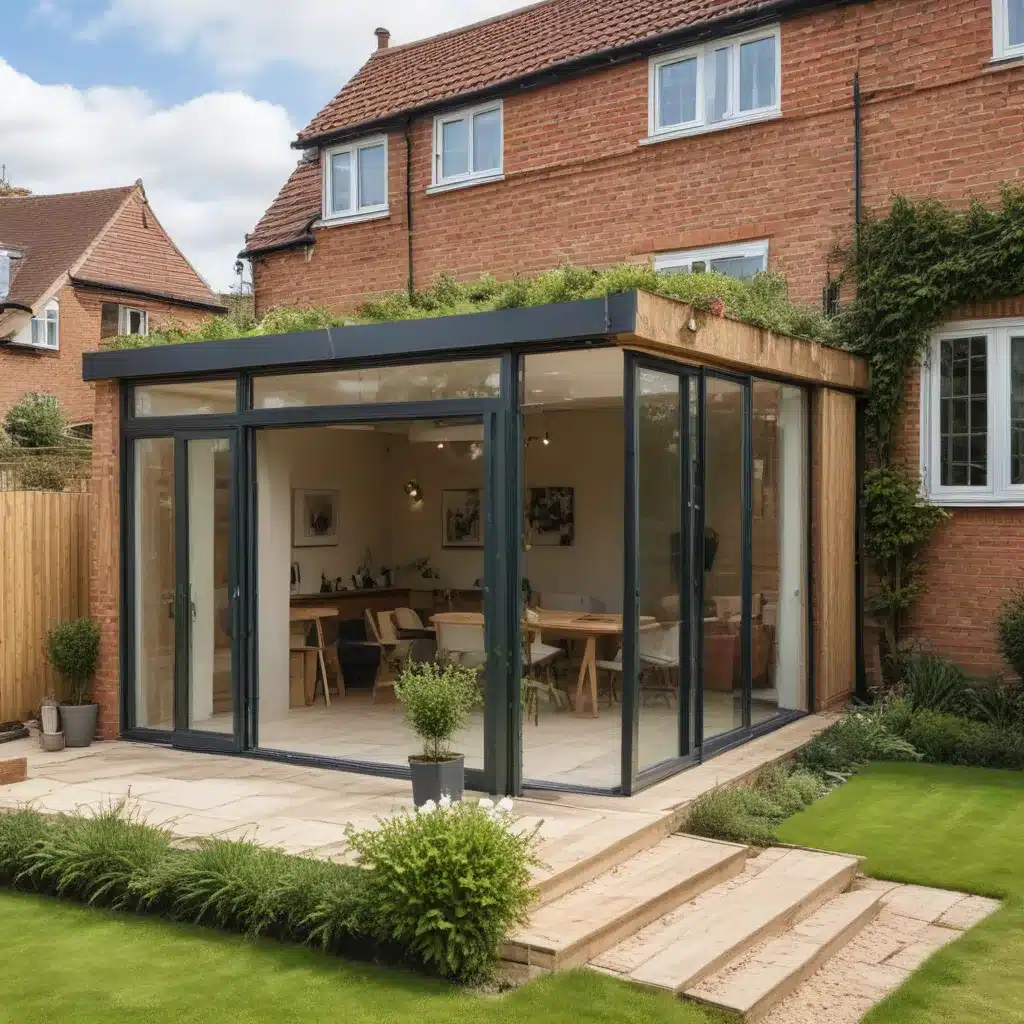
The Eco-Friendly Extension: A Journey Towards Sustainability
As the founder and lead designer of ABC Home, a renowned building and renovation company in Aberdeen, UK, I’ve had the privilege of working on countless projects that have pushed the boundaries of eco-friendly design. And let me tell you, the journey towards creating an eco-friendly extension is one that’s both challenging and immensely rewarding.
You see, when it comes to the world of architecture and construction, the traditional approach has often been to focus solely on aesthetics and functionality, with little regard for the environmental impact. But as the global consciousness around sustainability has grown, more and more of my clients have been seeking ways to incorporate eco-friendly elements into their home renovations and extensions.
And let me tell you, it’s not as simple as slapping a few solar panels on the roof and calling it a day. No, my friends, designing an eco-friendly extension requires a holistic approach that takes into account everything from the building materials to the energy efficiency to the overall impact on the local ecosystem.
Laying the Groundwork: Assessing the Site and Existing Structure
The first step in creating an eco-friendly extension is to conduct a thorough assessment of the existing site and structure. This involves analyzing the orientation of the building, the direction of the sun, the prevailing winds, and the local climate. By understanding these factors, we can develop a design that takes advantage of natural resources and minimizes the need for artificial heating, cooling, and lighting.
For example, let’s say we’re working on an extension for a property that faces south. By strategically placing windows and using materials that maximize natural light, we can reduce the need for electricity-powered lighting during the day. And by incorporating passive solar design elements, like thermal mass and insulation, we can help the building retain heat in the winter and stay cool in the summer, reducing the energy demands on the heating and cooling systems.
But it’s not just about the orientation and design – we also need to consider the existing structure and how it can be integrated into the new extension. After all, the greenest building is the one that’s already standing, right? By carefully assessing the structural integrity and condition of the existing building, we can identify ways to repurpose and reuse materials, minimizing the need for new construction and the associated environmental impact.
Selecting Eco-Friendly Materials: A Sustainable Approach
Once we’ve got a handle on the site and the existing structure, the next step is to start thinking about the materials we’ll use for the extension. And let me tell you, this is where the real magic happens when it comes to creating an eco-friendly design.
Gone are the days when we had to sacrifice style and durability for sustainability. These days, there’s a wealth of eco-friendly building materials that not only look great but also have a much lower environmental impact than traditional options.
For example, let’s talk about timber. Sustainably sourced and harvested timber is an incredibly versatile and renewable building material that can be used for everything from the framing to the cladding to the flooring. And when you compare it to materials like steel and concrete, which have a much larger carbon footprint, the choice becomes a no-brainer.
But it’s not just about the big stuff – even the small details can make a big difference when it comes to eco-friendly design. Things like low-VOC paints, recycled insulation, and water-efficient fixtures can all contribute to the overall sustainability of the project.
And let’s not forget about the importance of sourcing locally. By using materials that are produced and transported within a relatively small radius, we can significantly reduce the carbon emissions associated with the project. It’s a win-win for the environment and the local economy.
Optimizing Energy Efficiency: Harnessing the Power of Technology
Now, I know what you’re thinking – “Okay, we’ve got the materials sorted, but what about the actual energy efficiency of the extension?” And let me tell you, this is where the real magic happens.
One of the key elements of an eco-friendly extension is the incorporation of renewable energy sources, like solar panels and heat pumps. By leveraging the latest advancements in renewable technology, we can create a self-sufficient building that not only reduces its environmental impact but also saves the homeowners money on their energy bills in the long run.
But it’s not just about the big-ticket items – even the small things can make a big difference when it comes to energy efficiency. Things like LED lighting, smart thermostats, and energy-efficient appliances can all contribute to the overall sustainability of the project.
And let’s not forget about the importance of insulation. By ensuring that the extension is properly insulated, we can help to reduce the energy demands of the heating and cooling systems, further minimizing the environmental impact of the project.
Integrating Sustainable Landscaping: Blending Nature and Design
But the eco-friendly journey doesn’t stop at the building itself – we also need to consider the impact on the surrounding landscape. After all, a truly sustainable extension should work in harmony with the local ecosystem, not against it.
That’s why we always place a strong emphasis on incorporating sustainable landscaping elements into our designs. This might involve things like native plant species, permeable paving, and rainwater harvesting systems – all of which can help to reduce the overall environmental impact of the project.
And let me tell you, the results can be truly stunning. By blending nature and design, we can create outdoor spaces that not only look beautiful but also support the local flora and fauna. Imagine a lush, thriving garden that not only provides a serene oasis for the homeowners but also serves as a haven for pollinators and other wildlife.
It’s a win-win, my friends – a beautiful, eco-friendly extension that not only reduces the carbon footprint but also enhances the local ecosystem. And who wouldn’t want that?
The Importance of Collaboration and Continuous Improvement
Of course, designing an eco-friendly extension is not a solo endeavor. It requires a team of dedicated professionals, from architects and engineers to landscape designers and sustainability consultants. And it’s through this collaboration that we’re able to push the boundaries of what’s possible when it comes to sustainable design.
But the journey doesn’t end there. As the field of eco-friendly design continues to evolve, we’re constantly seeking out new and innovative ways to improve our processes and create even more sustainable projects. Whether it’s exploring the latest advancements in renewable energy technology or experimenting with cutting-edge building materials, we’re always on the lookout for ways to stay ahead of the curve.
And you know what? I wouldn’t have it any other way. Because at the end of the day, the most rewarding part of this journey is seeing the positive impact that our eco-friendly extensions have on the environment and the lives of the people who live in them. It’s a testament to the power of design to transform the way we live and interact with the world around us.
So if you’re considering an extension for your home, I encourage you to embrace the challenge of eco-friendly design. Trust me, the journey may be a long and winding one, but the destination is well worth the effort. And who knows – you might even have a bit of fun along the way.
If you’re ready to take the first step towards creating your own eco-friendly extension, I’d be more than happy to chat with you about your vision and how we can bring it to life. Just head over to https://abc-home.co.uk/ to learn more about our services and get in touch.