Unlocking the Secret to Effortless Room Transformations
As an interior design enthusiast, I’ve seen my fair share of paint color conundrums. The endless sea of paint swatches, the constant back-and-forth between warm and cool tones – it can all feel a bit overwhelming, can’t it? But fear not, my friends, for I’m here to guide you through the process of picking paint colours that will elevate your room’s style like never before.
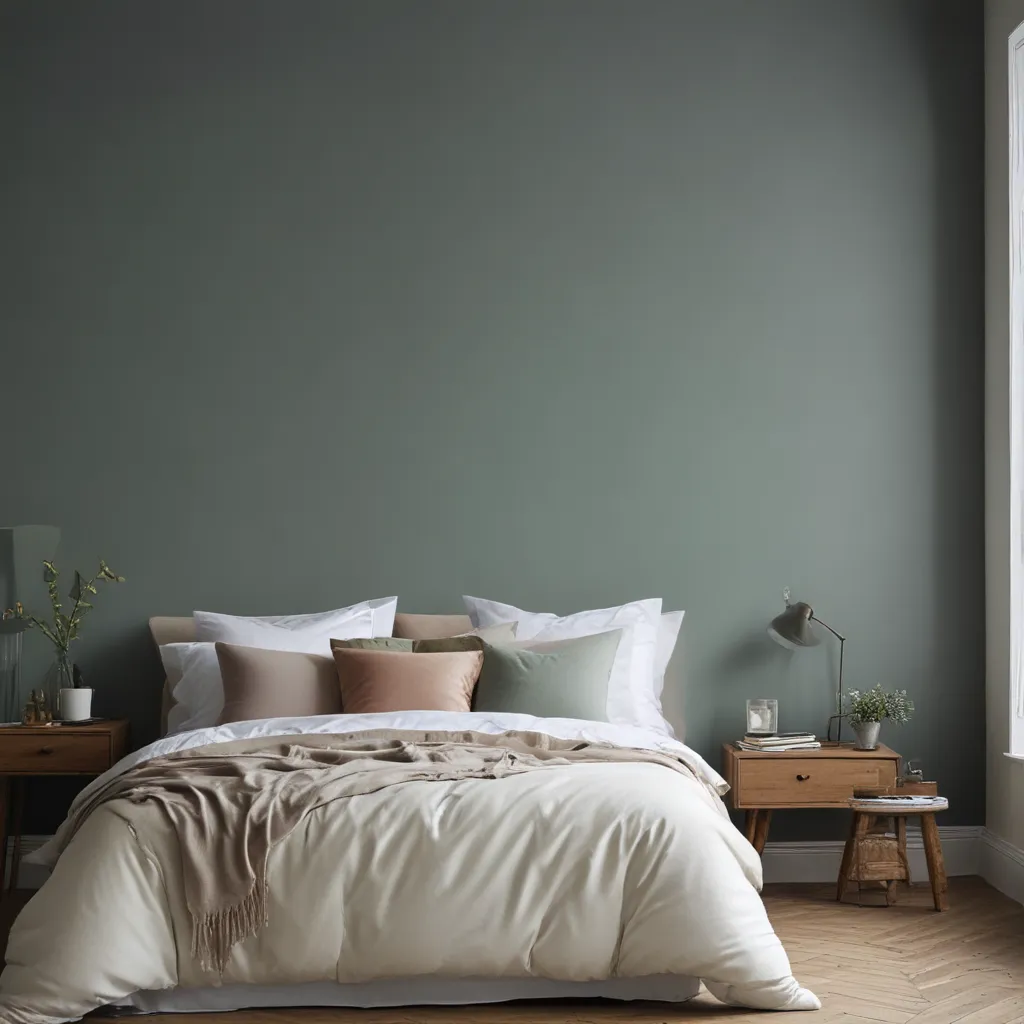
According to design expert Angela Bunt, the first step in your colour journey is to consider the atmosphere you want to create. Do you crave a light, airy space or a cozy, moody retreat? Contrary to popular belief, small rooms don’t necessarily feel brighter when painted in white or other light shades. In fact, the opposite can often be true.
Once you’ve determined the desired mood, it’s time to dive deeper. What’s the style of your room – is it a contemporary masterpiece or a charming period piece? And let’s not forget about the all-important factor of lighting. Which way does your room face, and how does the quality and intensity of the natural light shift throughout the day? These elements can have a profound impact on how your paint colours will behave.
Navigating the Compass: Paint Colours for Different Exposures
Now, let’s talk specifics. According to Kylie M. Interiors, the exposure that matters most is often the one with the largest windows. However, if there are obstacles like trees or buildings blocking the light, that can shift the balance.
For north-facing rooms, which tend to have a cooler, grayish light, Kylie suggests embracing the inherent moodiness by using rich, moody shades like purples and browns. If you prefer a more neutral palette, opt for whites with a creamy or yellow base to help bounce the light around.
On the other hand, south-facing rooms soak up the warm, sunny light, making them a breeze to decorate. Kylie recommends going with both warm and cool tones, as the changing light throughout the day will complement the palette.
When it comes to east- and west-facing rooms, the key is to consider the time of day you use the space. In the mornings, an east-facing room should be treated like a south-facing one, while a west-facing room should take on the characteristics of a north-facing space. In the evenings, the roles reverse.
Putting Theory into Practice: Real-World Examples
To bring these concepts to life, let’s dive into some real-world examples from Kylie’s portfolio. In a south-facing sitting room, she used Farrow & Ball’s ‘Cornforth White’, a warm and inviting grey that perfectly complemented the abundant natural light.
For a west-facing bedroom, Kylie opted for Farrow & Ball’s ‘Teresa’s Green’, a lovely warm tone that works well in both east- and west-facing spaces. And in a west-facing bathroom, she selected Little Greene’s ‘Citrine’, a vibrant green that creates a striking statement against the white tiles and woodwork.
Over at Blue i Style Blog, the experts offer a unique perspective on navigating rooms with chair rails. In older homes, the classic two-tone palette can add charming character, while in more modern spaces, the goal is often to downplay or update the dated feature.
One clever solution they suggest is to treat the chair rail like the rest of your trim, painting it the same colour for a more cohesive look. And for those willing to get a bit more hands-on, they recommend adding additional moldings below the chair rail to create a fresh, wainscoted effect.
Embracing the Unexpected: Painting Small, Dark Rooms
Now, let’s address the elephant in the room – or should I say, the small, dark room. As Emily Henderson points out, there’s a common misconception that painting every room white will automatically make it feel bigger and brighter. But the reality is, in spaces with limited natural light, a pure white palette can fall flat and lifeless.
Instead of succumbing to the all-white trend, Henderson encourages homeowners to embrace medium-toned neutral colours that will add depth and dimension to the space. Think warm greys, soft taupes, and muted blues – hues that can help bounce the light around and create a cozy, inviting atmosphere.
Putting It All Together: Your Personalized Paint Palette
Now that you’ve got a firm grasp on the science behind paint colour selection, it’s time to put it all together and create your own personalized palette. Remember, the key is to consider your room’s unique characteristics – the style, the lighting, and the existing furnishings and finishes.
Don’t be afraid to experiment with samples, either. As Angela Bunt suggests, buy a range of shades and test them out on your walls at different times of day. That way, you can see how the colours shift and interact with the natural light.
And if you’re ever feeling stuck, don’t hesitate to reach out to the experts at ABC Home in Aberdeen, UK. With their wealth of knowledge and design experience, they can help you navigate the paint colour conundrum and transform your space into a true work of art.
So, what are you waiting for? Grab those paint swatches, get experimenting, and let your room’s style shine through like never before!