The Great Debate: Open Concept or Traditional Floor Plans?
I’ve been there, friends. Tossing and turning at night, haunted by the age-old question – should I go for an open concept layout or stick with traditional separate rooms? It’s a dilemma that’s been keeping design enthusiasts up at night for decades.
Growing up, I was firmly in the separate rooms camp. My parents’ home had a nice closed-off kitchen where my mom could cook in peace, while the rest of us did our own thing in the living room without getting in each other’s way. But then I started seeing all these gorgeous open concept homes on HGTV, and I started to question everything I knew.
Was an open floor plan the key to finally achieving that elusive “dream home” look? Or was it just a passing trend that would leave me regretting my decision down the line? After delving deeper into the pros and cons of both layouts, I realized there’s no one-size-fits-all answer. It really comes down to your personal preferences, lifestyle, and the unique needs of your home.
The Origins of Open Concept
Surprisingly, open concept layouts didn’t actually originate from design gurus or real estate moguls – they were invented by the Deaf community! Back in the 70s and 80s, Deaf individuals were looking for ways to improve visual communication and awareness in their homes. They found that open kitchens were the perfect gathering spaces, allowing them to sign freely and keep an eye on their surroundings.
Of course, it took a while for open concept to catch on with the mainstream. In the early days, Deaf homeowners would often struggle to sell their remodeled homes, as potential buyers just weren’t sold on the idea of an open floor plan. It wasn’t until the 90s that open concept started becoming a full-blown design trend.
The Kitchen Conundrum
When it comes to the kitchen, the open concept debate really heats up. On one hand, an open layout can make your kitchen feel so much more spacious and inviting. You can easily interact with family and guests while you’re cooking, and keep an eye on the kids while they’re playing nearby. It’s the ultimate in “kitchen as the heart of the home” living.
As designer Joshua Jones points out, open concept kitchens were a game-changer for the Deaf community, allowing them to socialize and communicate freely during gatherings.
However, an open kitchen also comes with its fair share of drawbacks. If you’re a messy cook or prefer to keep your culinary activities out of sight, the constant visibility can be a real challenge. And let’s not forget the smell factor – that delicious meal you’re whipping up? Everyone’s gonna know about it, whether they want to or not.
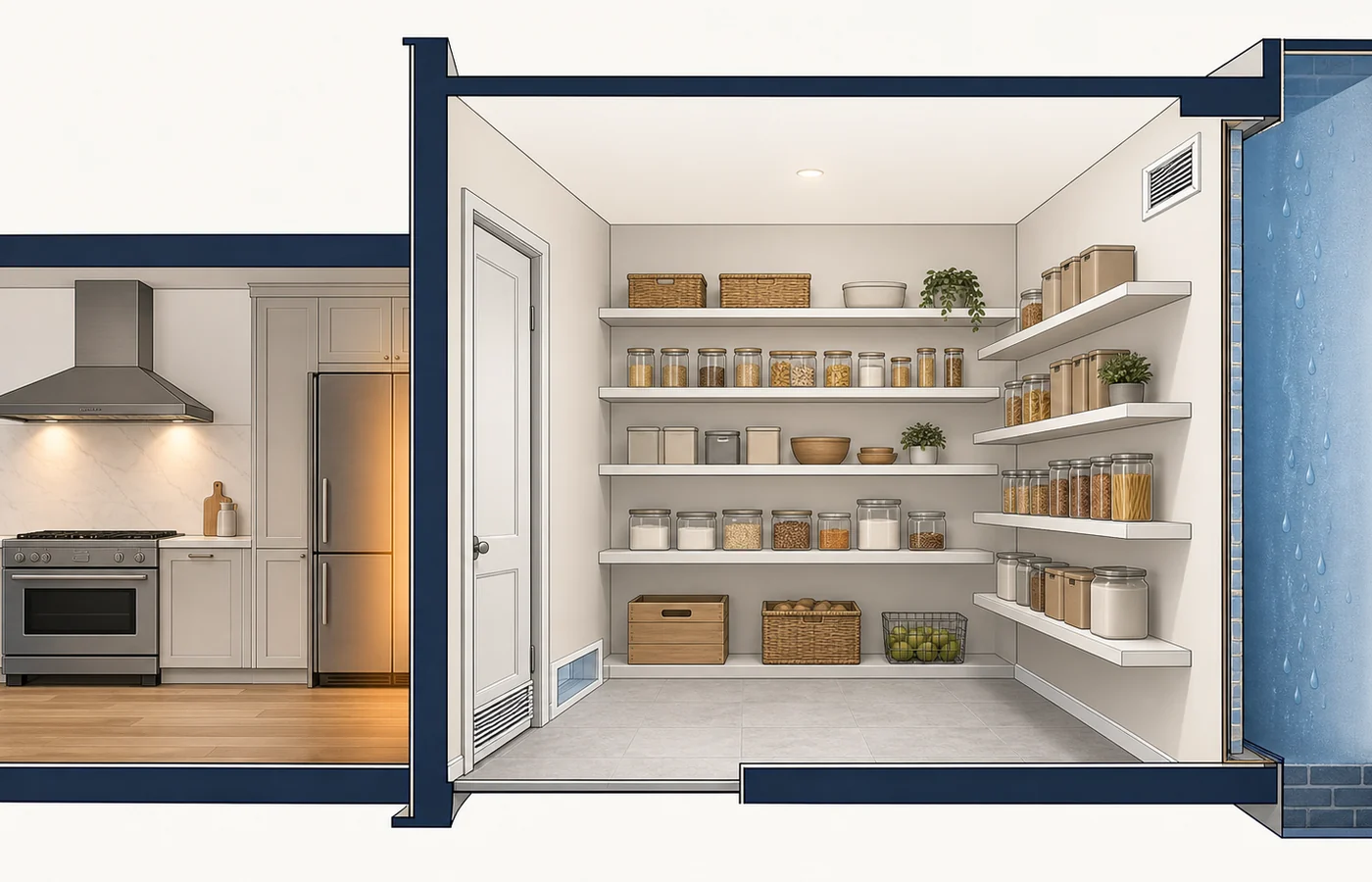
In a traditional closed-off kitchen, you’ve got the luxury of privacy and organization. No prying eyes, no distractions, and the ability to close the door on any unsightly messes. But on the downside, you might feel a bit disconnected from the rest of the household activities happening elsewhere in the home.
The Great Room Dilemma
The living room or “great room” area is another space where the open concept vs. separate rooms debate rages on. An open layout can make your home feel instantly larger and more inviting, with the flexibility to arrange your furniture in endless configurations. And with all that natural light flooding in, it’s a design dream come true.
But as one Redditor pointed out, the lack of walls can also lead to some serious noise and distraction issues. When everyone’s doing their own thing in the same space, it can be hard to find a moment of peace and quiet.
On the other hand, a traditional floor plan with separate rooms offers a more cozy and intimate vibe. You can carve out designated spaces for different functions – a formal living room for entertaining, a cozy den for movie nights, a quiet home office for focused work. And with doors to close off each room, you’ve got the ability to control the noise and maintain a sense of privacy.
Weighing the Pros and Cons
Ultimately, there’s no universal “right” answer when it comes to open concept vs. separate rooms. It all comes down to your personal preferences, lifestyle, and the unique needs of your home. To help you make the best decision, let’s take a closer look at the key pros and cons of each layout:
| Open Concept | Separate Rooms |
|---|---|
| – Feels more spacious and inviting – Allows for better communication and interaction – Provides more flexibility for furniture arrangement – Enhances natural light and openness |
– Offers more privacy and noise control – Enables dedicated spaces for specific functions – Facilitates better organization and storage – Aligns with a more traditional, cozy aesthetic |
| – Can be noisy and distracting – Requires constant tidiness and organization – Potential for odors to permeate the entire space – Challenging to create distinct zones for different activities |
– Can feel isolated or disconnected from the rest of the home – May require more resources for decor and renovation – Can result in a darker, more enclosed atmosphere – Harder to keep an eye on kids or pets moving between rooms |
Safety Considerations
As you weigh your options, it’s also crucial to consider the safety implications of each layout. In an open concept home, a fire can spread rapidly, while a traditional floor plan with separate rooms and doors can help slow down the progression.
On the flip side, an open layout can be advantageous in the event of a natural disaster like a sinkhole, as it allows for quicker and easier evacuation. And when it comes to home security, the open concept’s echoing sounds and visibility can actually help you stay more aware of potential threats.
Finding the Right Balance
At the end of the day, there’s no one-size-fits-all solution when it comes to open concept vs. separate rooms. As a building and renovation company in Aberdeen, UK, we’ve seen homeowners successfully pull off both layouts – it all comes down to understanding your unique needs and preferences.
For me, I landed somewhere in the middle. After living in an overly open home, I realized I craved a bit more separation and definition in my spaces. So in my current home, we opted for large arched entryways instead of complete open concept, allowing for that coveted sense of flow while still maintaining distinct rooms.
It was a bit of a gamble, and I definitely got some raised eyebrows when I first started talking about adding walls instead of tearing them down. But in the end, I couldn’t be happier with the final result. The rooms feel bigger, more inviting, and easier to decorate. Plus, I get to enjoy the best of both worlds – the openness I love, with the coziness and privacy I crave.
So as you embark on your own home design journey, I encourage you to really think about how you and your family live. Do you need that constant connection, or would you thrive in a more compartmentalized layout? There’s no “right” answer – just the one that’s perfect for you.