A Rooftop Oasis: My Journey to Cultivating an Urban Sanctuary
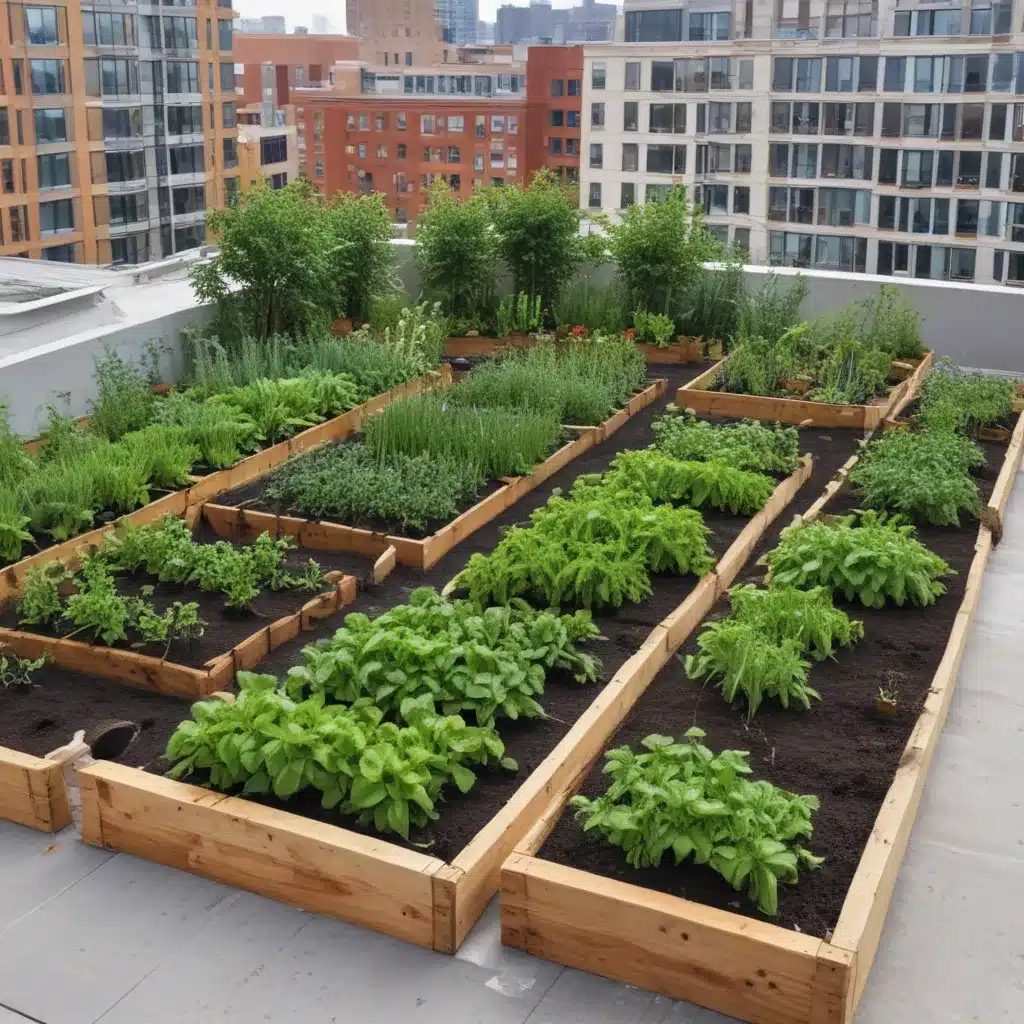
When my husband Jason and I were searching for our first home, one non-negotiable item was at the top of our list – an outdoor space where we could retreat and enjoy the simple pleasures of life, like sipping our morning coffee. After months of searching and touring nearly 30 properties, we finally found the one. The largest selling point? Its sizable roof deck, a blank canvas waiting for my personal touch.
Since moving in over a year ago, I have become obsessed with creating the rooftop garden of my dreams. Now, in the midst of a global pandemic with more time on my hands than ever before, I’ve been able to bring this vision to fruition. As I scoured the internet for inspiration and knowledge, I was overwhelmed by the wealth of information on creating vegetable gardens, but found few resources focused on the unique considerations of a rooftop setting.
Through trial and error, and with the help of some friends with green thumbs, I’ve learned so much about what works and what doesn’t when it comes to building a sustainable vegetable and herb garden that can thrive in the high temperatures and conditions of a rooftop. If you’re interested in creating a rooftop garden or simply want to grow your own food at home, I hope these tips and insights will prove invaluable.
Choosing the Right Plants for Your Rooftop Oasis
The first and perhaps most crucial step in creating a successful rooftop garden is selecting the right plants. Since your garden will be exposed to high sun and heat, it’s important to choose vegetables and herbs that can withstand these challenging conditions.
Based on my experience, here’s a breakdown of the plants that have been thriving in my rooftop garden, as well as a few that haven’t fared as well:
| Vegetables & Herbs (Garden Bed) | Vegetables & Herbs (Potted) |
|---|---|
| – Tomatoes – Peppers – Eggplant – Leafy greens – Herbs (basil, rosemary, thyme) |
– Beans – Carrots – Radishes – Lettuces – Herbs (parsley, cilantro) |
As you can see, the plants that thrive in garden beds tend to be more heat-tolerant, while the potted plants prefer slightly cooler conditions. The vessels used for each plant have also been crucial to their success. Vertical planters and standard terracotta pots with drainage holes have been the most effective in our rooftop garden.
Mastering the Art of Rooftop Watering and Care
Maintaining the delicate balance of watering and care is essential for any garden, but it becomes even more critical when your plants are elevated on a rooftop. Most days, my plants require generous watering in the morning and a second round by mid-afternoon to keep them hydrated and healthy.
I’ve learned that it’s crucial to plan your watering and care regimen based on the weather. On days when we receive summer rain or thunderstorms, I water less or not at all. Additionally, since the plants are not in the ground, I have to be mindful of potential strong winds that could impact them, and might even need to bring a few plants indoors during particularly blustery conditions.
Regularly pruning your herbs and harvesting your vegetables once they reach full size are also essential practices. Removing dead leaves and cutting back your herbs can stimulate new growth and keep your plants thriving. And don’t let your veggies linger too long – harvest them at their peak to ensure optimal flavor and texture.
Observing, Adapting, and Embracing the Unexpected
One of the most valuable lessons I’ve learned in my rooftop gardening journey is the importance of daily observation and adaptability. I was devastated when I discovered that birds or some other critter had taken my growing eggplants, but this experience taught me to closely examine my plants every day for signs of pests or disease. By paying closer attention, I was able to identify and address issues before they became serious problems.
Embracing the unexpected has also been a key part of my rooftop gardening adventure. On a trip to the local farmer’s market, I stumbled upon a root vegetable I had never heard of before – the Kohlrabi. I was instantly enamored with its unique flavor and made it a point to start growing it in my garden. By keeping an open mind and exploring new possibilities, I’ve discovered some of my favorite plants and produce.
Ultimately, my rooftop garden has become a deeply personal and meditative journey, much like my yoga practice. It has taught me patience, freedom, strength, balance, flexibility, gratitude, self-determination, awareness, courage, respect, and love – all of which I’ve come to cherish as I’ve navigated the joys and challenges of urban food production.
Cultivating Community and Preserving Food Diversity
As I’ve delved deeper into the world of rooftop gardening, I’ve also developed a profound appreciation for the importance of preserving food diversity and supporting local, sustainable food systems. Through my involvement with the Long Island Regional Seed Consortium and the Long Island Cheese Pumpkin Project, I’ve learned about the critical role that heirloom and regionally adapted varieties play in maintaining the health and resilience of our food supply.
By growing rare and endangered crops like the Long Island Cheese Pumpkin, Aunt Molly’s Ground Cherry, and the Shinnecock Currant Tomato, I’m not only cultivating a more diverse and flavorful garden, but I’m also contributing to the larger movement to safeguard our food heritage for generations to come. These efforts, combined with my passion for hosting community events and sharing my rooftop garden with friends and family, have helped me build a deep connection to the land, the seasons, and the rich tapestry of local food cultures.
As I gaze out over the bustling streets of Aberdeen from my rooftop oasis, I feel a profound sense of gratitude and wonder. This small, elevated slice of urban green space has become a sanctuary, a place where I can nourish both my body and my spirit. And by sharing this journey with others, I hope to inspire more people to reconnect with the land, grow their own food, and cultivate a deeper appreciation for the incredible diversity and bounty that our planet has to offer.