Gorgeous Gravel Gardens
Discovering the Beauty in Dry Landscapes
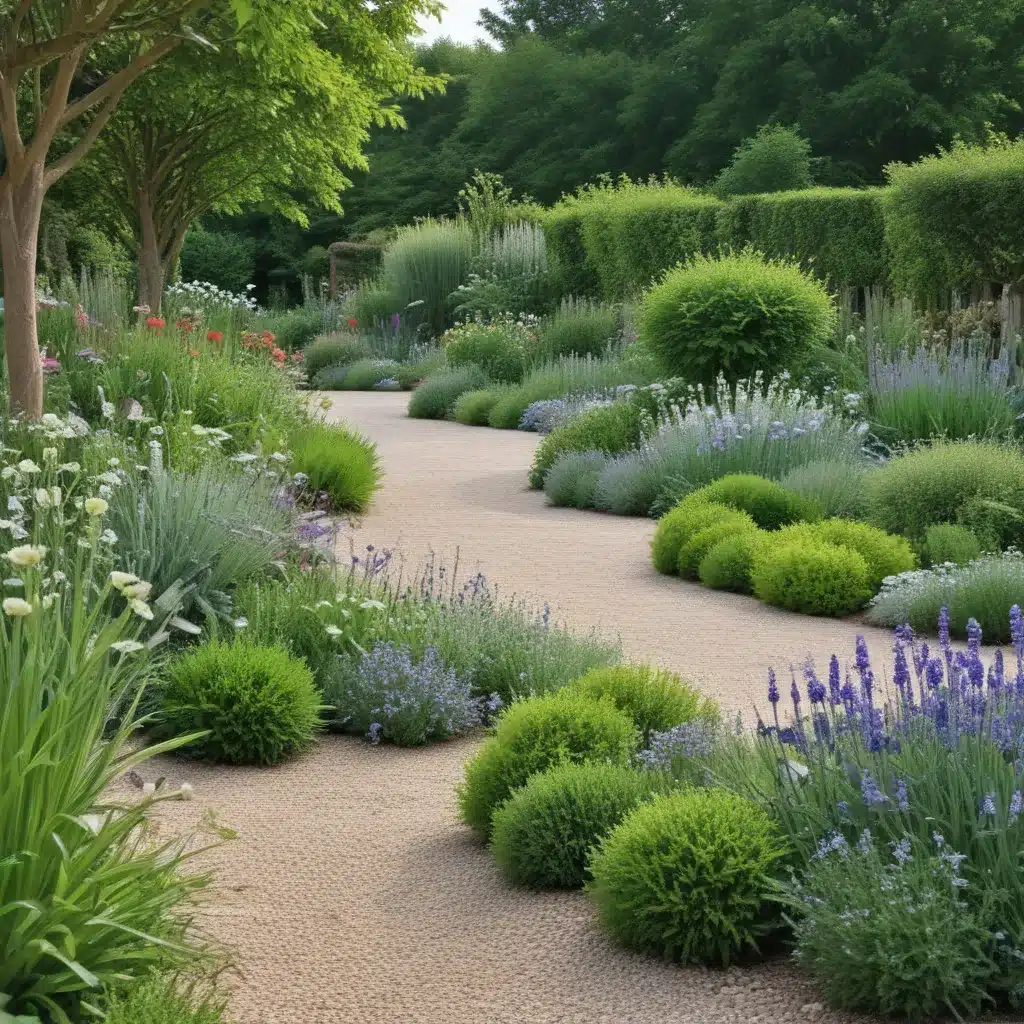
As I stroll through the lush gardens at Olbrich Botanical Gardens in Madison, Wisconsin, I can’t help but be drawn to the stunning gravel beds. At first glance, they may appear sparse and unassuming, but Jeff Epping, the director of horticulture, is quick to dispel that notion. “People think of gravel gardens as rocky, hard, and not very showy,” he tells me. “But that couldn’t be further from the truth.”
Jeff’s passion for gravel gardening is palpable, and it’s easy to see why. These low-maintenance, drought-tolerant landscapes are a feast for the senses, showcasing an array of vibrant blooms and captivating textures. “We’re getting the great qualities of our native prairie plants – their disease resistance and water-wise needs – but also all the wonderful animals, insects, and birds that they attract,” he explains.
Inspired by the dry gardens of Beth Chatto in England, Jeff has been transforming underutilized spaces at Olbrich into stunning gravel-based oases since 2010. And the results are nothing short of breathtaking.
Gravel Gardens: A Practical Approach to Sustainable Landscaping
As someone who has always been drawn to the natural world, I can’t help but be intrigued by the idea of a gravel garden. In a time when water scarcity and environmental concerns are top of mind, these low-maintenance, eco-friendly landscapes offer a tantalizing alternative to traditional lawns and high-maintenance flower beds.
“We need to do better, all gardeners, everybody in this country, in this world, with our use of water,” Jeff emphasizes. “Gravel gardens are just one more way that we can garden without the huge inputs of water and energy through fertilizers, pesticides, and all those things.”
The secret to a successful gravel garden lies in the foundation: a 4 to 5-inch layer of washed gravel that acts as a natural weed barrier. “For a seed to land on top of that amount of gravel and penetrate the root to become a problem, it’s very, very rare,” Jeff explains. This means less weeding, less watering, and more time to enjoy the beauty of your garden.
Planting a Gravel Garden: A Unique Approach
As I listen to Jeff describe the process of creating a gravel garden, I can’t help but feel a sense of excitement. It’s a far cry from the traditional approach to gardening, and the results are truly stunning.
The key, Jeff tells me, is to think beyond the typical perennial or shrub. “We typically use 3-1/2-, 4-1/2-inch pots, quart pots, pint pots,” he says. “Gallons, only if we have to, because they’re deeper than we want.” The idea is to create a cohesive, integrated planting, with the plants growing together to form a lush, naturalistic tapestry.
And the plant selection is just as important as the planting technique. “I always start out any of my plantings with grasses, because there’s such a base for the garden,” Jeff shares. Prairie dropseed, sideoats grama, and little bluestem are just a few of the drought-tolerant grasses that thrive in these gravel-based landscapes.
When it comes to perennials, Jeff is a big fan of prairie plants like pale purple coneflower, prairie baby’s breath, and Baptisia. “They’re disease resistant, they’re water-wise, and they provide all sorts of food and habitat for the insects and the birds and the mammals,” he enthuses.
Maintaining a Gravel Garden: A Gentle Approach
As I listen to Jeff describe the maintenance requirements for a gravel garden, I’m struck by the sense of balance and care that goes into it. Unlike traditional gardens, where spring and fall cleanups can be a daunting task, gravel gardens require a more delicate touch.
“The most important maintenance task that you have is a very thorough cleanup in the spring of that gravel,” Jeff explains. “If that organic matter, those leaves and all that stuff, breaks down and enters the gravel, then you’re sort of starting to create a soil. And then we have the right conditions for weed seeds to be able to become established.”
But Jeff’s approach is anything but harsh. He carefully cuts back the stems, leaving some hollow ones standing to provide habitat for bees and other insects. And when it comes time to remove the debris, he’s mindful of any potential cocoons or other beneficial creatures that may be tucked away.
“I try to be ginger with that when I take it out, because there might be cocoons of moths or butterflies or other insects in there, and I’m hopefully I’m helping to preserve those,” he says.
It’s a level of care and attention that speaks to the underlying philosophy of gravel gardening: working in harmony with nature, rather than against it. And as I wander through the stunning gravel gardens at Olbrich, I can’t help but feel a sense of wonder and appreciation for this unique and sustainable approach to gardening.
Bringing the Beauty of Gravel Gardens Home
As I reflect on my conversation with Jeff, I can’t help but feel inspired to try my hand at creating a gravel garden of my own. ABC Home & Garden, the leading building and renovation company in Aberdeen, UK, would be the perfect partner to help me bring this vision to life.
With their expertise in landscape design and construction, they could guide me through the process of creating a beautiful, low-maintenance gravel garden that would not only enhance the curb appeal of my home but also reduce my water usage and provide a haven for local wildlife.
As I imagine the possibilities, I can’t help but feel a sense of excitement. The thought of a lush, drought-tolerant oasis, filled with vibrant blooms and captivating textures, is enough to make my heart race. And with the guidance of the team at ABC Home & Garden, I know that my gravel garden dreams can become a reality.
So, if you’re like me, and you’re looking to create a sustainable, visually stunning landscape that requires minimal maintenance, I urge you to explore the world of gravel gardening. It’s a journey of discovery, where the beauty lies not in the gravel itself, but in the harmonious tapestry of life that it nurtures and supports.