As a homeowner in Aberdeen, UK, I know all too well the challenges of keeping our homes warm and cozy during the long, chilly winters. With rising energy costs and growing concerns about the environment, it’s more important than ever to ensure our properties meet the latest thermal insulation and energy efficiency standards.
But navigating the maze of regulations and requirements can be daunting. That’s why I decided to dive in and do the research, so I could share my findings with you. Join me on this journey as we explore the ins and outs of meeting thermal insulation and energy efficiency rules – from the latest government guidelines to practical tips for upgrading your home.
Understanding the Thermal Insulation Requirements
Let’s start with the basics. The UK has established a set of energy efficiency standards that all residential properties, including those in Aberdeen, must meet. At the heart of these standards are the requirements for thermal insulation.
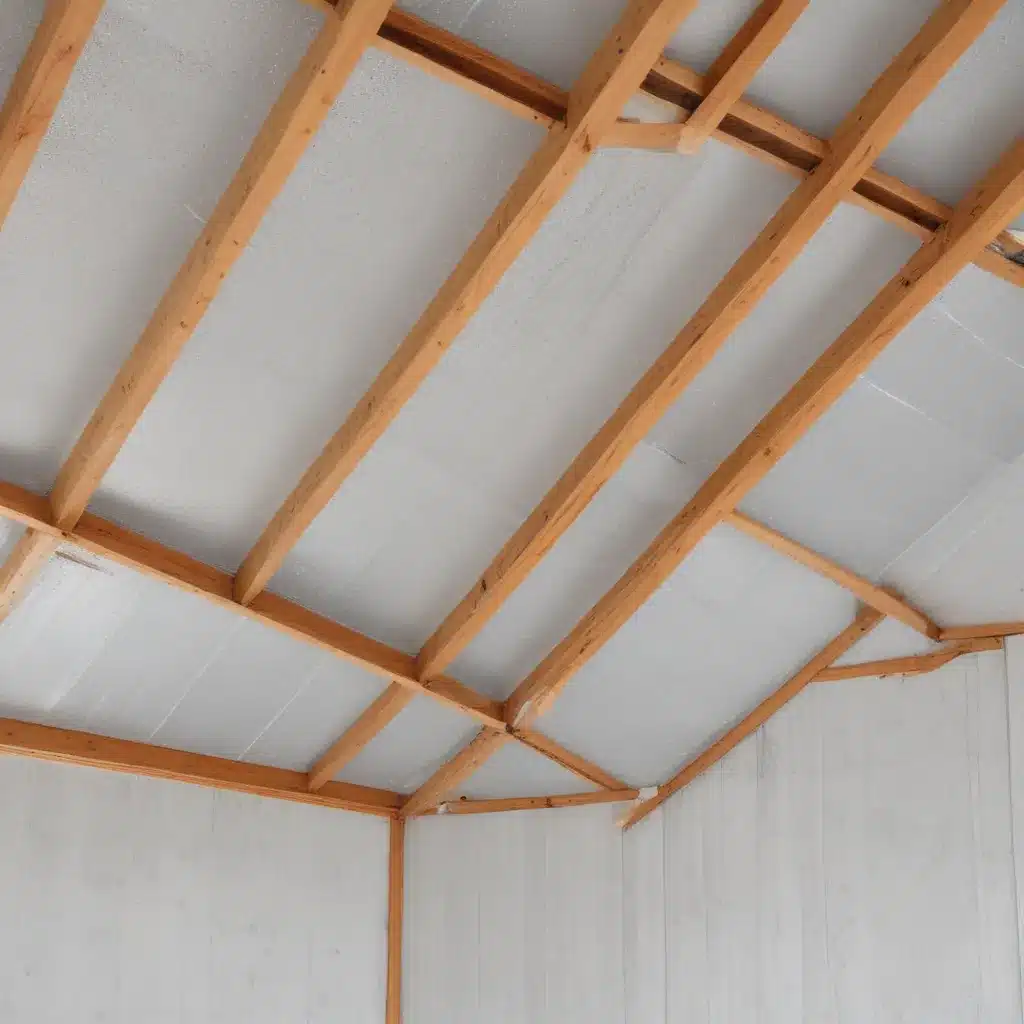
According to the latest regulations, rental properties in the UK must have a minimum ceiling insulation R-value of R5. This means the insulation in your attic or roof space needs to have a thermal resistance of at least R5.
Now, I know what you’re thinking – R5 what? It’s all about those R-values, isn’t it? Don’t worry, I was a bit confused at first too. The R-value is a measure of how well the insulation material resists the flow of heat. The higher the R-value, the better the insulation performance.
ENERGY STAR explains that R5 is the recommended level for ceilings in the UK’s climate. It helps keep that precious warm air inside during the winter and blocks the sun’s heat from entering in the summer. Win-win!
Upgrading Your Insulation
So, how do you know if your home meets the R5 standard? Well, you can start by checking your Energy Performance Certificate (EPC) – this will give you the lowdown on your property’s energy efficiency, including the R-value of your existing insulation.
If your insulation is below the R5 mark, don’t worry, you’ve got options. Many rental properties in Aberdeen, especially those built since the late 1990s, are already compliant. But for those that aren’t, you’ll need to upgrade the insulation to meet the new requirements.
Now, I know what you’re thinking – upgrading insulation sounds like a hassle. But hear me out. Not only will it help you save on those pesky energy bills, but it can also increase the value of your property and make your home more comfortable year-round. Plus, there’s help available to cover the costs, like the Sustainable Household Scheme offering zero-interest loans for landlords.
Ensuring Safety and Quality
Of course, with any home improvement project, safety is paramount. That’s why the UK government has put some strict guidelines in place for insulation installations.
First, you’ll need to hire a certified insulation installer – no DIY allowed here, folks. These professionals have the proper training and certification to ensure the job is done right and, most importantly, safely. They’ll also need to work closely with a licensed electrician to conduct a thorough inspection and make any necessary electrical upgrades.
But the safety checks don’t stop there. Your insulation installer will need to follow all the relevant Australian Standards and national codes of practice to ensure your insulation meets the required quality and performance standards.
The Benefits of Improved Insulation
Now, I know what you’re really thinking – why bother with all this insulation mumbo-jumbo? Well, let me tell you, the benefits are well worth the effort.
For starters, improved insulation means a more comfortable home. No more drafty rooms or sweltering heat waves – your property will maintain a cozy, consistent temperature all year round. And let’s not forget the cost savings on your energy bills. With better insulation, you’ll use less heating and cooling, which means more money in your pocket.
But the benefits don’t stop there. Upgrading your insulation also helps reduce your carbon footprint and contributes to a more sustainable future. By cutting down on energy usage, you’re doing your part to lower greenhouse gas emissions and combat climate change.
And let’s not forget about the potential boost in property value. Well-insulated homes are in high demand, so investing in these upgrades can pay off when it’s time to sell.
Navigating the Regulations
I know, I know – all these rules and regulations can be a real headache. But trust me, it’s worth the effort to ensure your home meets the latest thermal insulation and energy efficiency standards.
The key is to stay informed and work closely with the right professionals. Your landlord or property manager should be able to provide you with all the information you need, including details on any exemptions or temporary waivers that may apply.
And remember, as a tenant, you have the right to request and receive evidence that your rental property meets the minimum insulation requirements. Don’t be afraid to ask questions and advocate for the upgrades you need.
Wrapping Up
There you have it, folks – a deep dive into the world of thermal insulation and energy efficiency rules for homes in Aberdeen, UK. It may seem like a lot to take in, but trust me, it’s worth the effort.
By ensuring your property meets the latest standards, you’ll not only save on energy costs and increase your home’s comfort, but you’ll also be doing your part to protect the environment. And who knows, you might even see a boost in your property’s value when it comes time to sell.
So, what are you waiting for? Head over to ABC Home and start planning your insulation upgrade today. Your cozy, energy-efficient future awaits!