Unlocking the Charm of Historic Homes
Imagine your town without a single historic building or home. Doesn’t that just make you a little sad? I know it does for me. As someone who has tackled the challenge of restoring historic properties, I can tell you that preserving original character is no easy feat, but the rewards are truly special.
My very first historic tax credit renovation project was a real doozy – a circa 1880 Italianate duplex in the historic Union Hill neighborhood of Richmond, Virginia. This home had long been neglected and was in a pretty sad state when we decided to take it on. But after meticulously restoring it to its former glory, I can honestly say it’s one of my favorite projects to date. Let me take you behind the scenes of that renovation journey and share some of the key lessons I’ve learned about preserving a home’s original character.
The Allure of Historic Charm
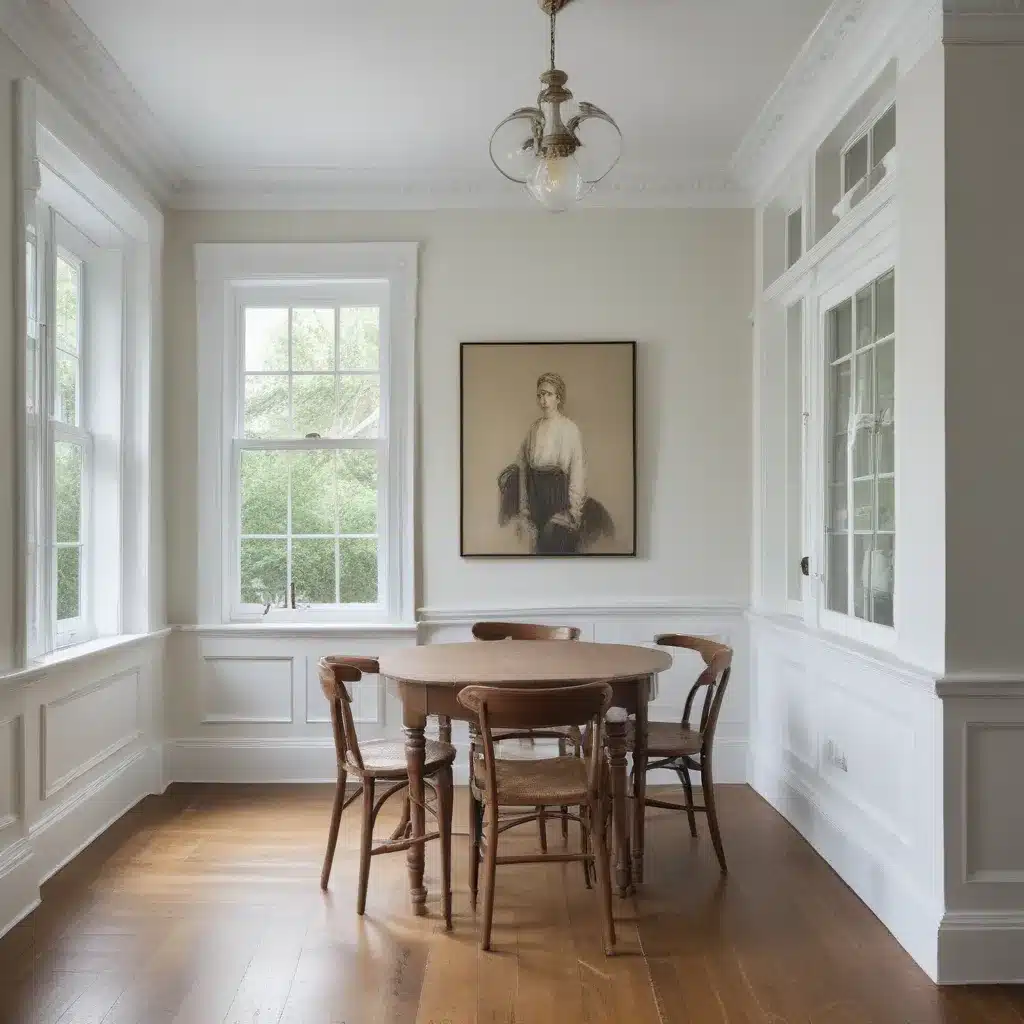
There’s just something undeniably special about historic homes. The intricate architectural details, the warm and inviting ambiance – they have a way of endearing our past to us, warts and all. From the delicate dental molding to the ornate scroll work on the stair balusters, no detail was too small for our ancestors to consider. Compared to the clean lines and sleek surfaces of modern architecture, historic homes feel like they have so much more character and personality.
But it’s not just the aesthetic appeal that makes restoring these properties worthwhile. Historically, architecture and design were rooted in sustainability before it was trendy. Repurposing and rehabilitating an existing historic structure is a far more eco-friendly approach than tearing it down and building anew. It allows us to save valuable resources, reduce our carbon footprint, and divert waste – all while preserving the rich cultural heritage of our communities.
Navigating the Challenges
Of course, restoring a historic home is not without its challenges. There’s a delicate balance to strike between updating a space to meet modern needs and standards, while still honoring the original character and craftsmanship. It requires meticulous attention to detail and a deep respect for historical accuracy.
For my 2313 Carrington project, we had to carefully research the 1880 design features and materials to ensure our renovations stayed true to the home’s original aesthetic. That meant ripping off the vinyl siding, replacing it with authentic wooden weatherboard, and installing wood windows instead of the ubiquitous vinyl. Every interior trim, molding, and baseboard had to be meticulously matched to the period-appropriate style.
And then there’s the matter of navigating the complex web of historic tax credits and regulations. The federal government and most states offer financial incentives for restoring historic properties, but the eligibility requirements can be quite stringent. You have to use materials that are like-kind to the original, preserve the floor plan, and jump through a lot of bureaucratic hoops. It’s a challenging process, but one that can pay dividends – both financially and in terms of preserving our architectural heritage.
Blending Old and New
The key to a successful historic home renovation is to strike the right balance between old and new. You want to honor the original character and craftsmanship, while still making strategic updates to improve functionality, comfort, and energy efficiency.
Take the kitchen renovation in my 2313 Carrington project, for example. We maintained the room’s original footprint and layout to stay true to the 1880 design, but we updated the cabinetry, appliances, and finishes to create a modern, yet timeless look. The same philosophy guided our approach to the living room, where we blended restored original details like the staircase with more contemporary furnishings and decor.
And when it came to the flooring, we opted for wide-plank engineered wood that unified the various rooms, rather than trying to salvage the mismatched, out-of-level original floors. Sometimes you have to make practical concessions to achieve the desired look and function, without compromising the overall historic integrity.
The Rewards of Preservation
Restoring a historic home is not for the faint of heart. It’s a labor of love that requires immense patience, attention to detail, and a willingness to navigate a complex web of regulations and bureaucracy. But for those who are up for the challenge, the rewards are truly special.
As I look back on the 2313 Carrington project, I’m filled with a deep sense of pride and accomplishment. We were able to breathe new life into a cherished piece of architectural history, preserving its original character while making it a vibrant, functional space for a new generation. And knowing that we tapped into valuable tax credits and grants made it all the more rewarding.
So if you ever have the chance to restore a historic property, I say go for it. Just be prepared for some hiccups along the way. With the right team and the right mindset, you can overcome the challenges and bring a bit of the past into the present. In the end, it will be more than worth it to see that oldie-but-goodie shine once again.