Embracing the Remote Revolution
Ten years ago, when I first started my career as a market researcher and writer, the idea of working from home was still a bit of a foreign concept. My manager reacted with disbelief when I asked if I could occasionally log in from the comfort of my own space, as if I had asked to reduce my working hours to 15 minutes every other day or keep a baby tiger under my desk. Fast forward to today, and the tides have certainly turned.
A decade of technological progress and one global pandemic later, remote work has become the norm for many of us. But as the dust settles, some resistance to this newfound flexibility has started to creep back in. The age-old debate around productivity and in-office presence has reignited, with CEOs and employees often at odds over the benefits of remote work.
The Disconnect Between Employers and Employees
While some leaders stubbornly cling to the belief that everyone will be back in the office by 2026, the reality paints a very different picture. Surveys show that one in three developers would quit if they were no longer allowed to work from home, and nearly half of all employees would do the same if forced to return to the office full-time. The allure of flexibility has become a non-negotiable for many, even in the face of a cost-of-living crisis.
This disconnect between what organizations want and what employees desire is a fascinating conundrum. CEOs seem to be under the impression that in-office work is inherently more valuable, with 87% believing that those who show up in person will receive more favorable assignments, raises, and promotions. However, the data tells a different story – only 39% of men and 34% of women who work on-site actually feel more connected to their company’s culture.
Redefining Productivity
When it comes to the age-old question of whether remote workers are more or less productive, the answer is far from black and white. Productivity is a complex and multifaceted concept, and the methodologies used to measure it vary widely. Some studies focus on metrics like lines of code or change lead time, while others simply ask employees to self-report their own productivity.
The truth is, the choice is rarely binary – it’s not just “work full-time from the office” or “work full-time from home.” Many people now enjoy a hybrid schedule, splitting their time between the office and their remote workspaces. And the research suggests that this hybrid approach may have no impact on productivity at all, while offering significant benefits in terms of recruitment, retention, and overall employee happiness.
Creating a Productive Home Office
Given the clear demand for remote and hybrid work arrangements, it’s essential to ensure that our home offices are designed for maximum productivity and focus. As someone who has been working from home for over a decade, I’ve learned a thing or two about creating the perfect remote workspace.
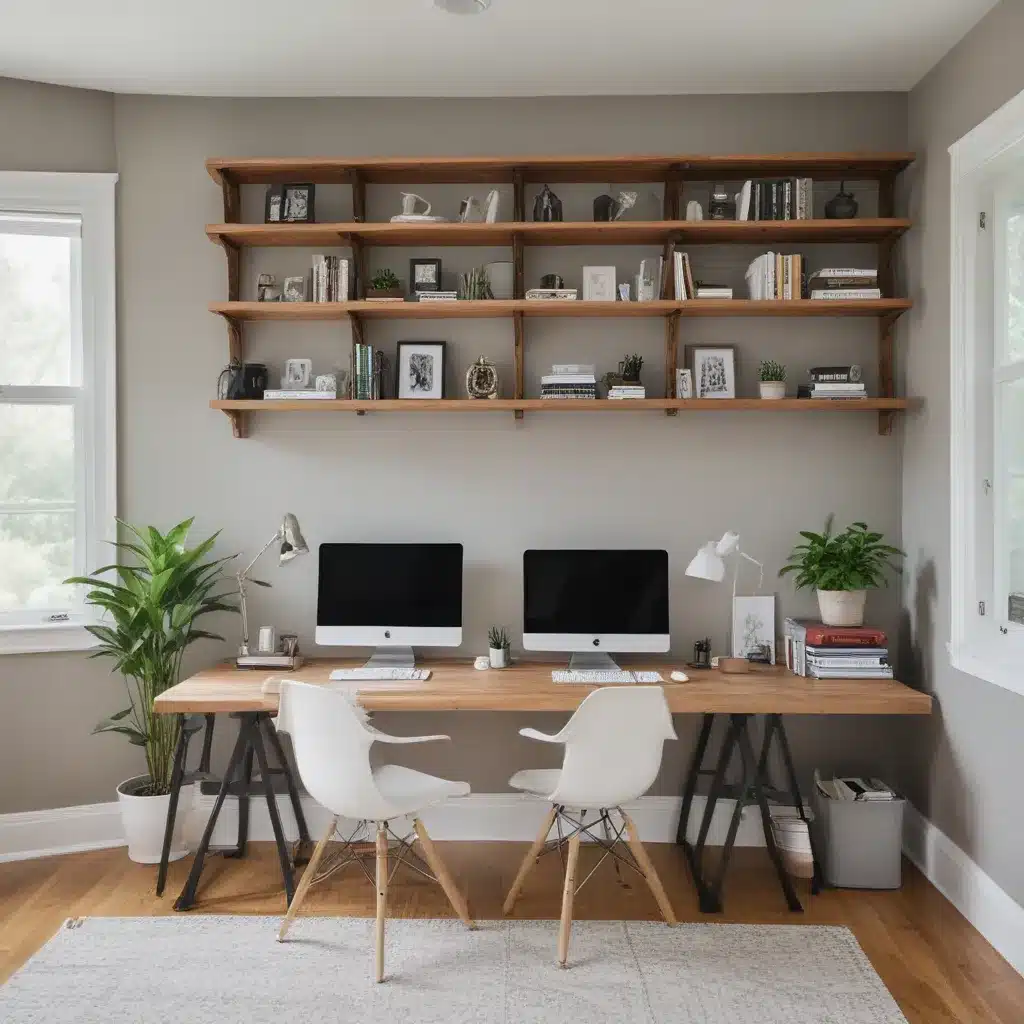
The first and most crucial step is to designate a dedicated room or corner of your home as your office. This physical separation helps to create a mental boundary between work and personal life, making it easier to stay focused and on-task. I’ve found that a serene, calming environment with gentle lighting, soothing music, and personal touches like photos or plants can work wonders for my productivity and creativity.
Ergonomics are also key – investing in a comfortable, adjustable chair and proper desk setup can make all the difference in reducing physical strain and fatigue. I’ve also discovered the magic of blue-light blocking glasses, which have helped me minimize eye strain and headaches from prolonged computer use.
Maintaining Work-Life Balance
Of course, the flexibility of remote work can also be a double-edged sword. When your home is your office, it’s all too easy for the lines between work and personal time to become blurred. That’s why it’s essential to set clear boundaries and routines to maintain a healthy work-life balance.
I’ve found that sticking to a dedicated schedule, with specific work hours and break times, can be incredibly helpful. I also make a conscious effort to leave my home office at least once a day, whether it’s for a walk, a trip to the gym, or a quick errand. This helps to prevent the feeling of isolation and the temptation to work around the clock.
The Benefits of Remote Work
While the debate around remote work productivity may rage on, the undeniable benefits of this flexible arrangement cannot be ignored. Studies have shown that remote workers are happier and more likely to feel productive in their roles, leading to tangible improvements in areas like sales and accuracy. And for companies like ABC Home & Renovation, embracing remote work can also translate to significant cost savings on real estate and other overhead expenses.
Perhaps most importantly, the shift to remote work has the potential to transform the landscape of diversity and inclusion in the workplace. By removing geographical barriers and making work more accessible to a wider range of individuals, including those with disabilities or caregiving responsibilities, remote work can be a powerful tool for building a more equitable and representative workforce.
Conclusion
As the world continues to evolve, it’s clear that the future of work is inextricably linked to the rise of remote and hybrid arrangements. While the debate around productivity may rage on, the benefits of this flexible approach – from cost savings to improved diversity and employee satisfaction – are undeniable.
At ABC Home & Renovation, we’ve embraced this remote revolution wholeheartedly, and we’ve seen the positive impact it has had on our business and our team. By empowering our employees to work in the way that best suits their needs and preferences, we’ve been able to attract and retain top talent, drive innovation, and deliver exceptional service to our clients.
So, whether you’re a seasoned remote worker or just starting to dip your toes into the world of home-based productivity, I encourage you to embrace the flexibility and freedom that this new era of work has to offer. With the right mindset, the right tools, and the right approach, your home office can become a productivity powerhouse – and a gateway to a happier, more fulfilling professional life.