The Thrill of the Hunt
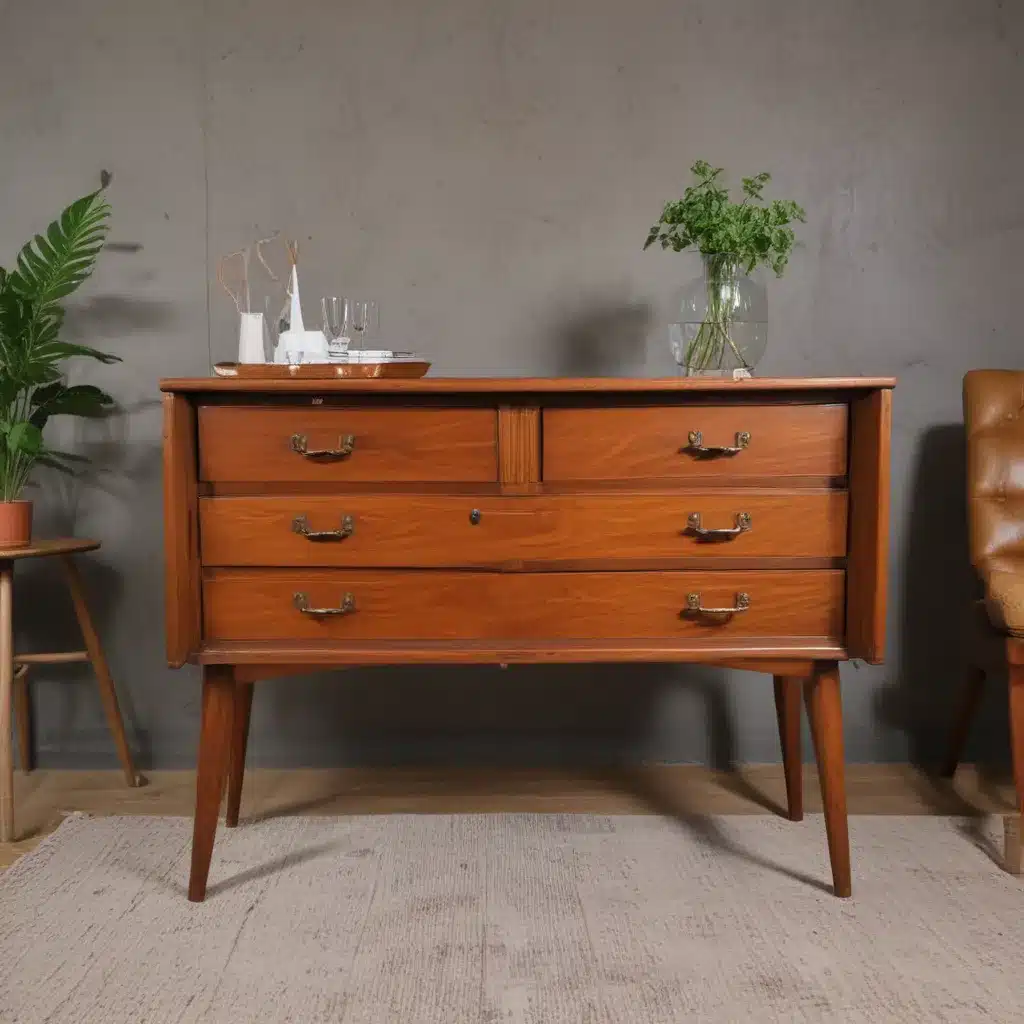
As a self-proclaimed vintage furniture enthusiast, I’ve learned that the joy of the hunt is just as exciting as the final score. Whether you’re scouring flea markets, sifting through online listings, or exploring antique shops, the search for that perfect piece can feel a bit like a treasure hunt. And when you finally uncover a genuine vintage gem – one that’s not only visually stunning but also crafted with quality and care – it’s an unparalleled feeling.
But let’s be honest, navigating the world of vintage furniture can be a bit daunting, especially for the uninitiated. With so many reproductions and “faux-tique” pieces out there, it can be challenging to separate the wheat from the chaff. That’s why I’m here to share my hard-earned tips and tricks for spotting quality vintage furniture that will stand the test of time (and trends).
Dig Deeper Than the Surface
One of the biggest mistakes people make when hunting for vintage furniture is getting caught up in the surface-level aesthetics. Sure, a piece might look absolutely gorgeous at first glance, but true quality lies beneath the surface. That’s why it’s crucial to take the time to inspect each potential find thoroughly.
Start by examining the construction. Look for sturdy, well-made joints – think dovetailing, mortise and tenon, or even doweled connections. These time-honored techniques are a telltale sign of quality craftsmanship. Avoid anything that’s solely held together with staples, glue, or flimsy nails.
Next, take a closer look at the materials. Real wood, whether solid or veneered, is always preferable to particle board, laminate, or other composite materials. And don’t be fooled by faux finishes – genuine antique furniture will show its age through natural wear and patina, not a manufactured “distressed” look. As the experts at Home Theology point out, “Real wood pieces can always be sanded and refinished, as opposed to particle board, laminate, composite materials, MDF, or thin plywood.”
Dig Into the Details
Once you’ve evaluated the core construction and materials, it’s time to delve into the finer details. Start by searching for any labels, stamps, or markings that could provide clues about the piece’s origins. As the folks on r/Mid_Century advise, “Letters and numbers are your best friends when it comes to antique furniture. Make sure to search for labels, stamps, or manufacturing tags that can tell when and where a piece was made.”
If you’re lucky enough to find a piece with clear provenance, it’s a good indication that you’re dealing with a quality, authentic vintage item. But even if the furniture doesn’t have any visible markings, there are still ways to assess its pedigree. Take a close look at the hardware, hinges, and other small details – are they made with the same care and attention as the larger elements? Irregularities and imperfections can actually be a good sign, as they suggest the piece was crafted by human hands, not mass-produced by machines.
Trust Your Instincts (and Your Senses)
At the end of the day, there’s no substitute for good old-fashioned intuition when it comes to spotting quality vintage furniture. As you gain more experience scouring flea markets and antique shops, you’ll start to develop a keen eye for what’s truly special.
Don’t be afraid to put your hands on a piece and really get a feel for it. Give drawers a gentle tug, run your fingers along the edges, and pay attention to the weight and heft of the furniture. Does it have a satisfying, substantial quality, or does it feel lightweight and flimsy? As the experts at Apartment Therapy recommend, “Heavy is generally a great thing when it comes to furniture construction- for both casegoods (like wood pieces) and upholstered furniture.”
And don’t forget to use your other senses as well. Give the piece a good sniff – does it have the rich, earthy aroma of aged wood, or does it smell like a factory-fresh reproduction? And if it’s an upholstered item, run your hands over the fabric to get a sense of its quality and condition. Chances are, if something looks or feels “off,” your instincts are onto something.
Embrace the Hunt (and the Haggle)
At the end of the day, the thrill of the hunt is what makes vintage furniture hunting so addictive. And as with any good treasure hunt, a little bit of negotiation can go a long way. Don’t be afraid to politely inquire about the seller’s pricing, especially if you suspect the item is overpriced.
As the experts at Boston Magazine advise, “If an item is listed at a higher price than I’m wanting to pay, a few factors play into whether I offer a lower price or not: If it’s what I think is a fair price for the item, I will consider if I want to pay the asking price or keep looking for a less expensive listing. If the pricing doesn’t follow my general rules, I will offer what I think is a fair price based on the condition of the item.” Remember, the worst they can say is no – and you might just end up scoring an incredible deal.
So, the next time you find yourself wandering through the aisles of your local antique shop or scrolling through endless online listings, keep these tips in mind. With a discerning eye, a little bit of elbow grease, and a whole lot of patience, you’re bound to uncover the perfect vintage piece to add that one-of-a-kind charm to your ABC Home renovation. Happy hunting!