Nature’s Air Cleaners: The Magical Cottonwood
Cottonwood puffs are not just a nuisance – they’re Nature’s little air purifiers, sweeping the breeze clean of pollen as they tumble. You see, these fluffy female seeds have a negative charge that attracts and captures the positively charged male pollen grains. As they float on the wind, they’re gathering up those pesky allergens, weighing themselves down until they sink to the ground. Sure, they might look messy, but each new cottonwood tree sprouting from those puffs is a gift.
These majestic native trees have been treasured for millennia by Native American tribes, who used the wood, bark, leaves, and resin for everything from masks and medicine to canoes and carrying bags. The sticky cottonwood buds even provided the key ingredient for making glue and protecting beehives. But today, this “trash tree” is often cut down because of its fluffy mess and towering size. What a shame – these natural air purifiers deserve so much more respect.
The Beauty in Messy
You know, the idea that any plant is “trash” comes from a colonial mindset that sees the natural world as something to be tamed and controlled. This wrongheaded thinking is why we’ve destroyed so many ecosystems, replacing them with the same monotonous lawns and hedges. But when we let nature take over, the results can be truly breathtaking.
I’ll never forget the first time I let a neglected patch of my garden go “wild.” At first, it looked a bit messy and unkempt, with weeds popping up everywhere. But over time, that patch transformed into a vibrant tapestry of colors and textures – native wildflowers, grasses, and even the occasional volunteer tree. The buzzing of happy pollinators filled the air, and I felt a sense of wonder watching this little ecosystem thrive.
Sure, it takes some getting used to, seeing nature in all its unruly glory. But if we can learn to appreciate the beauty in that “messiness,” we’ll be rewarded with a garden that’s truly alive, humming with the activity of bees, butterflies, and birds. It’s all about letting go of that need to control every aspect of our outdoor spaces and embracing the wild abundance that nature has to offer.
Sweetgrass and the Art of Rewilding
One of my favorite prairie plants has been the fragrant sweetgrass, Hierochloe odorata. Also known as “vanilla grass,” this sturdy perennial has been used for centuries by Native American tribes in braids, baskets, and smudging ceremonies. And as I’ve discovered, it’s a real champion when it comes to thriving with a bit of benign neglect.
Last year, I planted a few sweetgrass starts, and with the help of a kind neighbor who watered them while I was away, they took off and spread into a lovely tangle. I had planned to share some of the starts with local Tribal basketmakers and weavers, but then I stumbled upon an even better opportunity. While visiting the stunning new library and museum of the Jamestown S’Klallam Tribe, I learned that they’re working on restoring the native prairie – an ecosystem that’s sadly lost over 97% of its original extent.
Sweetgrass used to be a common sight in these prairies, so the Tribe was thrilled to accept my offer of starts. I came home determined to pot up as many as I could to share, because I discovered that our neighboring Tribe is also eager to get their hands on this fragrant plant for their own prairie restoration efforts. It’s been such a joy to play a small part in bringing back this important piece of the natural world, and to connect with the Tribal communities who are leading the way in rewilding.
Surviving the Winter of Woe
As I surveyed the aftermath of our recent brutal winter, I couldn’t help but feel a sense of both loss and renewed opportunity. So many of my beloved plants succumbed to the relentless cold – cabbage palms, New Zealand flax, even some hardy lavenders and rosemaries. I was particularly heartbroken to see my mature horehound plants turned into lifeless grey ghosts.
But as I cleared away the dead, I also discovered glimmers of hope. The hardy fuchsias that had made it through previous winters were mostly toast, but I noticed a few brave new shoots emerging. And in my unheated sunporch, a small clutch of survivors stood strong – an aloe, a young tea camellia, a jasmine, and a solitary begonia. Even the once-drooping Fatsia japonica leaves had bounced back, glossy and sturdy.
It’s a bit daunting trying to figure out what to plant as replacements, both indoors and out. But as I surveyed the surviving perennials, shrubs, and hardy annuals, I realized this was a chance to try some new things. Maybe I’ll experiment with planting the fuchsias a bit deeper next time, or explore more prairie plants like the ever-resilient sweetgrass. After all, this “Land of Opportunity” is just begging to be filled with new life and adventure.
Turning Lawns into Meadows
Every spring, I get asked the same questions: how do I keep my lawn free of weeds and moss? Personally, I think the better question is, why bother with a lawn at all? Those vast expanses of turf grass are such a waste of resources – all that mowing, fertilizing, and fighting against nature.
Why not ditch the lawn and turn your yard into a vibrant meadow instead? Just join the No Mow May movement and let those dandelions and daisies bloom. You’ll be amazed at how quickly your lawn can transform into a flower-filled oasis, buzzing with happy pollinators.
Of course, not everyone shares my enthusiasm for a more natural landscape. In some neighborhoods, having a perfectly manicured lawn is seen as a badge of honor, a symbol of wealth and good citizenship. But as we continue to learn about the vital role that pollinators play in our ecosystems, it’s time to rethink this outdated notion. After all, those “weeds” aren’t weeds at all – they’re an essential part of a healthy, thriving garden.
So why not take the plunge and start converting your lawn into a meadow? It’s as simple as letting the grass grow tall in May, then introducing some native wildflowers and bulbs. Before long, you’ll have a lush, diverse landscape that’s teeming with life – and you won’t have to lift a finger to maintain it. Sounds like a win-win to me!
Pollen Season is for the Pollinators
As someone who struggles with allergy symptoms during pollen season, I’m truly grateful for all the hard-working pollinators out there. Every time a bee or butterfly collects pollen, that’s one less grain of the stuff I have to deal with. And the more we can do to support these incredible creatures, the better off we’ll all be.
That’s why I love the idea of planting pollinator-friendly gardens and converting lawns into meadows. Not only do these spaces provide vital habitat and food sources for bees, butterflies, and other pollinators, but they also help to reduce the overall pollen load in the air. It’s a win-win for nature and allergy sufferers alike.
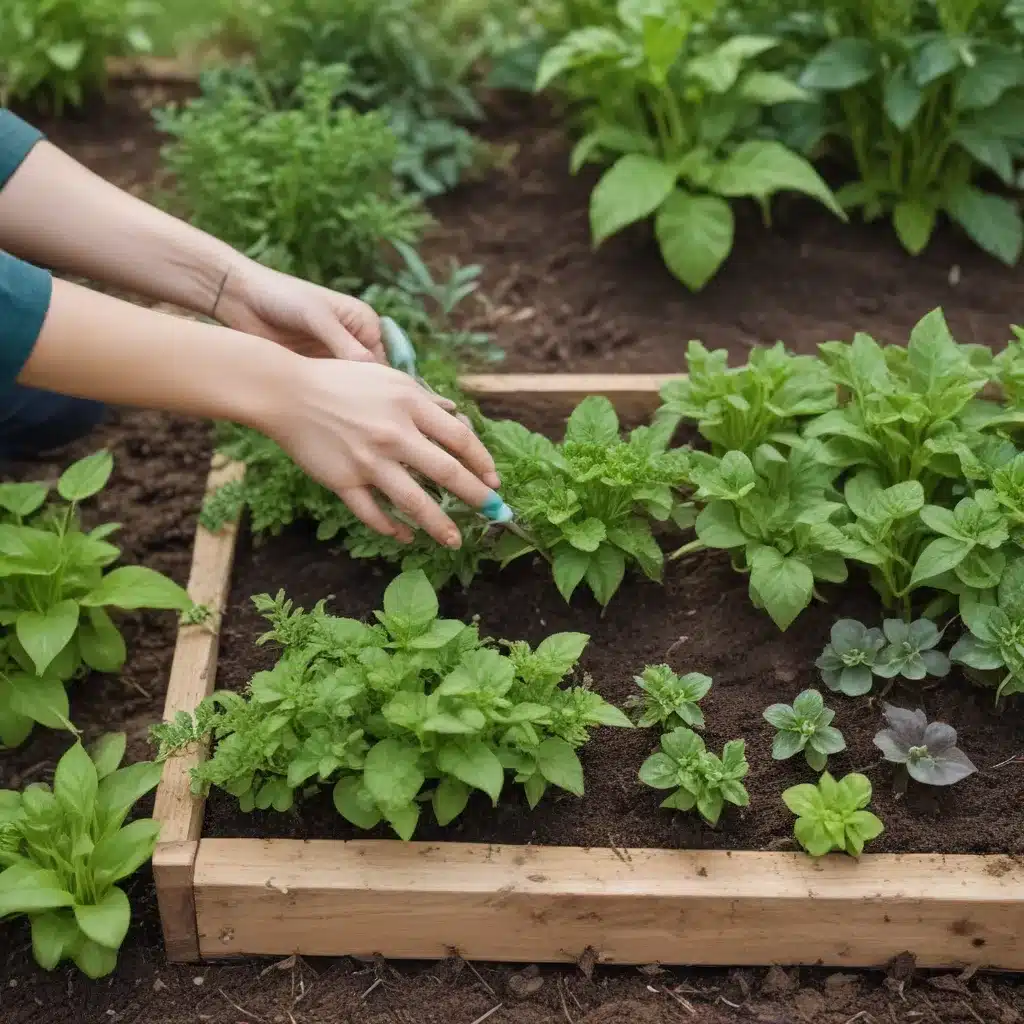
Of course, transforming a large lawn into a meadow can seem like a daunting task. But you don’t have to tackle the whole thing at once. Start small, carving out a little patch here and there. Cover the exposed soil with compost and wood chips, then plant some native wildflowers and perennials. As those plants start to spread and self-seed, you can gradually expand your meadow, one section at a time.
And don’t be afraid to let a few “weeds” take hold – chances are, they’re actually native species that are essential for local pollinators. With a little patience and observation, you’ll start to learn which plants are welcome visitors and which ones need to be gently removed. Before long, you’ll have a thriving, diverse garden that’s a joy to behold.
So the next time you find yourself sniffling and sneezing during pollen season, remember that those little grains of gold are the lifeblood of our pollinators. By creating spaces that support them, you’re not just making your garden more beautiful – you’re also doing your part to clean the air and keep nature in balance. Sounds like a win-win to me!