As an Aberdeen local, I know all too well the unpredictable nature of our weather. One minute, we’re basking in the rare sunshine, and the next, we’re battling torrential downpours that could give Noah’s flood a run for its money. And when it comes to our water supply, we’ve got to be just as prepared for the worst.
Imagine this: you’re cozied up on the couch, binge-watching the latest hit series, when suddenly, the taps run dry. No water for your morning cuppa, no filling the kettle, and heaven forbid, no flushing the loo. It’s a nightmare scenario, but one that’s all too real for many of us in the northeast.
That’s why I’ve put together this comprehensive guide to help you, my fellow Aberdeen residents, get your water supply in tip-top shape. From stocking up on emergency water to winterizing your pipes, we’ll cover it all. So, grab a cuppa (while you still can!) and let’s dive in.
Preparing for the Unexpected: Creating an Emergency Water Supply
Let’s start with the basics: having a reliable emergency water supply. The Centers for Disease Control and Prevention (CDC) recommends that every household have at least one gallon of water per person per day for at least three days. That means a family of four would need a minimum of 12 gallons of water on hand.
But where do you even begin? The CDC suggests that the safest and most reliable option is to stock up on commercially bottled water. These are often specifically designed for long-term storage, so you can rest assured that your water will stay fresh and clean. Just make sure to check the expiration date and rotate your supply every six months or so.
If bottled water isn’t an option, you can also fill up clean, food-grade containers with water from your taps. Just be sure to thoroughly clean and sanitize the containers first. The key is to avoid using anything that’s been previously used for storing toxic chemicals, like bleach or pesticides.
Now, I know what you’re thinking: where on earth am I going to store all this water? Don’t worry, you don’t need a dedicated water bunker. Get creative! Tuck those bottles under the stairs, in the garage, or even in the spare bedroom closet. The key is to keep them out of direct sunlight and in a cool, dry place.
Protecting Your Pipes: Winterizing Your Water Supply
As if water shortages weren’t enough, we also have to contend with the ever-present threat of frozen pipes. And trust me, you do not want to be the one dealing with a burst pipe in the middle of a blizzard.
That’s why it’s crucial to winterize your water supply before the cold weather hits. The Texas Commission on Environmental Quality has some great tips to help you get started:
- Insulate exposed pipes, especially those in unheated areas like the attic, garage, or crawl space. You can use foam pipe insulation or even old towels and rags in a pinch.
- Shut off the water supply to outdoor faucets and sprinkler systems, and drain any remaining water.
- If you have a water meter, make sure to insulate it as well. A frozen meter can lead to costly repairs down the line.
- Consider installing a whole-house water shut-off valve. That way, if a pipe does burst, you can quickly turn off the water to the entire house and minimize the damage.
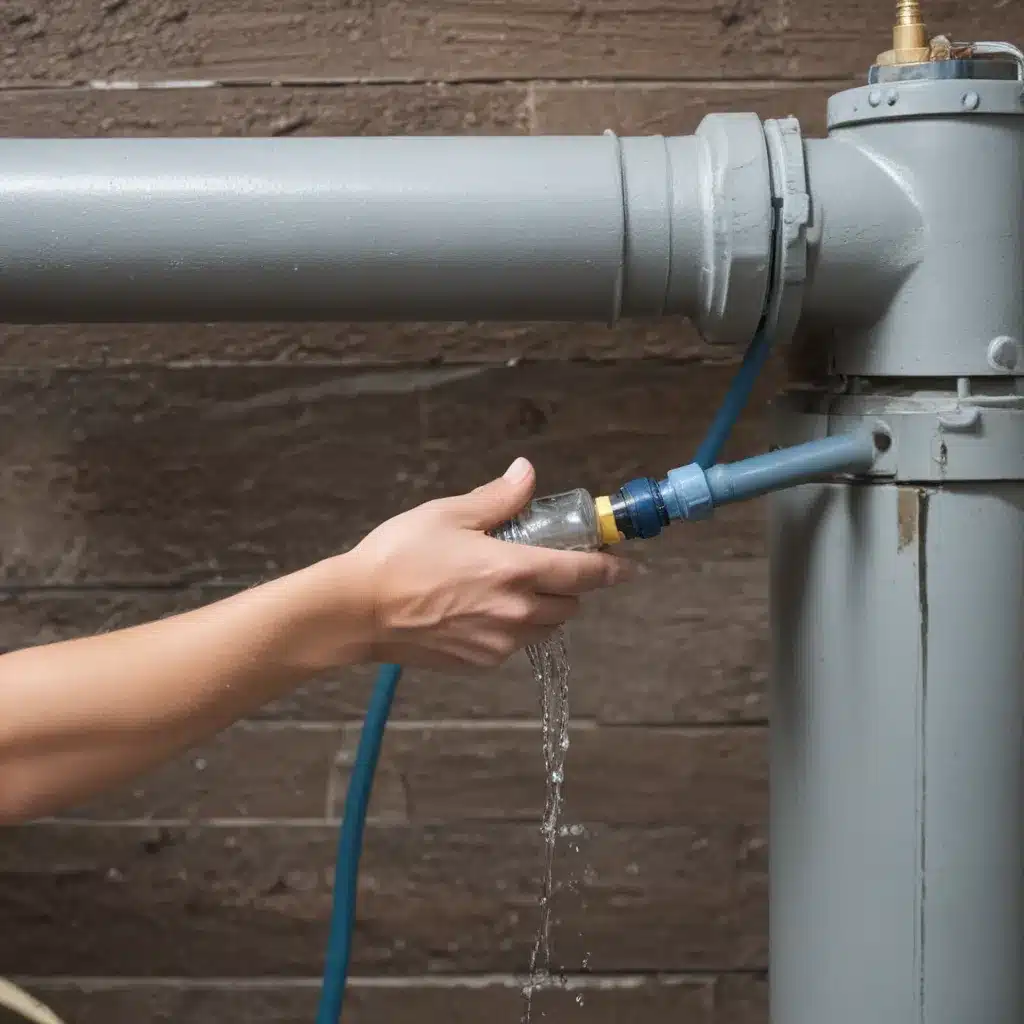
And don’t forget about your outdoor taps! The American Red Cross recommends disconnecting any hoses, draining the water from the pipes, and covering the faucet with an insulated sleeve or faucet cover.
By taking these proactive steps, you can help ensure that your water supply stays flowing, even when the temperature drops.
Maintaining Water Quality: Protecting Your Home’s Water System
Now, let’s talk about the quality of your water. After all, what’s the point of having a reliable water supply if it’s not safe to drink?
The New York State Department of Health has some great advice on maintaining the integrity of your home’s water system. First and foremost, it’s crucial to keep your pipes and plumbing fixtures clean and well-maintained.
Over time, sediment and mineral buildup can clog your pipes, leading to decreased water pressure and potential contamination. That’s why it’s a good idea to have your system professionally inspected and serviced on a regular basis.
And speaking of contamination, you’ll also want to be on the lookout for any signs of trouble, like discolored or foul-smelling water. If you suspect an issue, don’t hesitate to contact your local water authority or a qualified plumber.
Remember, your health and safety should always be the top priority. By taking the time to ensure your water supply is clean and reliable, you can rest easy knowing that your family is protected, no matter what Mother Nature throws our way.
Staying Informed and Prepared
As an Aberdeen resident, I know that being prepared for the unexpected is just part of the deal. But with a little planning and a few simple steps, you can help ensure that your water supply is ready to weather any storm.
So, what are you waiting for? Head on over to ABC Home Renovations and stock up on all the supplies you need to get your water system in tip-top shape. And remember, knowledge is power – stay up-to-date on the latest news and tips from reliable sources like the CDC, TCEQ, and Red Cross.
Here’s to a future filled with clean, reliable water – and maybe even the occasional (planned) power outage to keep things interesting!