Unleash Your Green Thumb: A Beginner’s Guide to Growing Your Own Produce
As the sun-dappled days of spring unfold, I find myself increasingly captivated by the idea of nurturing my own little oasis of edible delights. In times of uncertainty, the prospect of cultivating a thriving garden, bursting with flavor and nutrient-dense goodness, feels like the perfect antidote to the stresses of the world. And let me tell you, I’m not alone in this newfound gardening fever.
Over the past year, I’ve had countless conversations with friends who, like me, have discovered a deep appreciation for the simple pleasures of growing our own food. It’s as if the universe has conspired to nudge us back towards our roots, reminding us of the joy and fulfillment that can be found in tending to the earth’s bounty.
If you’re one of the many individuals who has been bitten by the gardening bug, I’m here to share my hard-won lessons and expert advice to help you embark on your own soil-enriching adventure. Whether you have a sprawling backyard or a modest balcony, I’m confident that you can create a bountiful and beautiful edible garden, even if you consider yourself a complete novice.
The Secret to Gardening Success: Knowing Your Climate and Soil
Before we dive into the specifics of which veggies and herbs to grow, I want to emphasize the importance of understanding your local climate and soil conditions. After all, the key to a thriving garden is tailoring your plant selections to the unique characteristics of your environment.
One of the first steps I recommend is determining your USDA Hardiness Zone. This simple tool, provided by the United States Department of Agriculture, will give you a clear idea of the average annual winter temperatures in your area, which is crucial information for selecting the right plants.
But don’t stop there – you’ll also want to assess the quality and composition of your soil. Is it heavy and clay-like, or light and sandy? Does it drain well, or does it tend to stay moist for extended periods? Knowing the specifics of your soil will help you amend it with the right nutrients and amendments to create the perfect growing medium for your chosen veggies and herbs.
The Easiest Veggies to Grow for Beginner Gardeners
Now, let’s talk about the stars of the show – the veggies that are practically foolproof for new gardeners. These are the plants that will reward your efforts with bountiful harvests, even if you’re still learning the ropes.
Leafy Greens
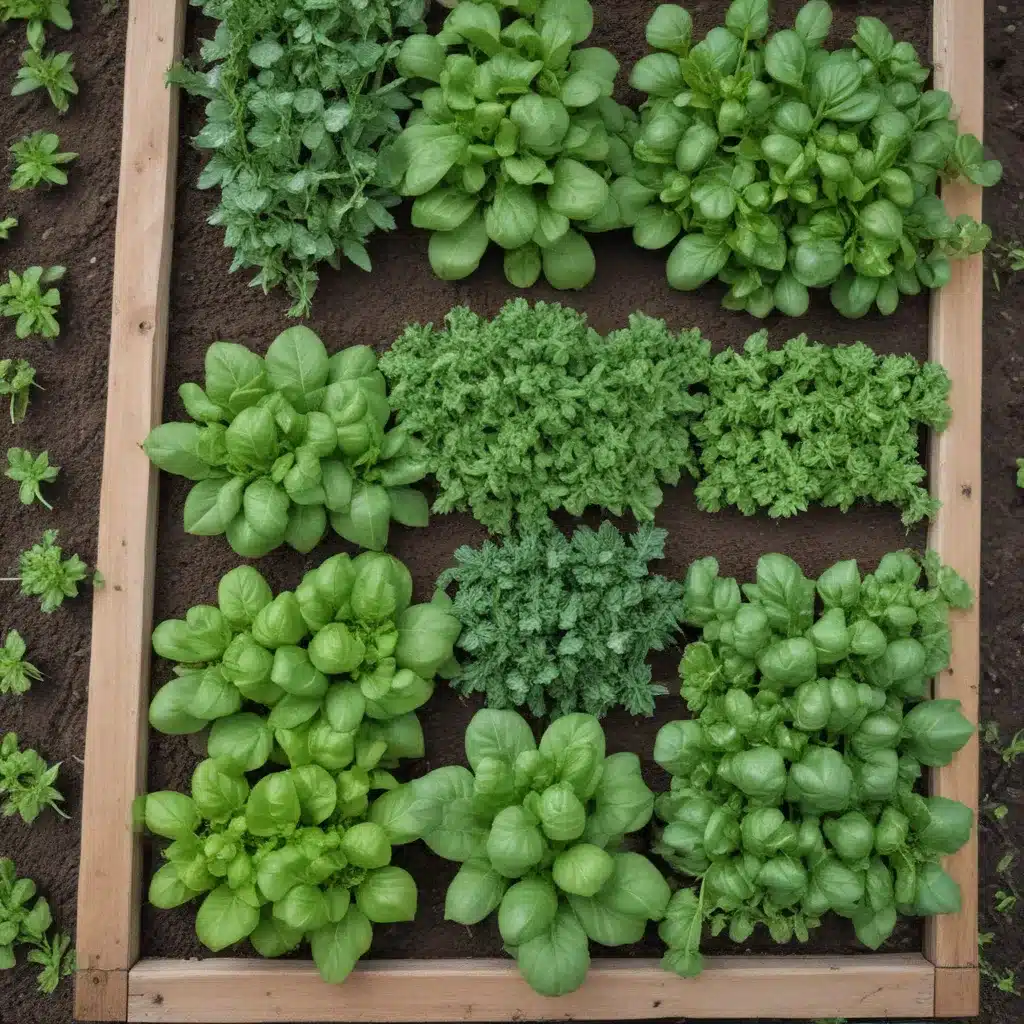
One of the easiest and most rewarding veggies to grow is the humble leafy green. Arugula, kale, and lettuce varieties thrive in a wide range of climates and soil types, making them the perfect gateway crops for novice gardeners. Plus, you can start harvesting the leaves in as little as 4-6 weeks, giving you a delicious crop to enjoy in no time.
When it comes to leafy greens, I recommend opting for a mix of varieties to keep your salad bowl interesting. Experiment with different textures and flavors, from the peppery bite of arugula to the creamy sweetness of butterhead lettuce. And don’t forget to consider the unique growing requirements of each type, as some may prefer partial shade while others thrive in full sun.
Root Veggies
If you’re looking for a satisfying crop that delivers a real sense of accomplishment, look no further than root vegetables. Carrots, radishes, and beets are all relatively easy to grow, with the added bonus of being able to enjoy the fruits of your labor straight from the earth.
Carrots, in particular, are a great choice for beginner gardeners. Just be sure to plant them in loose, well-drained soil and protect them from pesky critters that may find their lush greens irresistible. With a little patience and care, you’ll be rewarded with an impressive harvest of sweet, crunchy carrots.
Beans and Peas
When it comes to easy-to-grow veggies, you can’t go wrong with beans and peas. These climbing plants are not only productive, but they also have the added benefit of fixing nitrogen in the soil, which can improve the health of your entire garden.
Green beans and sugar snap peas are excellent choices for beginner gardeners, as they thrive in a wide range of climates and soil conditions. And the best part? You can start harvesting their delectable pods in just 6-8 weeks after planting.
The Easiest Herbs for Novice Gardeners to Grow
While veggies are the star of the show, no edible garden would be complete without a bounty of fragrant and flavorful herbs. Fortunately, there are several varieties that are well-suited for even the most novice of green thumbs.
Chives and Green Onions
If you’re looking for an herb that practically grows itself, chives and green onions are the way to go. These members of the allium family are incredibly resilient and require minimal effort to cultivate. Simply plant the bulbs, water them regularly, and soon you’ll have a steady supply of chive stems and green onion tops to snip and add to your culinary creations.
Bonus tip: For an extra-easy green onion crop, simply save the root ends from your store-bought green onions, place them in a glass of water, and watch as new greens emerge. It’s a wonderfully low-maintenance way to enjoy this versatile herb.
Basil and Mint
No edible garden is complete without the aromatic duo of basil and mint. These herbs are not only easy to grow, but they also boast a range of flavorful uses, from pesto and caprese salads to refreshing mojitos and herbal teas.
Basil is particularly well-suited for novice gardeners, as it thrives in warm, sunny conditions and can be harvested regularly throughout the season. And when it comes to mint, its vigorous growth habit means you’ll have an abundant supply, even in a small space.
Just be mindful that mint, in particular, can be an aggressive spreader, so it’s best to contain it in a pot or dedicated garden bed to prevent it from taking over your entire plot.
Rosemary and Thyme
If you’re looking for herbs that are as hardy as they are flavorful, rosemary and thyme are excellent choices. These Mediterranean-inspired plants are well-suited to hot, dry conditions and require minimal maintenance once established.
Rosemary, with its distinctive pine-like aroma, is a true workhorse in the garden, thriving in full sun and well-drained soil. And thyme, with its delicate yet earthy flavor, is equally easy to grow, making it a versatile addition to any herb collection.
Maximizing Your Edible Garden, No Matter the Space
One of the best things about growing your own veggies and herbs is that you don’t need acres of land to get started. In fact, even the most space-challenged gardeners can enjoy the bounty of a thriving edible oasis.
If you’re short on square footage, consider container gardening. Many of the veggies and herbs we’ve discussed, such as tomatoes, peppers, and leafy greens, are perfectly happy growing in pots and planters. Just be sure to choose the right-sized container and provide ample drainage to ensure your plants thrive.
Alternatively, if you have a bit more space to work with, a raised garden bed can be an excellent solution. Not only do these elevated planting areas make it easier to tend to your crops, but they also allow you to create the perfect soil blend for your chosen veggies and herbs.
And don’t forget, even if you don’t have a traditional garden space, you can still enjoy the benefits of homegrown produce. ABC Home offers a wide range of gardening solutions, from compact grow bags to innovative vertical planting systems, to help you make the most of even the smallest outdoor areas.
Cultivating a Healthy, Vibrant Garden, One Step at a Time
As you embark on your gardening journey, remember that the key to success is to start small, be patient, and have fun. Rome wasn’t built in a day, and the same goes for a thriving edible oasis.
Begin by focusing on a few of the easy-to-grow veggies and herbs we’ve discussed, and don’t be afraid to experiment. As you gain experience and confidence, you can gradually expand your garden, trying new varieties and techniques. And don’t forget to lean on your local garden center or online communities for advice and inspiration along the way.
After all, the true joy of gardening lies not just in the bountiful harvests, but in the process of nurturing your little plot of earth. So, grab your trowel, get your hands dirty, and enjoy the journey as you transform your outdoor space into a verdant, edible paradise.