The Beauty of Aging in Place
I’ll never forget the day my dad came to me with a nervous look on his face. “I think it’s time we start thinking about moving to an assisted living facility,” he said. My heart sank. My dad, the same man who had always been so independent and strong-willed, was finally admitting he needed help.
As we researched options, I was struck by how limited the choices seemed. Most of the facilities we toured felt cold and institutional – the opposite of the warm, comfortable home my dad had lived in for decades. And the thought of uprooting him, away from the neighbors and community he loved, was heartbreaking. There had to be a better way.
That’s when I discovered the concept of universal design and aging in place. The idea that a home could be designed and modified to accommodate changing needs, without sacrificing style or comfort, was revolutionary. It was the perfect solution for my dad – and millions of other aging adults who dream of staying in the homes and communities they cherish.
The Power of Universal Design
Universal design is all about creating environments that are accessible and usable by all people, regardless of their age, size, or ability. It’s not about making a home look institutional or “handicapped” – it’s about seamlessly integrating features that make life easier and safer for everyone who lives there.
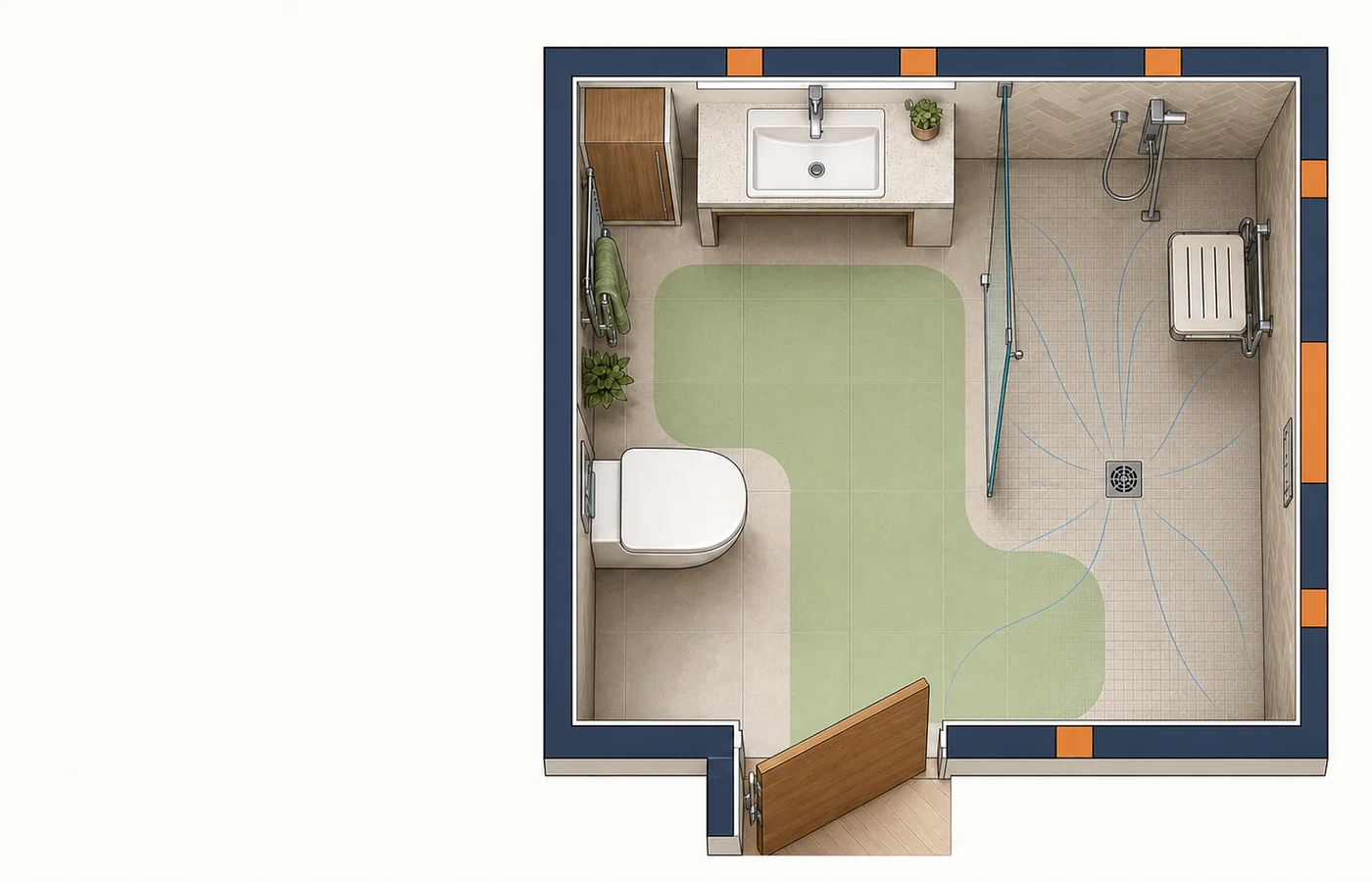
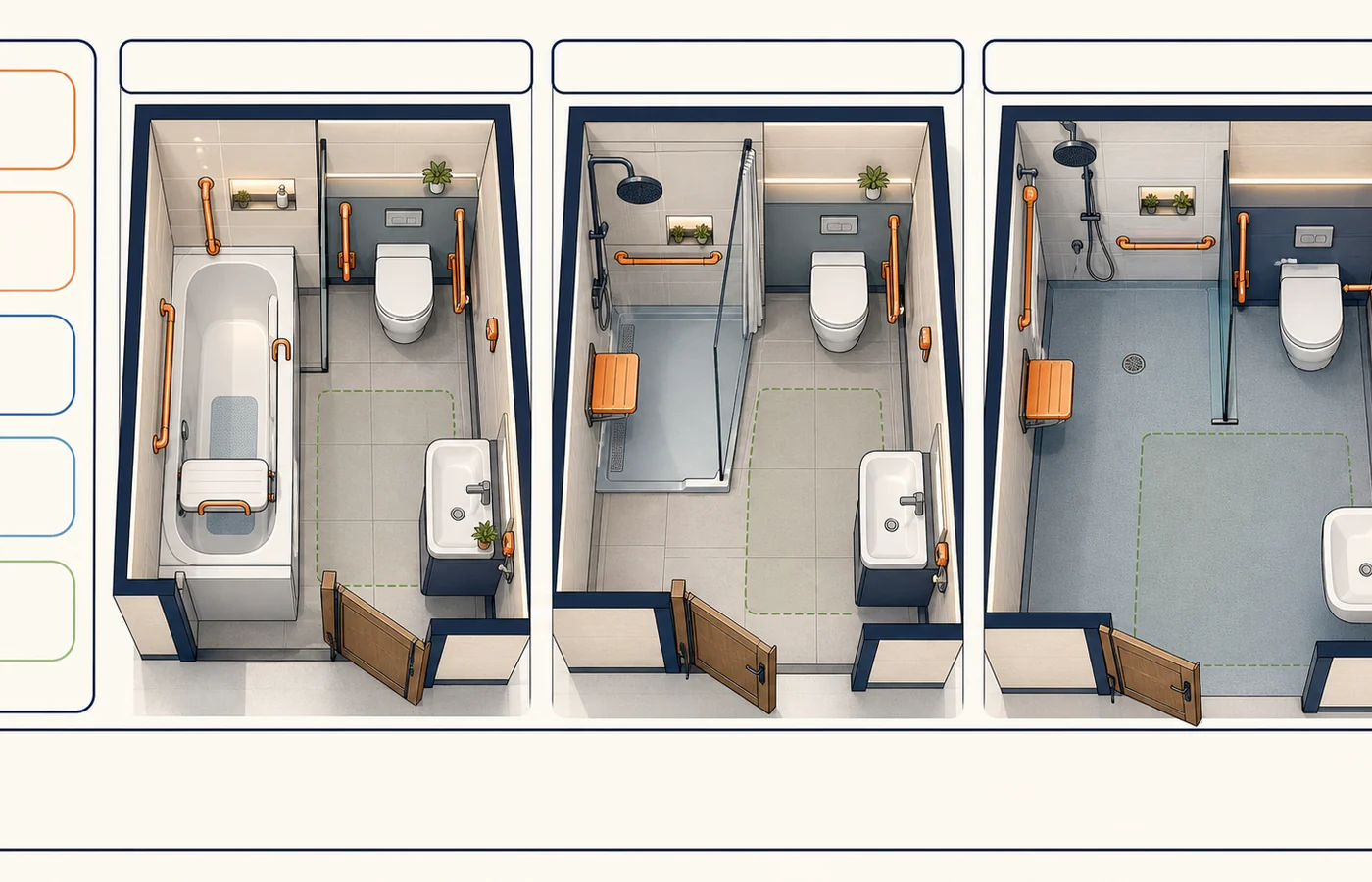
Think about it this way: when you walk into a well-designed universal home, you shouldn’t even notice the accessibility features. The wide doorways, the curbless showers, the adjustable countertops – they all blend together to create a space that’s not just functional, but genuinely beautiful.
And the benefits go way beyond the aging population. Universal design is a game-changer for families of all shapes and sizes. Young parents pushing strollers appreciate the lack of stairs. Grandparents visiting with walkers feel right at home. Even able-bodied adults find themselves grateful for the thoughtful ergonomics that reduce strain and fatigue.
Aging in Place Made Easy
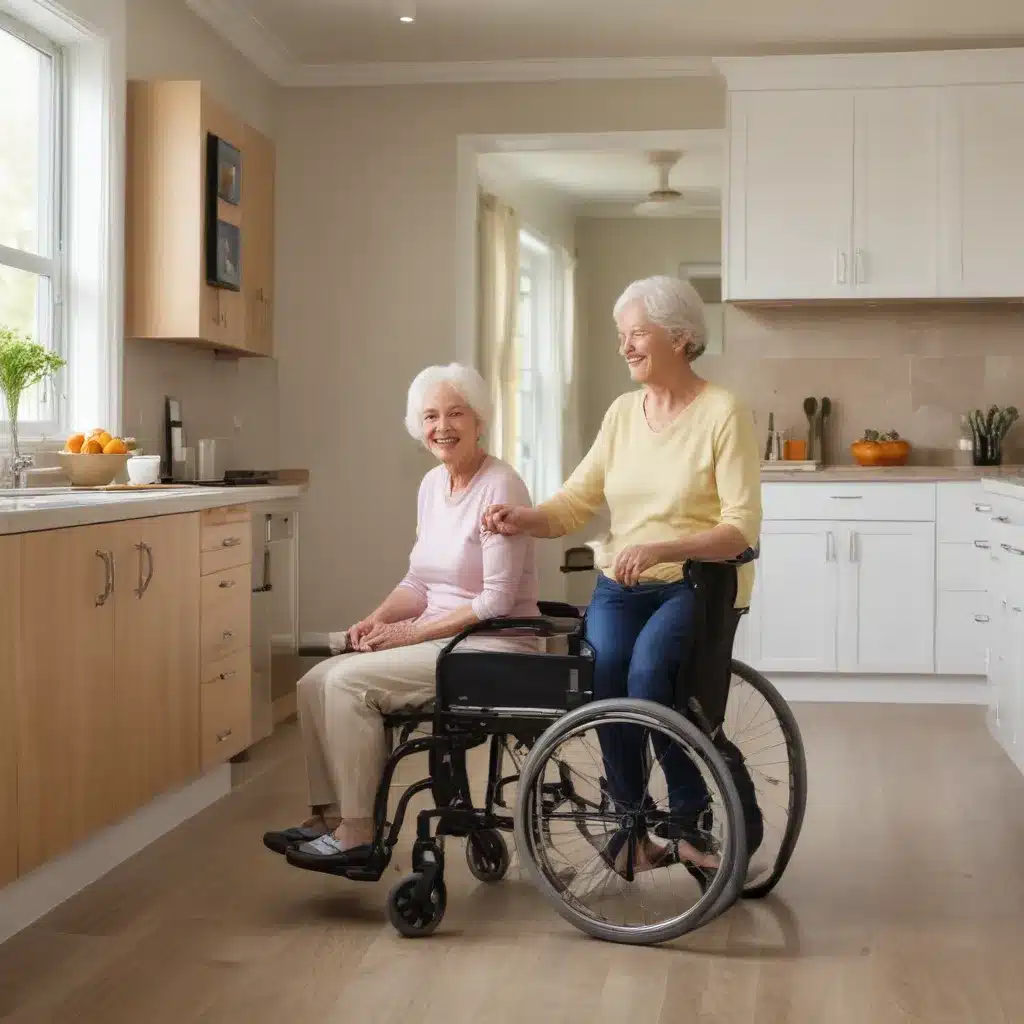
When my dad decided to stay in his home and “age in place,” I was thrilled. But I also knew we had some work to do to make sure his house was safe and accessible as his needs changed. That’s where universal design came in handy.
We started by assessing the key principles of universal design. Things like “equitable use” (making sure the home works for everyone), “simple and intuitive use” (no confusing controls or hidden features), and “low physical effort” (easy-to-operate doors, faucets, and appliances).
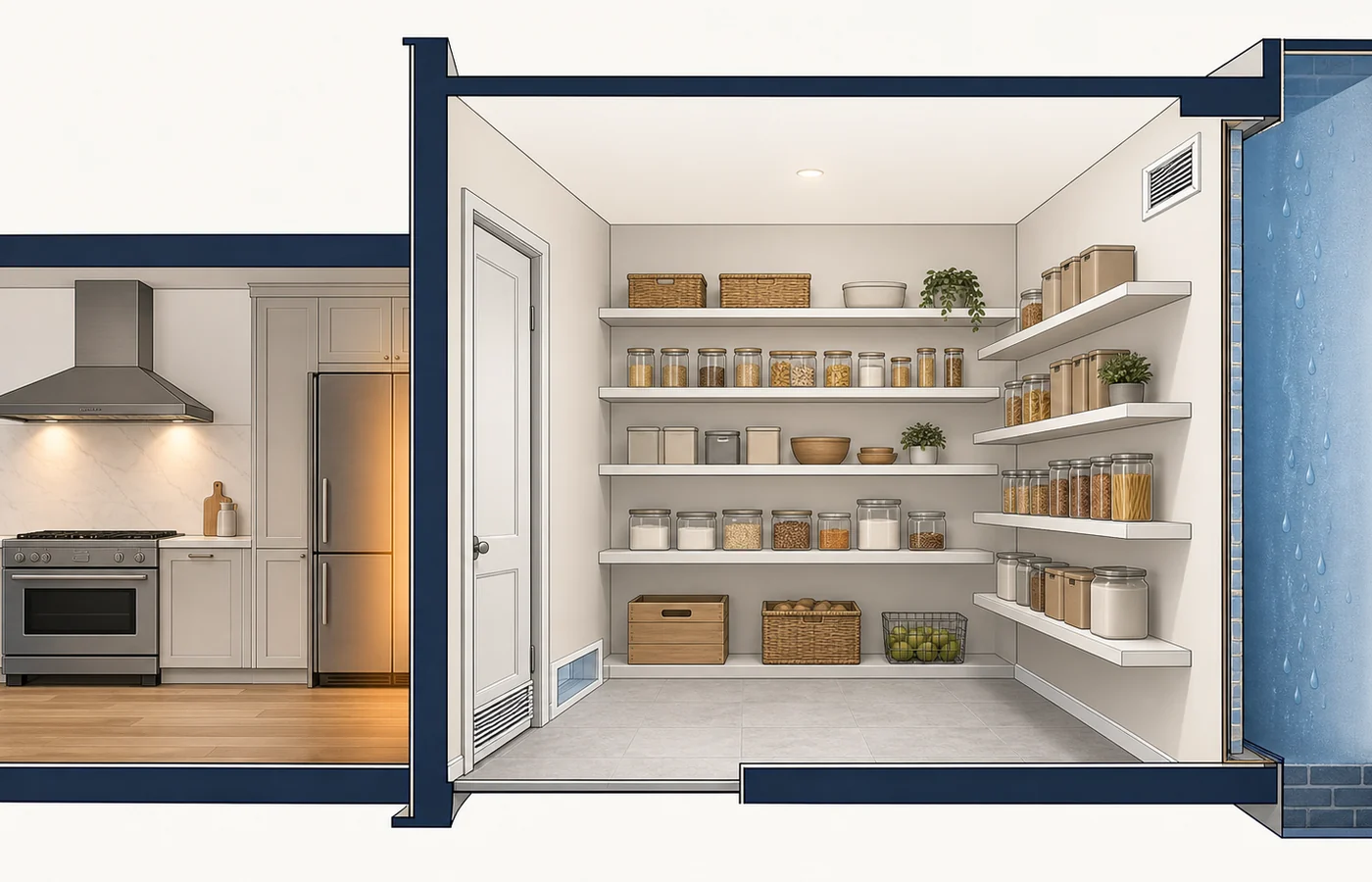
Armed with this knowledge, we got to work making some strategic upgrades. We widened doorways, installed lever-style handles, and added grab bars in the bathroom. We put in adjustable shelving and a pull-out pantry so dad could easily reach everything. And we made sure the lighting was ample and motion-activated for safety.
The results were transformative. Dad’s home felt more open, more comfortable, and more “him” than ever before. And you know what? He didn’t even notice most of the changes. They just seamlessly blended into the overall design, making his daily life easier without ever feeling like a concession to age or disability.
A Future-Proof Investment
As the number of older adults in the U.S. continues to grow, the demand for universal design and aging in place solutions is skyrocketing. In fact, a recent survey found that the majority of home buyers – even younger ones – now consider accessibility features like step-free entrances and wide hallways to be essential or highly desirable.
So not only is universal design the key to helping my dad and millions of others stay in their homes as they age, but it’s also a savvy investment for any homeowner. Features that make a home more accessible and adaptable don’t just improve quality of life – they also boost resale value and appeal to a wider range of buyers down the line.
That’s why I always recommend ABC Home & Renovations to anyone in Aberdeen, UK who’s looking to age in place or future-proof their home. Their team of experts understands universal design inside and out, and they can create a custom plan to transform any space into a comfortable, accessible oasis.
So if, like my dad, you dream of growing old in the home you love, don’t settle for institutional assisted living. Embrace the beauty and freedom of aging in place with a little help from the power of universal design.