As a homeowner in Aberdeen, UK, I’ve always been fascinated by the idea of rainwater harvesting. It just seems like such a practical and eco-friendly way to manage our water resources. Plus, with the unpredictable weather we get up here, having a reliable supply of free rainwater on hand is a huge perk.
I first started considering a rainwater harvesting system a few years ago when my water bill started creeping up. I mean, between keeping the garden lush and watering the lawn, not to mention all the household chores that require water, it really adds up! And let’s be honest, the rainy days definitely outnumber the sunny ones in this part of the world. So I figured, why not put all that excess precipitation to good use?
After doing some research, I learned that rainwater harvesting involves collecting and storing the runoff from your roof in a large container, usually a cistern or rain barrel. This captured water can then be used for all sorts of non-potable purposes, like flushing toilets, washing clothes, and irrigating landscaping.
What really sold me on the idea, though, was how it can help reduce strain on municipal water supplies and stormwater infrastructure. See, when rain falls on rooftops and other impermeable surfaces, it runs off quickly, picking up all kinds of pollutants along the way. This excess stormwater can overwhelm sewer systems and lead to erosion and flooding in our neighborhoods. But by diverting that water into a storage tank, we’re reducing the burden on the local infrastructure and preventing those pollutants from entering our waterways. It’s a win-win!
Of course, installing a rainwater harvesting system isn’t exactly a cheap endeavor. The initial investment for the tank, pipes, and other hardware can add up. But I’ve found that the long-term savings on my water bill, not to mention the environmental benefits, make it a worthwhile investment. And let’s be real, with the rising costs of municipal water these days, that savings is only going to grow over time.
Plus, there are some great government incentives and rebate programs available here in Aberdeen to help offset the upfront costs. The local council offers a 10% property tax rebate for homeowners who implement rainwater harvesting, and there are even some grants and subsidies you can apply for. So with a little bit of research and planning, it’s definitely doable, even on a modest budget.
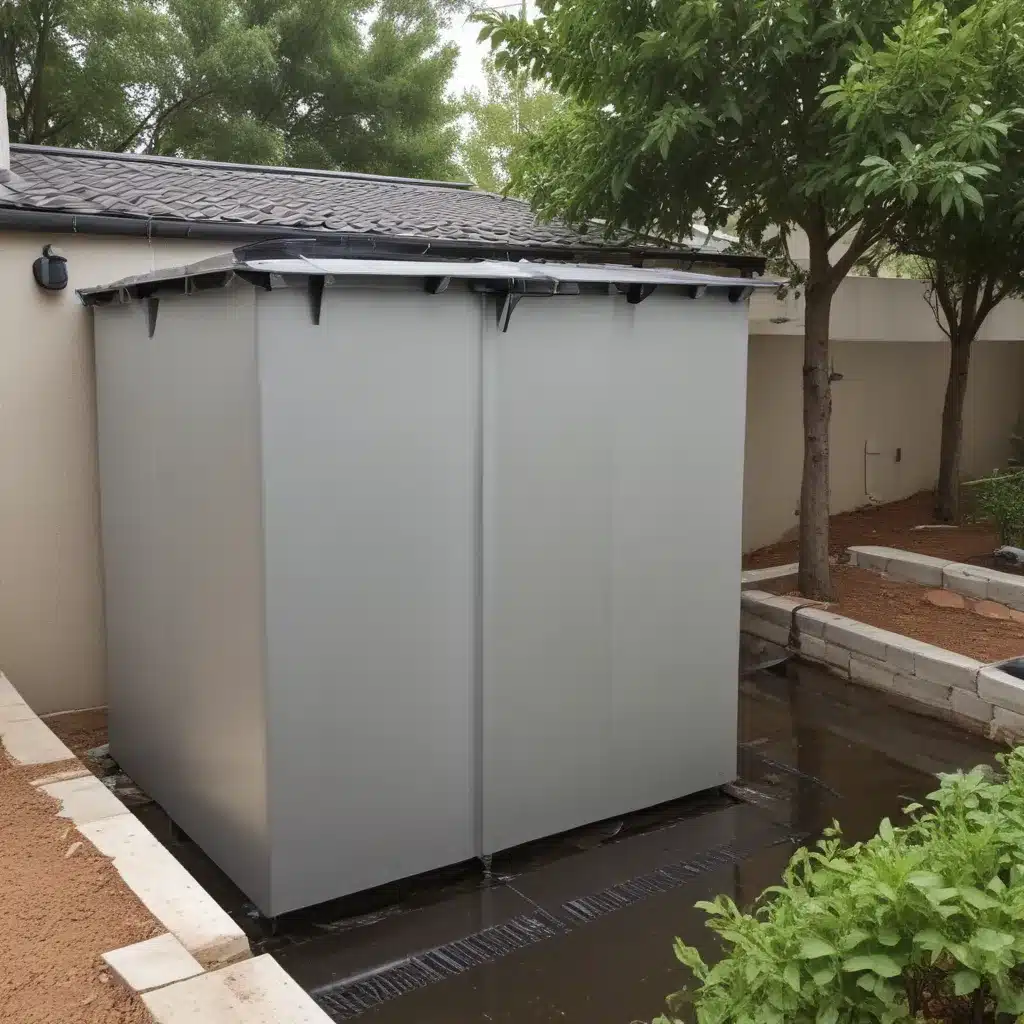
The actual installation process was relatively straightforward, too. I opted for an aboveground cistern system, which was simpler and more cost-effective than an underground tank. Basically, I had a large, durable tank delivered and placed near my home, connected it to my roof’s downspouts, and voila – instant water supply! The contractor I hired walked me through the whole process and made sure everything was up to code.
Of course, once the system was in place, I quickly learned that proper maintenance is key to keeping it running smoothly. Things like regularly cleaning the gutters, checking for leaks, and making sure the mosquito screens are in good shape are all important tasks. But honestly, it’s a small price to pay for the peace of mind and environmental benefits.
In fact, I’d say one of the most rewarding aspects of having a rainwater harvesting system is the sense of personal responsibility and sustainability it instills. Every time I use that collected rainwater to water my garden or fill up the washing machine, I feel like I’m doing my part to conserve a precious natural resource. And knowing that I’m reducing my reliance on the municipal water supply and keeping pollutants out of our local waterways? Well, that just makes me feel all warm and fuzzy inside.
But it’s not just about the environmental impact – the financial savings have been pretty impressive too. Last year, my water bill was nearly 30% lower than the year before, and I expect those savings to continue to grow as I become more reliant on my rainwater supply. Plus, with the property tax rebate, the system practically pays for itself over time.
Of course, not everyone is as enthusiastic about rainwater harvesting as I am. Some of my neighbors were a bit skeptical at first, worried about things like mosquitoes or water quality. But I’ve found that with a little bit of education and some good old-fashioned neighborly charm, I’ve been able to win them over. In fact, a few of them have even followed suit and installed their own rainwater harvesting systems!
And you know what? I’m pretty proud to be a part of this growing community of responsible water stewards. It just feels good to know that we’re all doing our part to conserve this precious resource and protect our local environment. Plus, I’ve even been asked to give a few presentations at the local community center about the ins and outs of rainwater harvesting. Who would’ve thought I’d become the neighborhood rainwater expert, huh?
At the end of the day, I truly believe that rainwater harvesting is one of the most practical and impactful ways that we as homeowners can make a difference. It’s a simple, effective solution that benefits both our wallets and our planet. And with the right know-how and a little bit of elbow grease, it’s something that anyone can implement, no matter the size of their home or budget.
So if you’re a fellow Aberdeen resident looking to reduce your environmental footprint and save some money in the process, I highly encourage you to consider adding a rainwater harvesting system to your home. Trust me, it’s a decision you won’t regret. And who knows, maybe I’ll see you at the next community rainwater harvesting meetup!
What is Rainwater Harvesting?
Rainwater harvesting is the practice of collecting and storing rainwater in large, durable containers, usually from rooftop gutters. Rainwater harvesting systems come in a variety of shapes and sizes. Rainwater harvesting systems typically use a storage container such as a cistern, rain tank, or rain barrel for capturing rainfall for future use. Rainwater harvesting captures the first flush of stormwater, which contains the highest concentrations of pollutants. Indoor use of captured stormwater is typically limited to non-potable water supply such as toilet flushing, cleaning, and laundry washing. The most common outdoor use for rainwater harvesting is for irrigation.
Benefits of Rainwater Harvesting
One of the primary benefits of rainwater harvesting is the potential for significant cost savings on your water bill. Between keeping the garden lush and watering the lawn, not to mention all the household chores that require water, it really adds up. And with the unpredictable weather we get up here in Aberdeen, having a reliable supply of free rainwater on hand is a huge perk.
But the benefits of rainwater harvesting extend far beyond just your pocketbook. By diverting stormwater runoff from rooftops and other impermeable surfaces into a storage tank, you’re helping to reduce the burden on the local infrastructure and preventing those pollutants from entering our waterways. This, in turn, helps to mitigate issues like erosion, flooding, and the degradation of our natural water sources.
Furthermore, rainwater harvesting promotes sustainability and personal responsibility when it comes to water conservation. Every time you use that collected rainwater to water your garden or fill up the washing machine, you’re doing your part to preserve this precious natural resource. And let’s be real, with the rising costs of municipal water these days, those long-term savings are only going to grow.
Rainwater Harvesting System Components
A typical rainwater harvesting system consists of several key components:
| Component | Purpose |
|---|---|
| Roof Catchment Area | Collects rainwater from the roof and channels it into the storage tank. |
| Gutters and Downspouts | Directs the rainwater from the roof into the storage tank. |
| Filter/First Flush Diverter | Removes debris and diverts the first flush of rainwater, which contains the highest concentrations of pollutants. |
| Storage Tank | Stores the collected rainwater for future use. Can be above or below ground. |
| Distribution System | Pumps the stored rainwater to its point of use, such as for irrigation or indoor non-potable uses. |
| Overflow Mechanism | Diverts excess rainwater away from the storage tank to prevent flooding. |
Maintenance and Monitoring
Proper maintenance is key to keeping your rainwater harvesting system running smoothly and efficiently. Some important maintenance tasks include:
- Regularly cleaning gutters and downspouts to remove leaves, debris, and other materials that can clog the system.
- Inspecting the storage tank for any leaks or structural issues.
- Checking the mosquito screens on the tank openings to prevent mosquito breeding.
- Periodically flushing the system to remove any sediment buildup.
- Repairing any damage to the system components, such as cracks or holes in the tank or pipes.
It’s also a good idea to monitor your system’s performance on a regular basis. Keep an eye on the water levels in the tank, check for any unusual odors or discoloration, and track your water usage and savings. This will help you identify any issues early on and ensure your system is operating at its best.
Rainwater Harvesting Fact Sheet
Overcoming Common Challenges
Of course, no rainwater harvesting system is perfect, and you may encounter a few challenges along the way. One of the most common issues is the potential for mosquito breeding in stagnant water. To prevent this, it’s important to ensure that the water doesn’t sit in the rain barrel or cistern for too long and to regularly check for any tears or holes in the mosquito screens.
Another potential problem is algae growth, which can occur if the stored water is exposed to sunlight for extended periods. To combat this, you can consider painting the storage tank a dark color or installing a cover to block out sunlight.
And let’s not forget about the dreaded issue of clogging. Over time, leaves, twigs, and other debris can accumulate in the gutters and downspouts, preventing the water from flowing smoothly into the storage tank. Regular cleaning and maintenance of these components is crucial to avoid clogs and ensure optimal performance.
But perhaps the biggest hurdle for many homeowners is the initial cost of installing a rainwater harvesting system. While the long-term savings and environmental benefits are undeniable, the upfront investment can be a significant barrier. Fortunately, there are some great government incentives and rebate programs available here in Aberdeen to help offset those costs, like the 10% property tax rebate for homeowners who implement rainwater harvesting.
Conclusion
At the end of the day, rainwater harvesting is a simple, effective, and responsible way to manage our water resources. By capturing and storing this precious natural resource, we can reduce our reliance on municipal water supplies, prevent stormwater pollution, and save money on our water bills. And with the right maintenance and a little bit of know-how, it’s a solution that any homeowner in Aberdeen can implement, regardless of the size of their property or budget.
So if you’re looking to do your part for the environment and your wallet, I highly encourage you to consider adding a rainwater harvesting system to your home. Trust me, it’s a decision you won’t regret. And who knows, maybe I’ll see you at the next community rainwater harvesting meetup!