The Bathroom Renovation Woes
Ah, the bathroom. The sanctuary of self-care, the oasis of relaxation, the place where we shed the stresses of the day and indulge in a little me-time. But let’s be real, sometimes our bathrooms can start to feel a little… well, tired. The once gleaming tiles start to look dull, the grout gets discolored, and that tub you used to love just doesn’t seem to sparkle the way it used to.
But fear not, my friends! As someone who has been in the building and renovation game for quite some time, I’m here to tell you that a little TLC can go a long way in making your tub feel brand new again. And the secret lies in the art of caulking and re-glazing.
The Caulk Conundrum
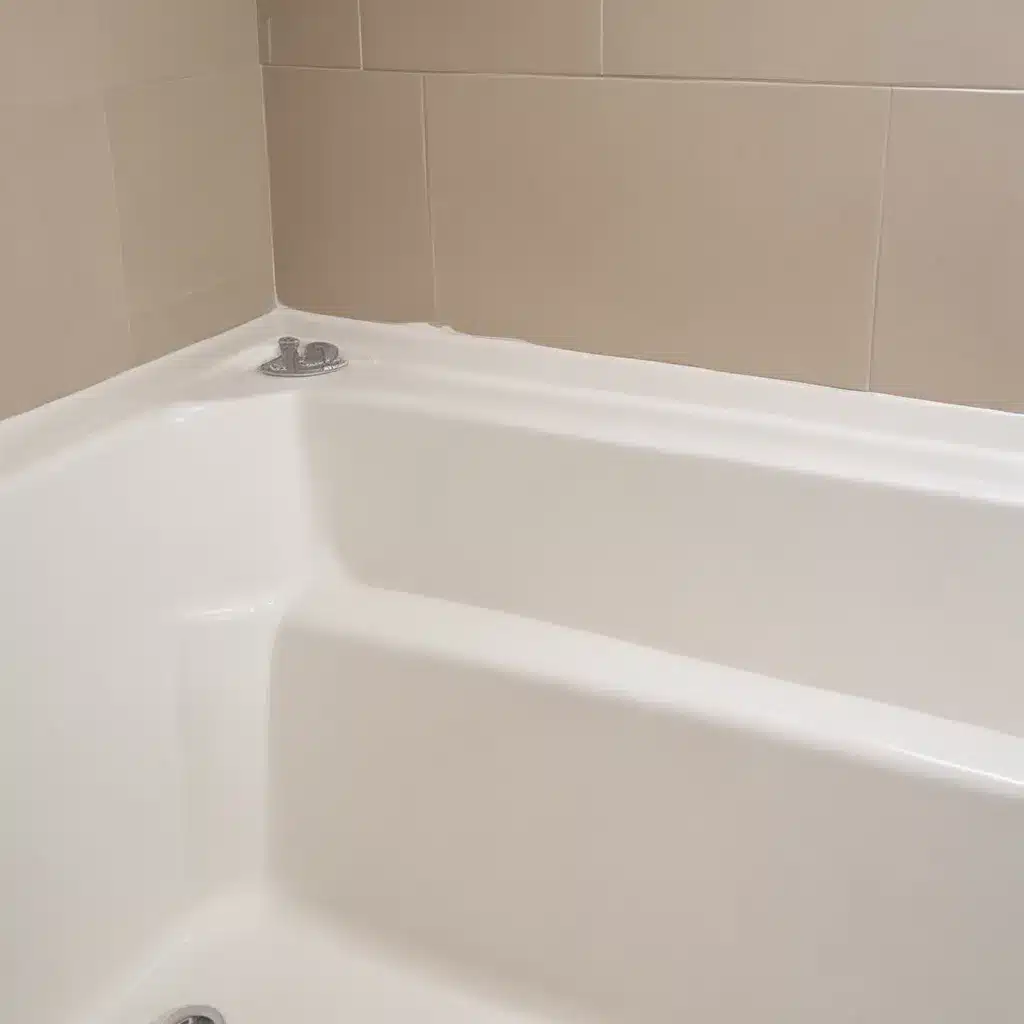
Now, I know what you’re thinking – “Caulk? Really? That’s the solution to my bathroom woes?” But hear me out. Caulk is the unsung hero of the renovation world. It’s the invisible glue that seals the gaps and cracks, keeping the water where it belongs and preventing those pesky leaks that can lead to mold and mildew.
Think about it this way – your tub is like a giant puzzle, with all these different pieces (tiles, fixtures, and whatnot) that need to fit together seamlessly. And that’s where caulk comes in. It’s the secret weapon that ensures everything stays in place and remains watertight. Without it, you might as well be trying to take a bath in a sieve.
But here’s the thing – not all caulk is created equal. There are different types, formulas, and application techniques that can make all the difference in the world. And that’s where I come in as your resident bathroom guru.
The Art of Caulking
Now, I know what you’re thinking – “Caulking? That sounds like a job for the professionals.” And you’d be right, to a certain extent. Caulking can be a bit of a delicate art, and if not done properly, it can end up looking like a hot mess. But fear not, my friends, I’m here to walk you through the process step-by-step.
First things first, you’ll need to choose the right type of caulk for the job. Now, I know what you’re thinking – “There’s more than one type of caulk?” Yep, you betcha. From silicone to acrylic to latex, the options can be a bit overwhelming. But don’t worry, I’ve got you covered.
Silicone caulk is a great choice for bathrooms, as it’s waterproof and highly flexible, making it perfect for sealing those pesky gaps and cracks. Acrylic caulk, on the other hand, is a bit more budget-friendly and easier to work with, but it’s not as waterproof as its silicone counterpart. And then there’s latex caulk, which is a great all-arounder that’s easy to apply and clean up.
So, how do you know which one to choose? Well, it really depends on the specific job at hand. If you’re dealing with a high-moisture area like around your tub or shower, then silicone is probably your best bet. But if you’re just sealing up some minor gaps in the tile, then acrylic or latex might be the way to go.
Once you’ve got your caulk selected, it’s time to get to work. And let me tell you, there’s an art to caulking that takes a bit of practice to master. First, you’ll need to make sure the area is clean and dry, and then you’ll want to use a caulking gun to apply the caulk in a smooth, even bead.
And here’s a pro tip for you – wet your finger and run it along the caulk line to smooth it out. This will help create a nice, clean finish and ensure that the caulk adheres properly to the surfaces. It’s a little trick that can make a big difference in the final result.
The Rejuvenating Powers of Re-Glazing
But wait, there’s more! While caulking can work wonders in restoring the look and function of your tub, sometimes you need to take things to the next level. And that’s where re-glazing comes in.
Re-glazing is the process of applying a new, shiny coating to the surface of your tub, essentially giving it a fresh, new lease on life. And let me tell you, the transformation can be nothing short of miraculous.
Imagine your once-dull, dingy tub suddenly sparkling like new – no more unsightly stains, no more discolored surfaces, just a gleaming, pristine porcelain oasis just begging to be filled with bubbles and rubber duckies.
But here’s the thing – re-glazing isn’t just about making your tub look pretty. It can also help extend its lifespan and prevent future damage. You see, over time, the porcelain can start to wear down, becoming more prone to cracks, chips, and other unsightly blemishes. But with a fresh coat of re-glazing, you’re essentially giving your tub a new lease on life, protecting it from the ravages of time and wear and tear.
And the best part? Re-glazing is a relatively quick and affordable process, especially when compared to the cost and hassle of a full tub replacement. So why not give your bathroom a little facelift and make your tub feel brand new again?
The Transformative Power of Caulk and Re-Glazing
Now, I know what you’re thinking – “Okay, this all sounds great, but how do I actually do it?” Well, my friends, that’s where the real magic happens.
First things first, you’ll want to make sure you’ve got all the necessary supplies on hand. For caulking, you’ll need your chosen caulk, a caulking gun, and a few other basic tools. And for the re-glazing process, you’ll want to enlist the help of a professional, as the process can be a bit more involved.
But don’t worry, I’ve got your back. Here’s a handy guide that will walk you through the entire process, step-by-step. From preparing the surfaces to applying the caulk and re-glazing, we’ll cover it all. And who knows, you might even have a little fun along the way!
Because let’s be real, bathroom renovations don’t have to be a chore. With the right mindset and a little bit of elbow grease, they can actually be quite rewarding. Imagine the look on your face when you step into your freshly rejuvenated tub, the gleaming surfaces reflecting the light like a million tiny diamonds. It’s enough to make anyone feel like a king (or queen) of their own little porcelain kingdom.
So, what are you waiting for? Grab your caulk gun, dust off your scrub brush, and let’s get to work! Your tub is calling, and it’s time to answer the call of the fresh caulk and re-glazing.