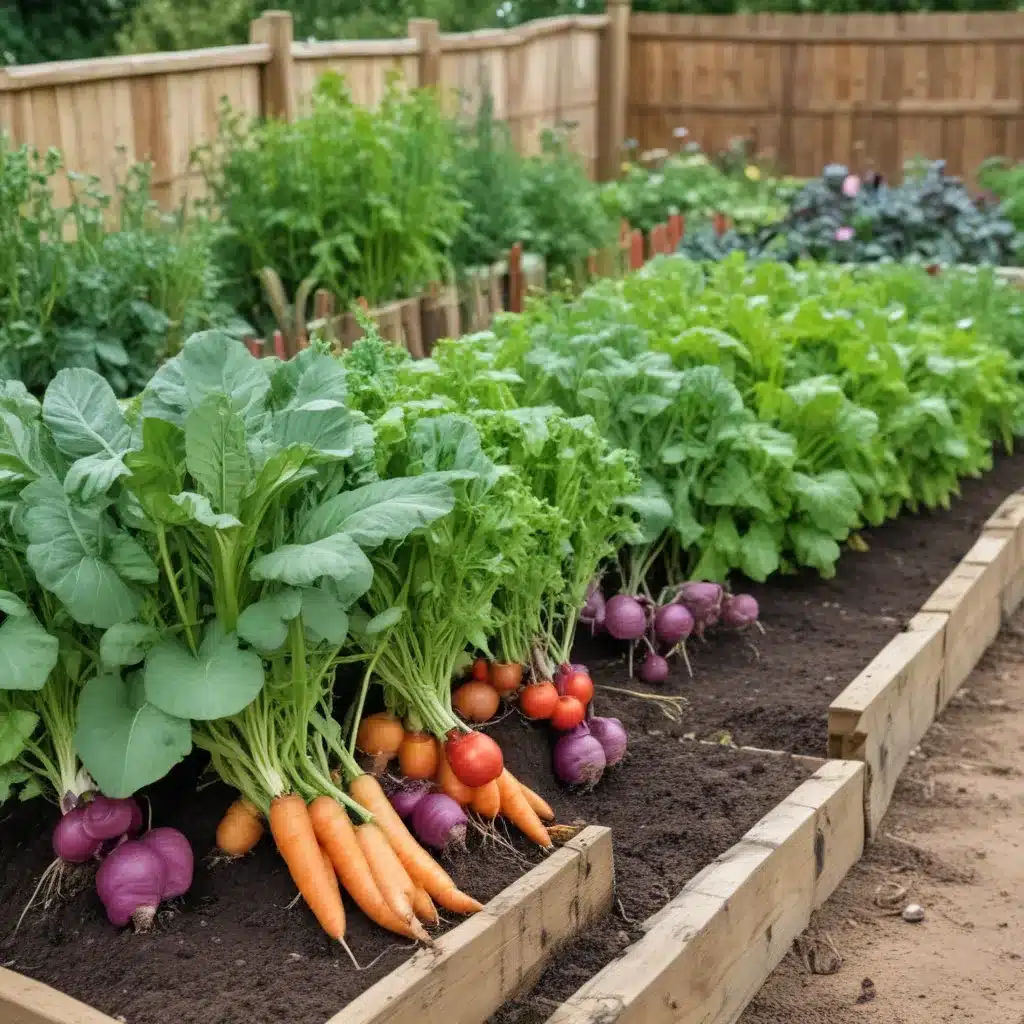
Get Growing! Vegetable Gardening For Beginners
Introduction: From Garden-Fresh to Your Plate
Ah, the sweet, juicy flavors of homegrown vegetables – there’s truly nothing quite like it! If you’ve never experienced the joy of plucking a ripe tomato or crunchy carrot straight from your own garden, then you’re in for a real treat. Vegetable gardening may seem daunting at first, but trust me, it’s a wonderfully rewarding hobby that anyone can master.
I remember when I first started my vegetable garden journey – it was back in 2013 when I built my very first raised bed for a patch of strawberries. Since then, I’ve lost count of how many veggie gardens I’ve created, but the thrill of watching those little seedlings sprout and grow into bountiful harvests never gets old. And let me tell you, there’s no better feeling than walking out to your backyard, basket in hand, and picking the freshest ingredients for tonight’s dinner.
The Old Farmer’s Almanac says it best – “If you’ve never tasted garden-fresh food, you will be amazed by the sweet, juicy flavors and vibrant textures.” That’s why I’m so excited to share my top tips and tricks for starting your very own vegetable garden, whether you have a sprawling backyard or just a few sunny spots on your patio.
Choosing the Perfect Spot
Picking the right location for your garden is absolutely crucial. After all, a subpar site can lead to subpar veggies, and we simply won’t stand for that! Here are a few key things to consider when scouting out your future garden oasis:
Sunlight: Like all plants, your veggies need plenty of sunshine to thrive. Aim for at least 6-8 hours of direct sunlight per day, without any obstructions from trees, buildings, or fences. If your yard is a bit on the shady side, you can still grow some part-shade tolerant crops like lettuces, kale, and herbs.
Water Access: The closer your garden is to a reliable water source, the better. This will make it much easier to keep those thirsty plants hydrated, especially in those crucial early weeks after planting. Consider setting up a drip irrigation system or soaker hoses to save time and water.
Soil Quality: Rich, nutrient-dense soil is the foundation of a successful veggie garden. Test your soil to see what amendments it might need, like compost or peat moss, to achieve the perfect sandy loam texture. Raised garden beds are a great way to start with optimal soil, without having to dig up your entire yard.
Planning Your Edible Oasis
Alright, now that you’ve found that perfect garden spot, it’s time to start plotting out your veggie kingdom. One of the most common mistakes new gardeners make is planting way too much, way too soon. Trust me, you don’t want to end up with zucchini taking over your entire house!
Instead, start small – a 6×6 foot plot is a great size for beginners. Focus on 5 or fewer types of vegetables that you and your family will actually eat. This could be classics like tomatoes, peppers, and carrots, or you could branch out with some more unique options like kohlrabi or bok choy.
Another important factor is choosing the right planting method. Row cropping is great for larger gardens, as it makes it easier to maneuver around with tools. But for a smaller setup, intensive cropping (planting veggies close together in a raised bed) can maximize your limited space.
And remember, your garden doesn’t have to be all business – mix in some cheerful flowers like marigolds to attract pollinators and add a pop of color. Before you know it, you’ll have a thriving oasis that’s both functional and fabulous.
Sowing the Seeds of Success
Alright, time to get those hands dirty! Once your garden beds are ready to go, it’s planting time. But where do you even begin? The Old Farmer’s Almanac has you covered with their expert recommendations for the easiest veggies to grow:
Tomatoes: Is there anything more satisfying than biting into a juicy, homegrown tomato? These classic garden staples are relatively low-maintenance and super productive.
Zucchini: Talk about a workhorse – one zucchini plant can yield pounds and pounds of summertime squash. Just be sure to harvest them young and tender.
Cucumbers: Crisp, refreshing cucumbers are perfect for salads, pickles, and more. They climb beautifully on trellises, saving precious ground space.
Lettuce: Leafy greens like romaine and butterhead lettuce grow quickly and thrive in cooler weather, giving you an early spring harvest.
Radishes: These peppery little roots are one of the fastest vegetables to mature, with many varieties ready to enjoy in just 3-4 weeks.
Of course, the best veggies for you will depend on your local climate and personal preferences. So be sure to do a bit of research on your growing zone and chat with your state’s Cooperative Extension Service for tailored advice.
When it comes to actually planting, you have a few options. Seeds are the most economical choice, but seedlings (or “starts”) give you a head start if you’re short on time. Just be sure to harden them off gradually before transplanting to avoid transplant shock.
And don’t forget to make use of vertical space! Trellises, cages, and A-frame supports are great for vining crops like beans, peas, and cucumbers, boosting your yields without taking up precious ground real estate.
Nurturing Nature’s Bounty
Alright, so you’ve got your garden beds all planted and ready to grow. Now comes the fun (and sometimes challenging) part – keeping those veggies happy and healthy! Here are a few key tips to ensure a bountiful harvest:
Consistent Watering: Those tender young seedlings need frequent waterings, especially in the first few weeks after planting. But once they’re established, switch to deep, infrequent waterings to encourage deep root growth.
Weed Management: Weeds are the sworn enemies of vegetable gardens, competing for precious nutrients, water, and sunlight. Stay on top of weeding, either by hand or with a trusty hoe, and consider using a thick mulch to suppress weed growth.
Pest Control: From aphids to rabbits, pests of all shapes and sizes can wreak havoc on your veggies. Use a combination of physical barriers, organic sprays, and good old-fashioned hand-picking to keep those critters at bay.
Crop Rotation: Switching up where you plant your different veggie families each year helps break pest and disease cycles. This will keep your soil healthy and your plants thriving.
And don’t forget to have some fun with companion planting! Mixing in flowers like marigolds and nasturtiums can deter pests and attract beneficial insects. Plus, they add a lovely splash of color to your edible oasis.
Reaping the Rewards
Ah, the moment of truth – it’s harvest time! As you stroll through your lush, productive garden, basket in hand, you’ll be amazed at the bounty before you. Juicy tomatoes, crunchy carrots, vibrant greens, and so much more. The time, effort, and love you’ve poured into this garden will all come together in the most delicious way.
But the real joy goes beyond just the taste. There’s an unparalleled satisfaction in growing your own food, knowing exactly where it came from and how it was cared for. Not to mention the countless health benefits of eating ultra-fresh, nutrient-dense produce. And let’s not forget the money you’ll save by cutting down on those grocery bills!
Of course, even the most seasoned gardeners can’t grow everything they need. That’s where the magic of ABC Home & Building Supplies comes in. Whether you need tools, soil amendments, or even a custom-built raised bed, their knowledgeable staff will help you find exactly what your garden needs to thrive.
So what are you waiting for? It’s time to get growing and reap the delicious rewards of your very own vegetable garden. Trust me, it’s a journey you won’t regret. Happy planting!