Buzzing Into the Garden
Ah, the sweet sound of buzzing bees – nature’s little helpers, hard at work pollinating our flowers and crops. As a keen gardener, I’ve always been fascinated by these industrious insects and their vital role in our ecosystem. That’s why I’m excited to share with you my top picks for bee-friendly plants that will have your garden humming with activity in no time!
Living in Aberdeen, UK, I know how important it is to create a haven for our pollinator friends. With increasing habitat loss and the use of harmful pesticides, bee populations have been in decline across the region. But as gardeners, we have the power to make a real difference. By strategically planting a variety of nectar and pollen-rich flowers, we can provide a sustainable food source and safe haven for bees and other pollinators.
So, whether you have a small balcony or a sprawling backyard, let’s dive in and discover the best bee-friendly plants to cultivate in your own little patch of the world. Get ready to become the bee’s knees in your neighborhood!
Bee-utiful Blooms
When it comes to attracting bees, not all flowers are created equal. Certain plants are simply irresistible to our buzzing buddies, thanks to their vibrant colors, enticing aromas, and abundant nectar and pollen production. Let’s take a closer look at some of the star performers in the bee-friendly plant lineup.
Xerces Society experts recommend planting a diverse range of native flowers to support a wide variety of bee species. One such standout is the captivating bee balm (Monarda), with its dense clusters of two-lipped blooms in shades of red, pink, and purple. Bees simply can’t resist the aromatic nectar-rich flowers, which also attract hummingbirds and butterflies to the party.
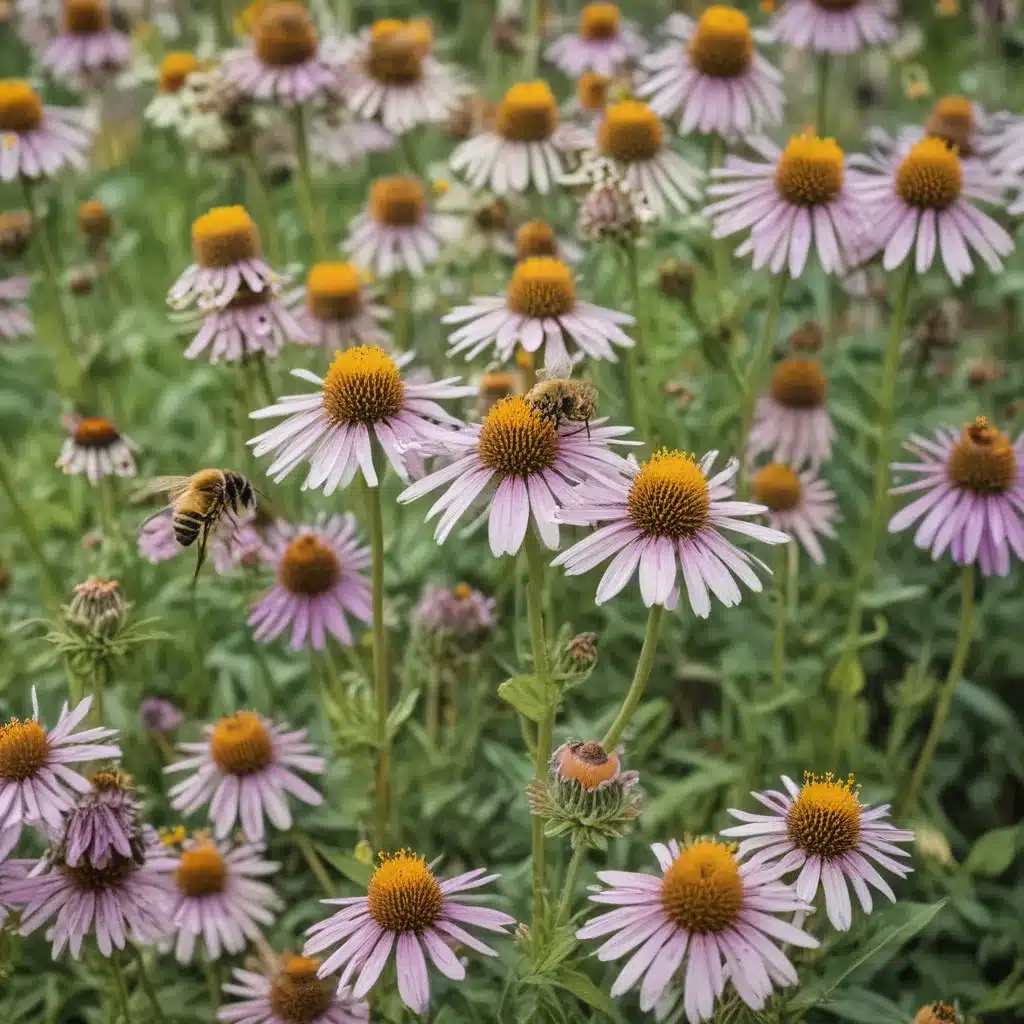
Another native that’s sure to get those wings a-fluttering is the coneflower (Echinacea). These daisy-like beauties come in a rainbow of colors, from the classic purple to eye-catching orange and yellow. Bees love to forage on the prominent central cones, sipping up the nectar and collecting the abundant pollen.
And let’s not forget the stunning Joe Pye weed (Eutrochium), a statuesque native perennial that boasts large, vanilla-scented flower heads. Honeybees in particular go wild for this late-summer bloomer, buzzing from floret to floret until their nectar cravings are satisfied.
Bee Magnets
While native plants are undoubtedly bee-friendly superstars, there are also plenty of non-native options that can work wonders in attracting our pollinator pals. Lavender, for instance, is a classic bee magnet with its sweetly fragrant purple spikes that are just the right size for honeybees to forage.
Another bee-loved beauty is the vibrant zinnia. These cheerful annuals come in a wide array of colors, from vivid orange to delicate pink, and their nectar-rich central disk flowers are easily accessible for a range of bee species.
One of my personal favorites is the humble chive. Not only do its purple pom-pom blooms provide an early-season nectar source for emerging bees, but the plants also have a lovely savory aroma that adds a delightful touch to any garden.
Creating a Bee-utiful Haven
Planting the right flowers is just the first step in creating a bee-friendly oasis. To truly support our pollinator pals, we need to think holistically about their habitat requirements. After all, bees need more than just a pretty floral feast – they also require safe nesting sites and a reliable water source.
Bumblebees, for example, like to nest in undisturbed areas of bare soil or in abandoned rodent burrows. By leaving a few patches of exposed ground in your garden, you’ll be providing the perfect real estate for these fuzzy pollinators to set up shop.
As for the solitary bees, they favor small cavities and hollow stems for their nests. You can easily accommodate these industrious creatures by setting up a “bee hotel” – a birdhouse-like structure filled with tubes or reeds for them to call home.
And let’s not forget about water – bees need a reliable source to stay hydrated, especially during the hot summer months. A shallow dish filled with clean water and a few stones for them to perch on will do the trick nicely.
By incorporating these additional elements into your garden, you’ll be creating a true bee oasis that will have your pollinator pals buzzing with delight. And the best part? You’ll be playing a vital role in supporting the health and longevity of these amazing insects, which are so crucial to the overall balance of our ecosystem.
Bee-yond the Garden
Of course, the benefits of bee-friendly gardening extend far beyond the boundaries of your own little patch of paradise. By cultivating a thriving pollinator-friendly space, you’re not only helping to sustain local bee populations, but you’re also contributing to the larger ecological web that supports our entire community.
After all, bees aren’t just important for the health of our gardens – they’re essential for the productivity of our agricultural systems as well. These hardworking insects are responsible for pollinating a staggering 75% of the world’s flowering plants, including many of the fruits and vegetables we rely on for sustenance.
So, by planting bee-friendly blooms in your backyard, you’re not only creating a haven for these fascinating creatures, but you’re also playing a vital role in ensuring the long-term food security of our region. It’s a win-win situation for both you and the bees!
And the best part? You don’t have to be a green-thumbed gardening guru to make a difference. Even the most novice of plant parents can create a bee-friendly oasis with a few carefully chosen flowers and a little bit of TLC.
So, what are you waiting for? Grab your trowel, don your gardening gloves, and let’s get to work on building a buzzing bee haven that will have your neighborhood a-buzz with excitement. The bees (and your taste buds) will thank you!