Inviting the Critters In
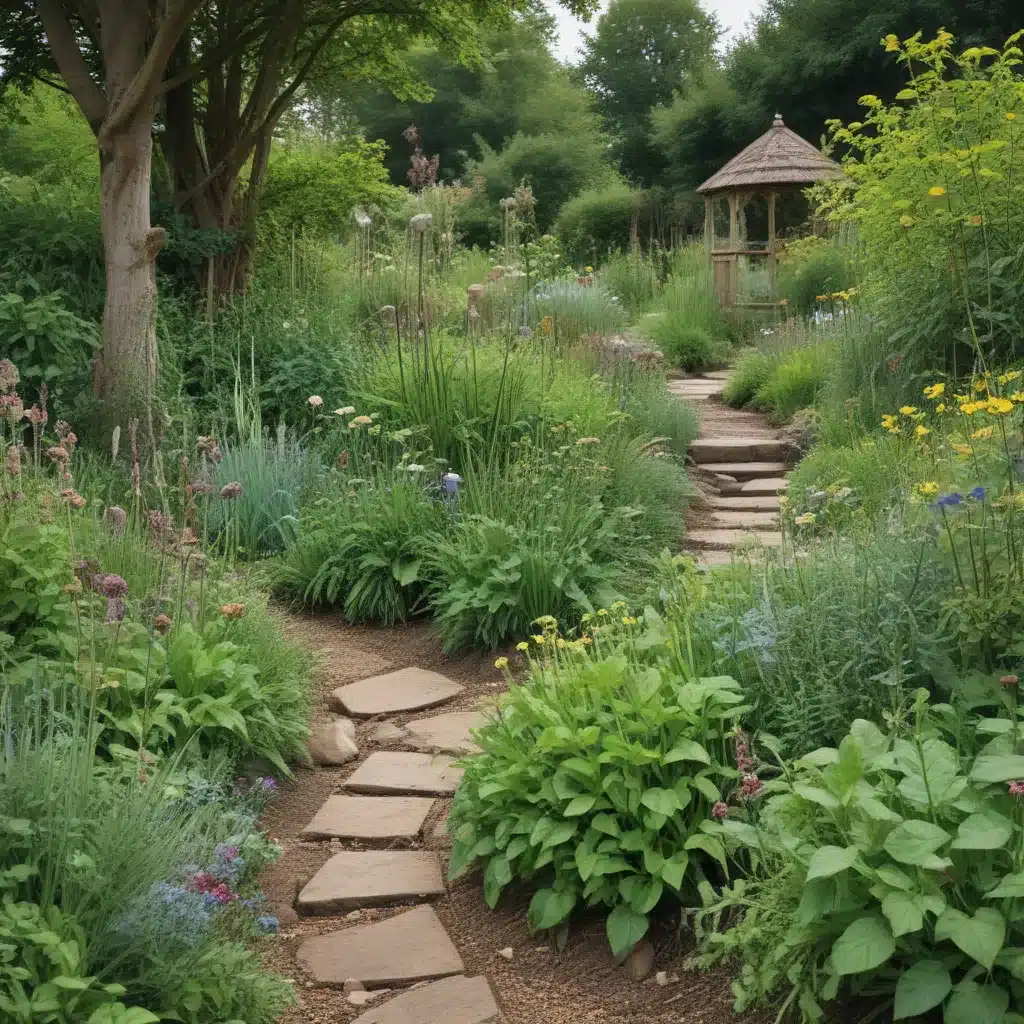
As I stroll through my five-acre property here at the GardenFarm, I’m constantly in awe of the diversity of wildlife that has made this place their home. From the fluttering of monarch butterflies to the cheerful chirping of the songbirds, there’s never a dull moment when you invite nature in. But it didn’t happen by accident – nope, this wildlife haven was intentionally cultivated through lots of planning and a little elbow grease. And let me tell you, it’s been one of the most rewarding endeavors I’ve ever undertaken.
You see, I’m a proud member of the National Wildlife Federation (NWF), and back in the day, I even had the pleasure of meeting David Mizejewski, their resident “nature geek.” David has been with the NWF since 2000, and he’s been the driving force behind their Gardens for Wildlife program – a nationwide effort to transform our urban and suburban landscapes into thriving habitats for all sorts of critters.
As David explained to me, the key is to focus on providing the four essential elements that wildlife need to survive and thrive: food, water, cover, and places to raise their young. Get those right, and the wildlife will come flocking. And let me tell you, once they move in, it’s like having your own private little nature documentary unfolding right outside your window. Talk about entertainment!
Food, Glorious Food
Let’s start with the grub, shall we? As any good host knows, you’ve got to keep your guests well-fed. And when it comes to wildlife, that means thinking beyond the traditional bird feeder (although those certainly have their place!).
You see, 90% of baby birds are raised on a steady diet of insects. So if you want to attract a diverse array of feathered friends, you need to make sure there’s a healthy insect population in your garden. That’s where native plants come in. As David explained, these plants have evolved alongside the local wildlife for millions of years, and they’re perfectly adapted to provide the nectar, pollen, and foliage that insects need to thrive.
But it’s not just about the bugs – there’s plenty of other goodies for your wildlife guests as well. Think berries, seeds, and even the occasional sap or fruit. By layering in a variety of native plants that bloom and fruit at different times of the year, you can ensure a constant supply of yummy sustenance for your furry and feathered friends.
A Refreshing Oasis
Now, no good wildlife habitat would be complete without a reliable source of H2O. Whether it’s a birdbath, a small pond, or even a simple dish of water, providing a watering hole for your local critters is an absolute must.
As David told me, the key is to keep things clean and fresh. Stagnant water can breed mosquitoes, which is a big no-no for both wildlife and humans alike. So be sure to empty and refill your birdbath or water feature every couple of days. And if you’ve got a more permanent water source like a pond, consider adding a bit of Bt (Bacillus thuringiensis) to keep those mosquito larvae at bay.
Of course, a water feature isn’t just about hydration – it’s also a prime spot for bathing and preening. I love watching the birds and butterflies flit in and out, splashing around and fluffing their feathers. It’s like a little wildlife spa day, right in my own backyard!
Cozy Critter Hideaways
Next up on the wildlife checklist: shelter. After all, your guests are going to need somewhere to hunker down, whether it’s to escape the elements or hide from predators.
As David explained, you can create those all-important hideaways by layering in different types of plants and structures. Think dense shrubs, hollow logs, rock piles, and even a few well-placed bird houses or bat boxes. The more nooks and crannies you can provide, the more diverse the wildlife will be that comes to call your garden home.
And let’s not forget about those all-important spots for raising the next generation. Frogs need clean water to lay their eggs, birds need safe places to build their nests, and pollinators like butterflies and bees need the right host plants to support their caterpillars and larvae. By catering to these needs, you’re not just providing a temporary refuge – you’re helping to ensure the long-term survival of your local wildlife populations.
The Native Plant Advantage
Now, I know what you might be thinking: “But wait, aren’t native plants just weeds in fancy clothing?” Well, my friend, let me tell you – nothing could be further from the truth. In fact, as David pointed out, many of the most common and beloved ornamental plants we use in our gardens are actually of little to no benefit to the local wildlife.
You see, those shiny, double-bloomed cultivars might look pretty, but they often lack the nectar and pollen that pollinators need to survive. And those sprawling lawns of non-native grass? Might as well be astroturf as far as the wildlife are concerned.
No, if you want to create a true oasis for your local critters, you’ve got to go native. And the good news is, there are tons of gorgeous, easy-to-grow options out there. From the vibrant blooms of Black-eyed Susans to the delicate lace of Queen Anne’s Lace, native plants can be just as – if not more! – visually stunning as their non-native counterparts.
Plus, as the experts at the National Aquarium point out, these native species have been evolving alongside the local wildlife for millennia. That means they’re perfectly adapted to provide the food, shelter, and breeding grounds that your feathered, furry, and six-legged friends need to thrive.
Putting it All Together
So, you’re probably wondering – how do I get started? Well, the good news is, it doesn’t have to be an overwhelming undertaking. In fact, the National Wildlife Federation has a handy certification program that lays out the four key elements you need to create a wildlife-friendly oasis.
First, make sure you’ve got a diverse array of native plants that provide food throughout the seasons. Then, add a reliable water source like a birdbath or small pond. Next, incorporate plenty of shelter – think dense shrubs, hollow logs, and even a few birdhouses or bat boxes. And lastly, make sure you’ve got spots for critters to raise their young, whether it’s a meadow for ground-nesting birds or a patch of milkweed for monarch caterpillars.
Once you’ve got those four elements covered, you can apply for official certification as a Wildlife Habitat. And let me tell you, that little sign is like a magnet for curious neighbors – the perfect conversation starter to share the importance of creating these oases for our local wildlife. After all, as the experts at UKTV Eden point out, by inviting nature in, you’re not just helping the critters – you’re also giving yourself a front-row seat to a constantly unfolding drama that will captivate and delight.
A Labor of Love
Now, I know what you might be thinking – all of this sounds great, but it must be a ton of work, right? Well, yes and no. It’s true that creating a wildlife-friendly garden takes a bit of planning and effort upfront. But once you get those native plants established and the habitat elements in place, it’s honestly less maintenance than a traditional ornamental garden.
As the team at ABC Home knows, sustainability and eco-friendly practices are key priorities for today’s homeowners. And what could be more sustainable than inviting Mother Nature herself to come and make a home in your backyard? No gas-guzzling lawn mowers, no toxic pesticides – just the soothing sounds of birdsong and the gentle flutter of butterfly wings.
Plus, once you start seeing the wildlife flock to your garden, it becomes an absolute joy to maintain. I’ll never forget the time I spotted that lone sprig of milkweed I’d planted, and suddenly a monarch butterfly appeared out of nowhere, zeroing in on that precious little plant. It was like watching a real-life nature documentary unfold right before my eyes – a moment that filled me with a sense of wonder and deep connection to the natural world.
And that’s the thing – when you create a wildlife habitat, you’re not just providing a safe haven for the critters. You’re also giving yourself the gift of a front-row seat to the incredible drama of the natural world. Trust me, there’s nothing quite like watching a family of baby bunnies emerge from their burrow or a hummingbird zip around your feeders. It’s a constant source of entertainment and awe, and it’s all yours to enjoy, right in your own backyard.
So, if you’re ready to take the plunge and invite nature in, I can’t recommend it enough. Sure, it takes a bit of work upfront, but the payoff is truly priceless. Just ask David and the team at the National Wildlife Federation – they’ll tell you, there’s no greater joy than knowing you’re doing your part to support the health and well-being of our precious local ecosystems. So what are you waiting for? Let’s get growing!