Brrrr… It’s Freezing Outside!
As an Aberdeen resident, I know all too well the pain of dealing with frozen pipes during the winter months. It’s like a twisted game of “Guess Which Faucet Works Today?” – one day you’ve got water flowing freely, the next, you’re stuck with a useless tap and the unenviable task of thawing out your pipes.
But friends, I’m here to tell you that there’s no need to suffer through this season of icicle-laden despair. With a little preparation and some good old-fashioned elbow grease, you can keep your faucets flowing and your pipes from bursting, even in the depths of an Aberdeen winter. So, grab a cup of hot cocoa and let’s dive in – it’s time to get your home winter-ready!
Understanding the Woes of Frozen Pipes
Before we get into the nitty-gritty of prepping your plumbing, let’s talk about why those darn pipes freeze up in the first place. It all comes down to good old H2O and its unique property of expanding as it freezes. As the water in your pipes turns to ice, it puts tremendous pressure on the containers holding it – your metal or plastic pipes. No matter how tough those pipes may be, that expanding ice is going to win every time, causing them to crack or even burst.
And the real kicker? Those pesky frozen pipes can strike anywhere in your home – from the exposed outdoor faucets to the hidden pipes behind your walls. It’s a sneaky, silent threat that can wreak havoc if you’re not prepared.
Protecting Your Pipes: A Step-by-Step Guide
Alright, now that we’ve got the science lesson out of the way, let’s talk about how to keep your pipes from turning into icicles. The key is to take action before the mercury drops – so let’s get started!
1. Insulate, Insulate, Insulate
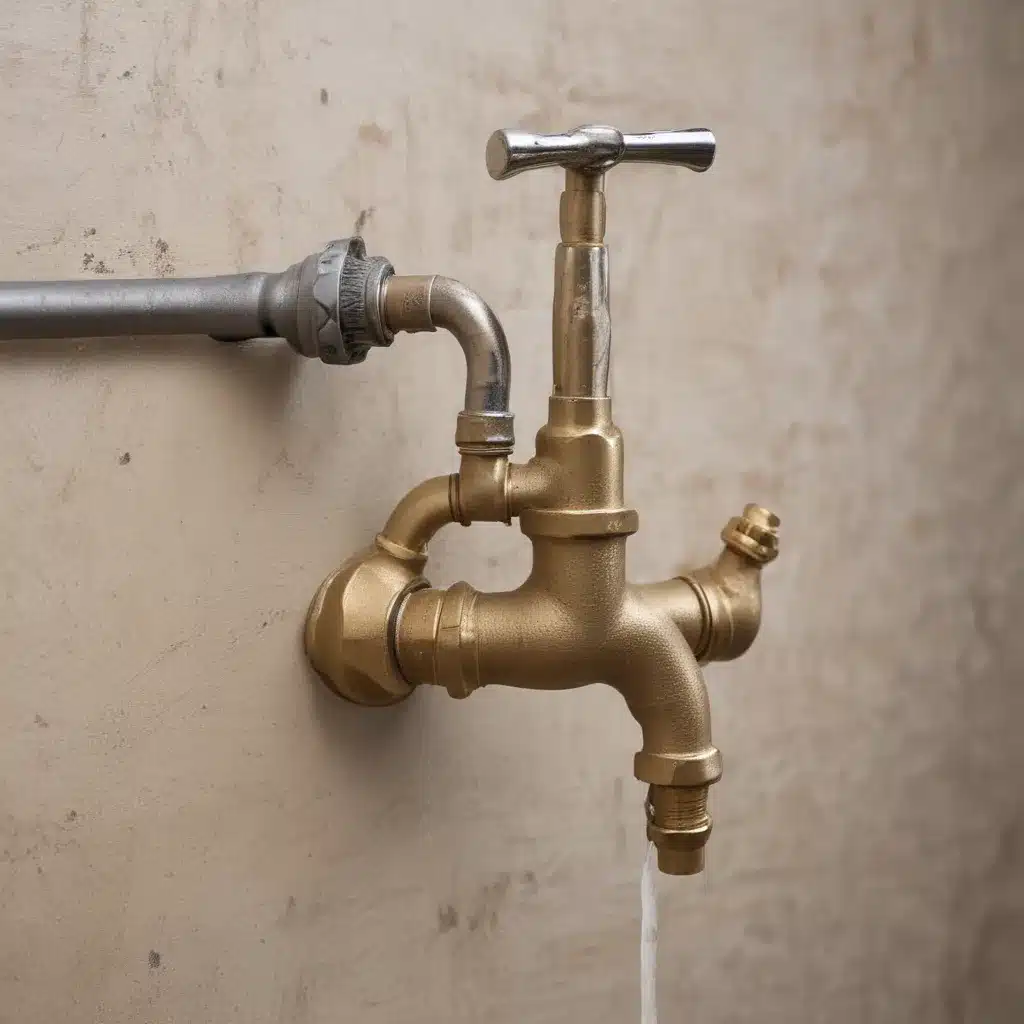
The first line of defense against frozen pipes is good old-fashioned insulation. Focus on any exposed pipes, like those running along exterior walls or in the attic. Wrap them up in insulation sleeves or heat tape to create a cozy barrier against the cold. Don’t forget about those outdoor faucets either – invest in some Styrofoam or plastic faucet covers to keep them from freezing solid.
2. Let the Drips Flow
Sometimes, the best defense is a good offense. Allowing a faucet to drip during extended freezing temperatures can actually help prevent your pipes from bursting. The constant trickle of water keeps the liquid moving, making it harder for ice to form. Just be sure to only let the cold water drip, as hot water can actually speed up the freezing process.
3. Seal Those Cracks and Gaps
Alright, now that you’ve got the pipes covered, it’s time to turn your attention to the rest of your home. Take a good long look around, both inside and out, and seal up any cracks, gaps, or openings that could let in that bone-chilling winter air. This might involve caulking, weatherstripping, or even insulating your home’s exterior. Trust me, a few bucks spent on these simple fixes can save you a whole lot of headache down the line.
4. Monitor Your Thermostat
I know, I know – keeping the heat cranked up all winter long can be a real energy-saver, but hear me out. Maintaining a consistent indoor temperature, even when you’re not home, is crucial for preventing those pesky pipe freezes. Aim to keep your thermostat set at a minimum of 55°F (13°C) – any lower and you’re just asking for trouble.
5. Know Where to Find Your Water Shut-Off
When disaster strikes and those pipes do freeze, the last thing you want to be doing is frantically searching for your home’s main water shut-off valve. Take a few minutes to locate it now, and make sure everyone in your household knows where it is too. That way, if a pipe does burst, you can act quickly to minimize the damage and get things flowing again.
Dealing with the Aftermath: Thawing and Repairing
Alright, so you’ve done everything you can to prevent those pipes from freezing, but Mother Nature had other plans. Maybe you came home to a dribbling faucet, or maybe you woke up to a full-on flood. Either way, don’t panic! There are still steps you can take to get things back in working order.
Thawing Frozen Pipes
The first step is to tackle the frozen pipes themselves. If some of your faucets are working and others aren’t, you likely have a frozen pipe on your hands. Start by turning on the affected faucet and letting the water drip. This helps relieve pressure in the pipe and can sometimes get the thawing process started on its own.
If that doesn’t do the trick, it’s time to bring in the big guns. Reach for a good old-fashioned space heater, hair dryer, or even a heat lamp and focus the warm air directly on the frozen section of pipe. Just be sure to keep a close eye on things and never leave the house with a space heater running. Safety first, my friends!
Dealing with Burst Pipes
Yikes, a burst pipe – that’s the stuff of homeowner nightmares, am I right? But don’t worry, as long as you’ve located that main water shut-off valve, you’re one step ahead of the game. Shut off the water supply immediately to prevent any further flooding, then get to work on assessing the damage.
Depending on the extent of the break, you may be able to do a quick DIY repair with some plumbing tape or a clamp. But if the damage is more substantial, it’s best to call in a professional. They’ll be able to properly diagnose the issue, provide a reliable fix, and ensure your home is safe and sound.
Preparing for the Worst: Power Outages and Water Emergencies
You know what they say – hope for the best, but prepare for the worst. And when it comes to winter weather, that couldn’t be more true. Power outages and water emergencies are all too common during those chilly Aberdeen months, so it pays to have a plan in place.
First and foremost, make sure you’ve got an emergency kit stocked and ready to go. Think bottled water, non-perishable foods, flashlights, batteries, and a good old-fashioned hand-crank radio. You never know when you might need to hunker down and wait out the storm.
And when it comes to your home’s water supply, be prepared to handle any sudden changes or disruptions. If you experience a sudden loss of water pressure or a boil water notice, be ready to flush your water heater and check all your pressure relief valves. And if the power does go out, remember to keep those faucets dripping to prevent any frozen pipe catastrophes.
Winterizing Your Home: A Year-Round Effort
Now, I know what you’re thinking – all this prep work sounds like a real hassle. But trust me, a little elbow grease now can save you a whole lot of headache (and cash) down the line. After all, dealing with burst pipes and flooded basements is no one’s idea of a good time.
The key is to make winterizing your home a year-round effort. As soon as the temperatures start to dip in the fall, start checking those pipes and sealing up those cracks. That way, when the real deep freeze hits, your home will be ready to weather the storm.
And don’t forget, the team at ABC Home & Building Solutions is always here to lend a helping hand. Whether you need assistance with insulating your pipes, repairing a burst line, or even just a friendly ear to listen to your winter woes, we’ve got your back. So don’t be a stranger – give us a call, and let’s get your home ready for the chilly months ahead!