Preparing for the Freeze: A Chilly Adventure Awaits
Ah, the joys of living in Aberdeen, UK – where the winters seem to last an eternity and the freezing temperatures make even the heartiest of us long for a tropical vacation. But alas, as hardy Aberdonians, we must face the icy elements head-on and ensure our driveways and sidewalks are ready for the impending freeze.
It’s that time of year again, folks, when the cold winds start to howl and the threat of snow and ice looms large. But fear not, I’m here to guide you through the process of getting your outdoor spaces prepped and primed for the winter months. Whether you’re a seasoned homeowner or a newbie navigating these chilly waters, the tips and tricks I’m about to share will have your driveway and sidewalks in tip-top shape, ready to brave even the harshest of freezing conditions.
Crack the Code: Sealing and Repairing
Let’s start with the foundation, shall we? Those pesky cracks in your driveway and sidewalks are like an open invitation for Old Man Winter to come in and wreak havoc. According to the experts at UNIQUE Paving Materials, any cracks you have now will only get worse once the freezing temperatures set in. Why, you ask? Well, it’s all about the freeze-thaw cycle, my friends.
Rainwater and melting snow have a sneaky way of seeping into those cracks, only to freeze when the mercury drops. And when water freezes, it expands – putting serious pressure on your pavement and causing it to shift and crack even further. Then, when the ice eventually melts, the pavement remains expanded and damaged, leaving you with an unsightly and potentially hazardous mess.
The solution? Seal those cracks pronto! Give your driveway and sidewalks a protective coat with a quality sealant to fill in any pesky fissures. Not only will this prevent the freeze-thaw cycle from taking its toll, but it’ll also help protect against those pesky de-icing chemicals we’ll be using down the line.
And while you’re at it, take a good hard look at your pavement and address any other damage you might find. As the folks at UNIQUE Paving Materials say, “It is important to seal any cracks that you find prior to the winter months to avoid any of these issues.” Trust me, a little bit of preventative maintenance now will save you a whole lot of headache (and expense) later.
Drainage Dilemma: Tackling Pooling Water
Ah, but the fun doesn’t stop there, my friends. Another crucial step in getting your driveway and sidewalks winter-ready is ensuring proper drainage. You see, those pesky puddles and pools of water that tend to form after a good ol’ fashioned downpour? Well, they’re just begging to turn into sheets of treacherous ice when the temperature drops.
As the team at UNIQUE Paving Materials points out, “Poor drainage can cause melted snow to pool in your driveway. If the temperature fluctuates, puddles may turn into slick ice. Just like other cracks, the ice will expand and worsen the conditions of your concrete or asphalt.”
Don’t let Mother Nature get the upper hand here, folks. Take a good, hard look at your outdoor spaces and make sure there are no low-lying areas where water can collect. If you spot any problem spots, consider installing additional drainage to ensure those pesky puddles have nowhere to call home.
And while you’re at it, give your driveway and sidewalks a good clean. Sweep away any debris, leaves, or other gunk that could obstruct the flow of water and contribute to icy conditions. After all, a clean, well-draining surface is the first line of defense against the impending freeze.
Salting and Sanding: Your Winter Sidekicks
Alright, now that we’ve tackled the structural issues, let’s talk about the nitty-gritty of winter maintenance. When the snow starts to fly and the ice begins to creep in, you’re going to need some trusty sidekicks to help you keep your outdoor spaces safe and accessible.
Enter: salt and sand. These trusty winter warriors might not be the most glamorous of companions, but they sure are effective when it comes to combating the elements. As the experts at Earth Development point out, spreading salt on your driveway and sidewalks before the first snowfall can minimize ice formation and make the snow removal process a whole lot easier.
But hold up, not all salts are created equal, my friends. According to UNIQUE Paving Materials, some de-icing salts contain harsh chemicals that can actually erode your concrete and asphalt. So, be sure to do your research and opt for a more pavement-friendly option.
And let’s not forget about good ol’ fashioned sand. Sprinkling a generous layer of coarse sand over those slippery surfaces can provide much-needed traction for both you and your vehicles. As the Earth Development team suggests, “Focus on high-traffic areas that become hard-packed like walkways, front steps, and sloped driveways.”
Remember, when it comes to keeping your driveway and sidewalks safe, a little bit of salt and sand can go a long way. So, stock up, my friends, and get ready to wage war against the icy forces of winter.
Snow Removal: Your Winter Workout
Ah, the joys of shoveling snow – there’s nothing quite like it to get the heart pumping and the muscles burning. But fear not, my friends, for there are ways to make this wintertime ritual a little less daunting.
First and foremost, as the Earth Development team suggests, it’s crucial to stay on top of the snow removal process. Don’t wait until your driveway and sidewalks are buried under a thick layer of the white stuff – be proactive and clear them off regularly. This not only makes the task more manageable but also helps prevent the formation of those pesky ice patches.
And speaking of ice, as the Reddit users in Portland noted, sometimes it’s better to leave a thin layer of snow on your walkways rather than clearing them completely. Why, you ask? Well, that semi-compacted snow can actually provide better traction than a completely clean (and potentially icy) surface.
Of course, if you’re not a fan of the manual labor involved, there’s always the option of investing in a trusty snow blower. But be warned, my friends, these machines can be temperamental beasts, and you’ll need to ensure yours is in tip-top shape before the first flakes start to fall.
And speaking of preparations, the Earth Development team recommends creating a “snow removal kit” with all the essentials, like salt, sand, and a sturdy shovel. That way, you’ll be ready to tackle any winter weather that comes your way, no matter how sudden or severe.
So, embrace your inner winter warrior, my friends, and get ready to (literally) shovel your way through the season. With a little bit of planning and preparation, you’ll be conquering those snow-covered driveways and sidewalks like a pro.
Heated Driveways: The Lazy Person’s Dream
But what if I told you there’s a way to avoid the whole snow shoveling thing altogether? Enter: the heated driveway.
Now, I know what you’re thinking – “A heated driveway? That’s the stuff of dreams, not reality!” But according to the experts at Earth Development, these nifty little systems are actually a thing, and they can be a total game-changer when it comes to conquering the winter weather.
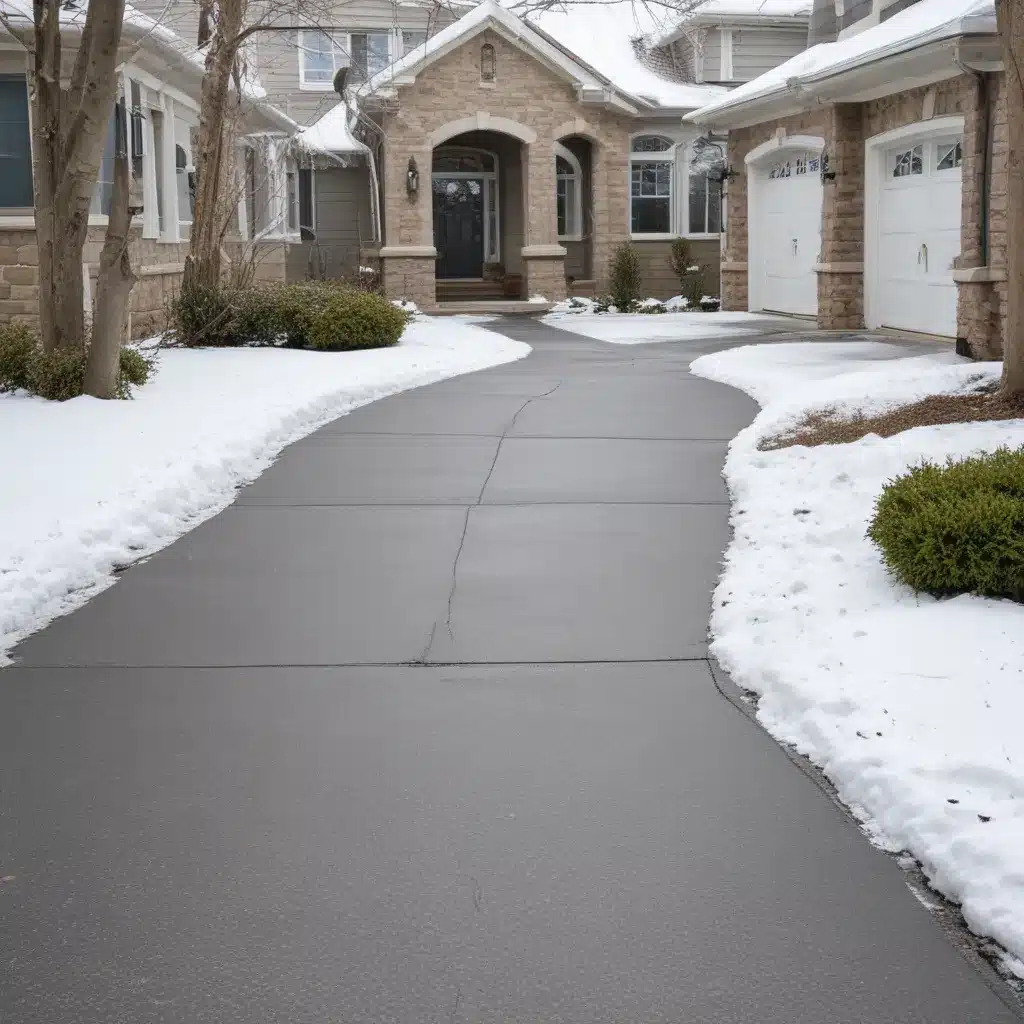
Essentially, these heated driveways use either electric or hydronic (water-based) systems that are installed beneath the surface of your pavement. When the temperatures start to drop, the heating elements kick in, keeping your driveway and sidewalks clear of snow and ice, and providing safe, slip-free traction for both you and your vehicles.
Now, I know what you’re thinking – “But won’t that cost an arm and a leg?” Well, you’re not wrong. Heated driveways are a bit of an investment, but the Earth Development team argues that they’re a “convenient solution for dealing with cold winters.” And let’s be real, how much is your time and safety worth when it comes to navigating those icy conditions?
So, if you’ve got the budget and the inclination, a heated driveway just might be the solution to all your winter woes. Sit back, relax, and let the technology do the hard work while you sip your hot cocoa and watch the snow fall. Sounds pretty darn appealing, if you ask me.
Bringing it all Together: Your Winter Prep Checklist
Alright, let’s recap, shall we? Here’s your ultimate checklist for getting your driveway and sidewalks ready for the big freeze:
- Seal those cracks! Give your pavement a protective coat to prevent the freeze-thaw cycle from wreaking havoc.
- Address any other damage, like potholes or uneven surfaces, to ensure a smooth, safe surface.
- Check your drainage and make sure there are no low-lying areas where water can collect and turn to ice.
- Stock up on snow-melting salts and coarse sand to provide traction and prevent icy conditions.
- Create a snow removal plan and kit, and be prepared to clear your outdoor spaces regularly.
- Consider investing in a heated driveway system for a truly hands-off approach to winter weather.
Remember, my fellow Aberdonians, preparation is key when it comes to conquering the icy elements. So, let’s roll up our sleeves, put on our winter boots, and get to work – because before you know it, the deep freeze will be upon us, and we’ll be grateful for all the hard work we put in.
And who knows, maybe with a little bit of luck (and a lot of elbow grease), we’ll even have time to sneak in a tropical vacation once the thaw sets in. A person can dream, right?