The Changing Landscape of Construction
As the world grapples with the urgent need to address climate change, the construction industry has found itself at a critical crossroads. Traditional building materials like concrete, steel, and brick have long been the backbone of our built environment, but their environmental impact has become increasingly concerning.
I’ll never forget the day I first learned about the staggering contribution of the construction industry to global greenhouse gas emissions. It was like a punch to the gut – 39% of all energy-related carbon dioxide emissions? That’s an astounding figure, and it sparked a fire within me to explore more sustainable alternatives.
Sustainable Alternatives Take the Stage
In recent years, a wave of innovation has swept through the construction industry, with architects, designers, and builders embracing a more eco-conscious approach. One material that has gained significant attention is cross-laminated timber (CLT). CLT is a wood product that serves as a viable alternative to concrete and steel, offering a host of benefits that make it a game-changer in the quest for sustainable construction.
What makes CLT so remarkable? For starters, it’s a renewable resource, crafted from layers of wood panels that are glued together in alternating directions. This process results in a material that is incredibly strong, lightweight, and fire-resistant. But perhaps the most compelling aspect of CLT is its low carbon footprint, as it emits far less greenhouse gases during production compared to traditional building materials.
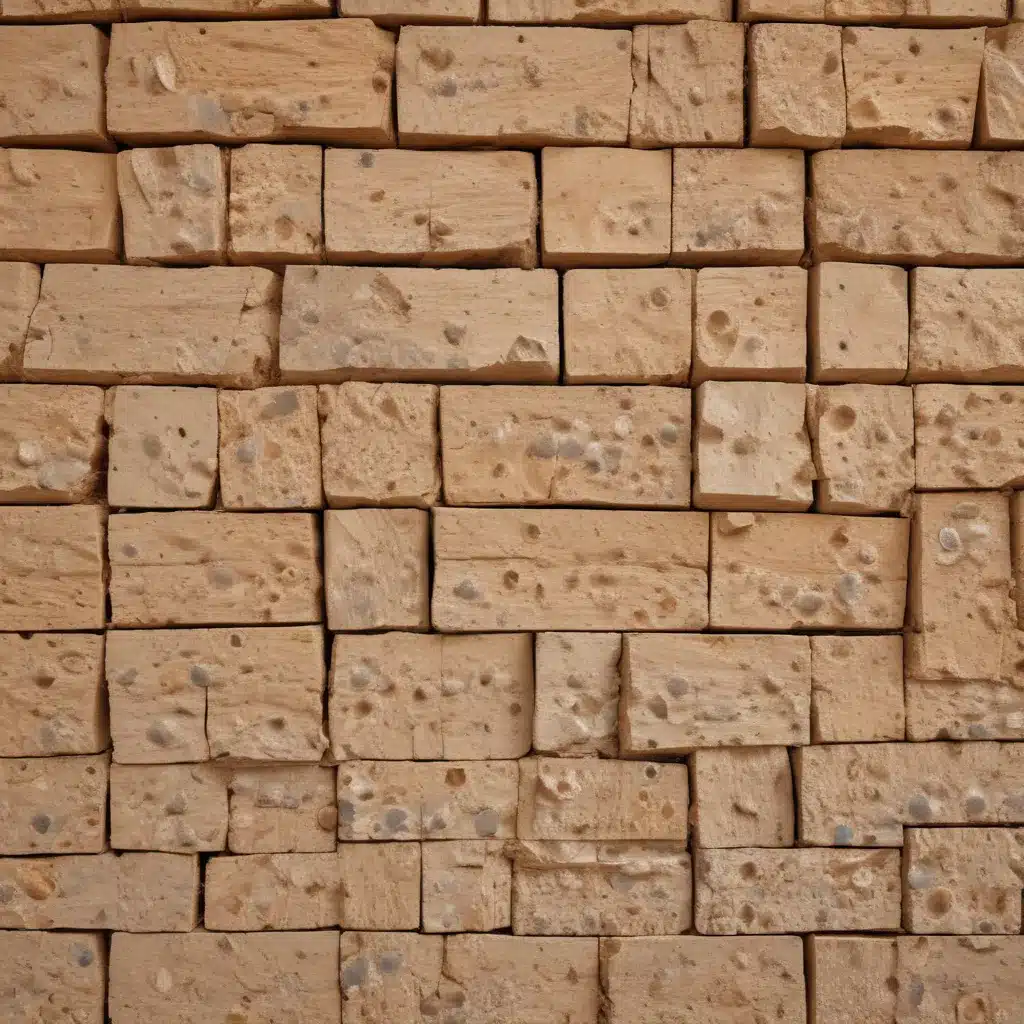
Another sustainable option that has been gaining traction is rammed earth. This traditional building technique involves compacting a mixture of earth, gravel, and other natural materials into sturdy walls. Rammed earth structures not only have a high thermal mass, which helps regulate indoor temperatures, but they are also incredibly durable and require minimal maintenance.
But the sustainability revolution doesn’t stop there. Recycled materials are also making their way into the construction industry, with recycled steel, concrete, and even plastic being incorporated into building projects. By diverting these materials from landfills, we can significantly reduce waste and conserve natural resources.
Embracing a Holistic Approach
As I delved deeper into this topic, I realized that rethinking building materials is not just about finding greener alternatives – it’s about adopting a holistic approach to construction that prioritizes sustainability, functionality, and aesthetics.
Take the concept of arsitektur nusantara, for example. This Indonesian architectural philosophy, championed by the late architect Y.B. Mangunwijaya, emphasizes the integration of traditional building techniques and materials with modern technology and design. Mangunwijaya believed that the true essence of architecture lies not just in the physical structure, but in the way it harmonizes with its surroundings and the community it serves.
One of the standout examples of this approach is the Alfa Omega School in Tangerang, Banten, which is primarily constructed using natural materials like bamboo and rammed earth. But the design goes beyond just the materials – it incorporates passive cooling systems that harness the local climate to keep the building comfortable without relying on energy-intensive air conditioning.
Rethinking the Role of Tradition
As I continued my research, I discovered that the relationship between traditional architecture and contemporary design has been a complex and often contentious one, particularly in the context of Indonesia’s rich cultural heritage.
During the Dutch colonial era, traditional architecture was often framed as backwards and static, a remnant of the past that needed to be modernized. This top-down approach continued even after Indonesia gained independence, with the government using traditional building forms as a way to represent the nation’s diverse cultural identity.
However, a new generation of architects in Indonesia has been pushing back against this superficial integration of tradition. They’re exploring more nuanced and inclusive ways of incorporating traditional elements, focusing on the underlying principles and craftsmanship that have sustained these building practices for generations.
One standout example is the Islamic Center in West Tulang Bawang, Lampung, designed by architect Andra Matin. Rather than simply replicating the iconic rooflines of traditional Lampungese architecture, Matin drew inspiration from the overlapping and interlocking arrangement of the roofs, creating a structure that seamlessly blends modern and traditional elements.
Rethinking the Role of the Architect
As I delved deeper into these case studies, I began to realize that the role of the architect in this sustainable construction revolution is not just about designing beautiful and functional buildings – it’s about embracing a more holistic, community-centric approach.
Take the example of Eko Prawoto’s work in the village of Ngibikan, Yogyakarta. After an earthquake devastated the community, Prawoto didn’t just design a basic, earthquake-proof house plan – he worked closely with the local craftsman, Maryono, to empower the villagers to collectively rebuild their homes. This emphasis on reviving traditional building practices and community collaboration is a far cry from the typical top-down approach.
Similarly, architects like Eko Prawoto, Yu Sing Lim, and Yoshi Fajar Kresno Murti have embraced the reuse and repurposing of traditional Javanese houses, not just as a sustainable practice, but as a way to honor the craftsmanship and cultural heritage embedded in these structures.
The Future of Construction
As I look to the future of the construction industry, I can’t help but feel a sense of excitement and optimism. The shift towards sustainable and recyclable building materials, the integration of traditional techniques with modern design, and the growing emphasis on community-centric architecture – all of these developments point to a future where our built environment is not just functional, but in harmony with the natural world and the communities it serves.
And here at ABC Home, we’re proud to be at the forefront of this revolution. We’re committed to exploring innovative building solutions, collaborating with local craftsmen, and creating spaces that not only meet the needs of our clients, but also contribute to a more sustainable and resilient future.
So, as you embark on your next building or renovation project, I encourage you to rethink the traditional materials and consider the wealth of sustainable alternatives that are available. By embracing this change, we can create a built environment that not only stands the test of time, but also helps to safeguard the future of our planet.