The Unseen Menace: Confronting Lead Hazards in Your Older Home
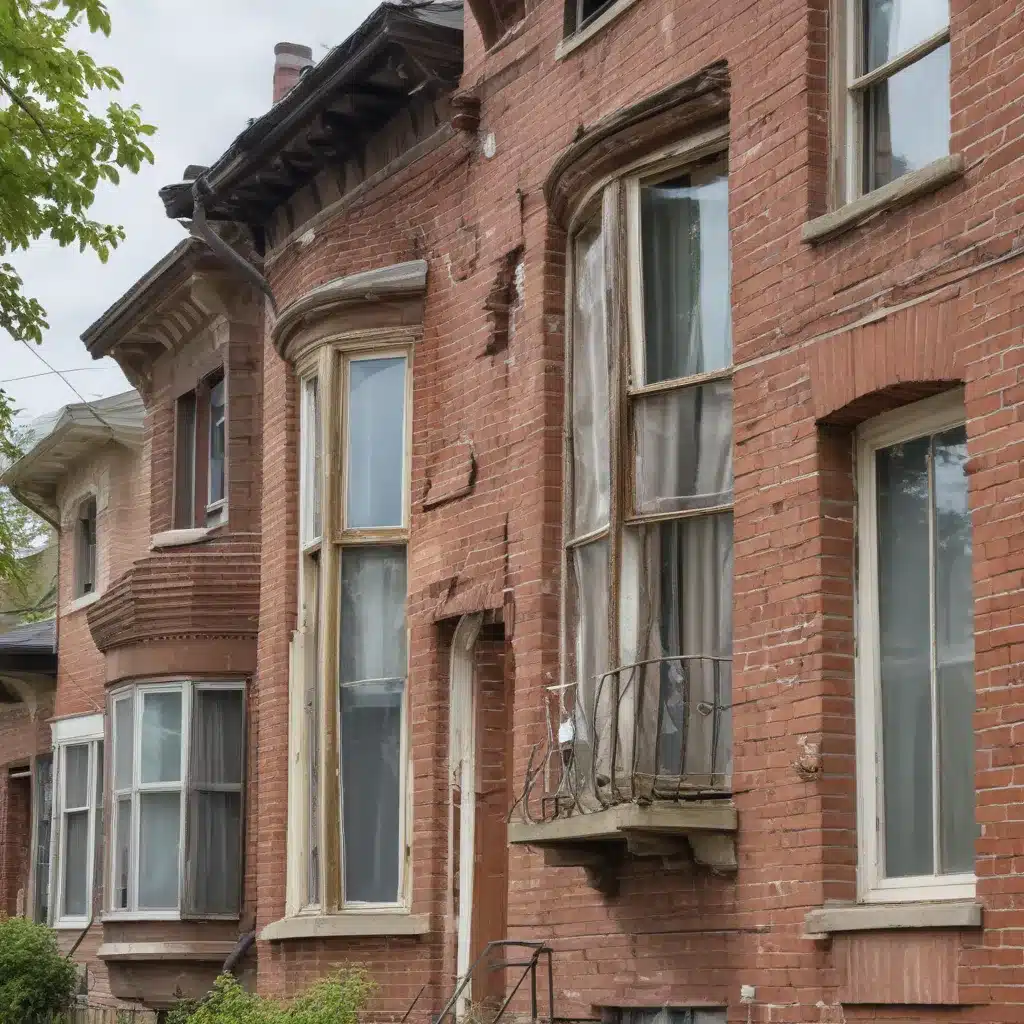
As a homeowner in Aberdeen, UK, I’ve learned that our beloved older homes can sometimes harbor unseen dangers. One of the most insidious threats lurking within these historic walls is the presence of lead – a toxic heavy metal that can wreak havoc on our health, especially for our little ones.
When I first bought my 1920s fixer-upper, I’ll admit, the idea of lead exposure never even crossed my mind. I was so enamored with the charming period features and the potential to put my own stamp on the place. But as I dove into researching the necessary renovations, I stumbled upon some sobering statistics that made my heart sink.
According to UNICEF, lead exposure is one of the leading causes of loss of intelligence quotient (IQ) points and lifelong neurological damage in children. The report also states that “young children are at highest risk of lead exposure, as their developing brains and bodies absorb lead more easily than adults.” Yikes – that certainly got my attention as a parent of two young kiddos!
Unraveling the Lead Legacy
As I delved deeper, I learned that the presence of lead in our older homes is a legacy of the past. The U.S. Environmental Protection Agency (EPA) explains that lead-based paint was widely used in homes and buildings constructed before 1978. When this paint chips, peels, or is disturbed during renovations, it can release lead dust that is easily inhaled or ingested, especially by young children.
But the lead threat doesn’t stop there. Many older homes also have lead-containing plumbing materials, which can contaminate the water supply. The City of Buffalo’s website provides a sobering reminder that “Lead Based Hazards are a legacy of Buffalo’s industrial heritage and remain in many of our older homes and buildings.” And let’s not forget about the potential for lead-laced soil around the property, which can also pose a risk.
As I grappled with this information, I couldn’t help but feel a sense of unease creeping in. My vision of a beautifully restored home suddenly felt tainted by the shadow of this invisible menace. But I knew I couldn’t bury my head in the sand – I had to take action to protect my family.
Confronting the Challenge: A Comprehensive Approach
So, I rolled up my sleeves and dove headfirst into devising a comprehensive plan to mitigate the lead risks in my home. It wasn’t going to be easy, but I was determined to create a healthy, safe environment for my loved ones.
The first step was to conduct a thorough assessment of the property. As the National Institutes of Health (NIH) emphasizes, “the most important step in addressing lead hazards is to identify the source of exposure”. I hired a certified lead inspector to thoroughly examine the house, from the paint on the walls to the pipes in the plumbing system. Armed with this detailed information, I could then develop a targeted action plan.
Next, I worked closely with a reputable building and renovation company, ABC Home, to devise a strategy for addressing the identified lead hazards. Their team of experts guided me through the process, outlining the necessary steps and providing valuable insights every step of the way.
Tackling the Dangers: Encapsulation, Removal, and Replacement
One of the key approaches we employed was lead paint encapsulation. The U.S. Department of Housing and Urban Development (HUD) explains that encapsulation involves “applying a sealant or binding material that forms a barrier between the lead-based paint and the environment”. This method allows us to safely contain the hazard without the need for potentially risky full-scale removal.
In areas where encapsulation wasn’t feasible, we opted for complete lead paint removal. This process required meticulous planning and adherence to strict safety protocols to prevent the spread of lead dust. The team at ABC Home utilized specialized equipment and techniques to ensure that the job was done right, minimizing any potential for contamination.
But the lead threat didn’t stop at the paint. We also had to address the aging plumbing system, which was found to contain lead components. Here, the solution was straightforward: complete replacement. By swapping out the old lead pipes and fixtures with modern, lead-free alternatives, we could eliminate this source of potential exposure.
Embracing a Dust-Free, Lead-Safe Lifestyle
With the major structural changes in place, I knew the work wasn’t over. Maintaining a lead-safe environment in my home would require ongoing vigilance and a shift in my daily habits.
I’ve become a true champion of dust control, learning that “keeping the home as dust free as possible, especially around windows and doors, and keeping painted surfaces intact” is crucial for safeguarding against lead exposure, as the City of Buffalo’s website advises. That means regular deep cleaning, with special attention paid to high-traffic areas and windowsills.
And when it comes to renovations or repairs, I’ve learned to always err on the side of caution. Proper safety techniques, like using HEPA-filtered vacuums and avoiding the use of power tools that can generate lead dust, are now second nature. I’ve even invested in a lead test kit to give me peace of mind before tackling any DIY projects.
The Rewards of Vigilance: A Healthier, Happier Home
As I reflect on the journey of mitigating the lead risks in my older home, I can’t help but feel a sense of pride and relief. It wasn’t an easy or inexpensive process, but the peace of mind it has brought is priceless.
Gone are the days of worrying about the invisible dangers lurking within my walls. Instead, I can focus on enjoying the timeless beauty and character of my historic home, secure in the knowledge that my family is safe from the toxic legacy of lead. And I take comfort in the fact that I’ve set a strong foundation for a healthier, happier future.
If you’re a fellow homeowner in Aberdeen, UK, facing the challenge of lead hazards in your older property, take heart. With the right knowledge, resources, and a dedicated team by your side, you too can conquer this unseen menace and reclaim the joy of your cherished home. After all, our families deserve nothing less than a lead-free, toxin-free haven.