The Joy of Less: Embracing Minimalism in Home Design
Ah, the pursuit of the perfect home – where do I even begin? As someone who’s been in the building and renovation business in Aberdeen for over a decade, I’ve seen it all. From grandiose mansions to cozy little cottages, each homeowner has their own unique vision. But you know what I’ve noticed? The ones who seem the happiest, the most content, are the ones who have embraced the minimalist lifestyle.
I remember this one client of ours, Sarah. She came to us with a modest-sized flat, but she had big dreams. “I want a space that feels airy, serene, and uncluttered,” she told us. “None of this heavy, ornate furniture and knick-knacks everywhere. Just clean lines, neutral tones, and a sense of calm.” Now, I’ll admit, when she first told me her vision, I was a bit skeptical. “Minimalism, huh? Isn’t that just a fancy way of saying ‘boring’?” I chuckled. Boy, was I in for a surprise.
Minimalism: More Than Meets the Eye
As we started the renovation process, I quickly realized that there was so much more to minimalist design than I had initially thought. It wasn’t about stripping everything down to the bare essentials, creating a cold, lifeless space. Rather, it was about carefully curating every element, ensuring that each piece had a purpose and a place.
The way Sarah described it, minimalism was all about finding the perfect balance – between function and form, between simplicity and sophistication. “It’s not about having less,” she explained. “It’s about having exactly what you need, and nothing more.” Intrigued, I started to do some research of my own, and what I discovered was nothing short of fascinating.
Minimalism, it turns out, has deep roots in various design movements throughout history – from the clean, geometric lines of Bauhaus to the sleek, industrial aesthetic of mid-century modern. But it’s not just a visual style; it’s a way of life, a philosophy that encourages us to let go of the excess and focus on what truly matters.
And you know what? The more I learned about it, the more I started to see the appeal. In a world that’s constantly bombarding us with clutter, with too many choices, with a never-ending stream of stuff, the idea of simplifying, of paring down, started to feel almost liberating.
The Benefits of Minimalist Design
As we delved deeper into Sarah’s renovation project, I couldn’t help but notice the tangible benefits of embracing a minimalist approach. For one, the sense of spaciousness and airiness was palpable. Even in her relatively small flat, the careful placement of furniture, the strategic use of lighting, and the absence of unnecessary decor created an illusion of expansiveness that was truly remarkable.
But it wasn’t just the physical space that felt transformed; there was a psychological shift as well. “I feel like I can breathe in here,” Sarah would often comment. “There’s a clarity, a calmness, that I just didn’t have before.” And you know, she’s right. Numerous studies have shown that living in a decluttered, minimalist environment can have a profound impact on our mental well-being, reducing stress and even improving our overall quality of life.
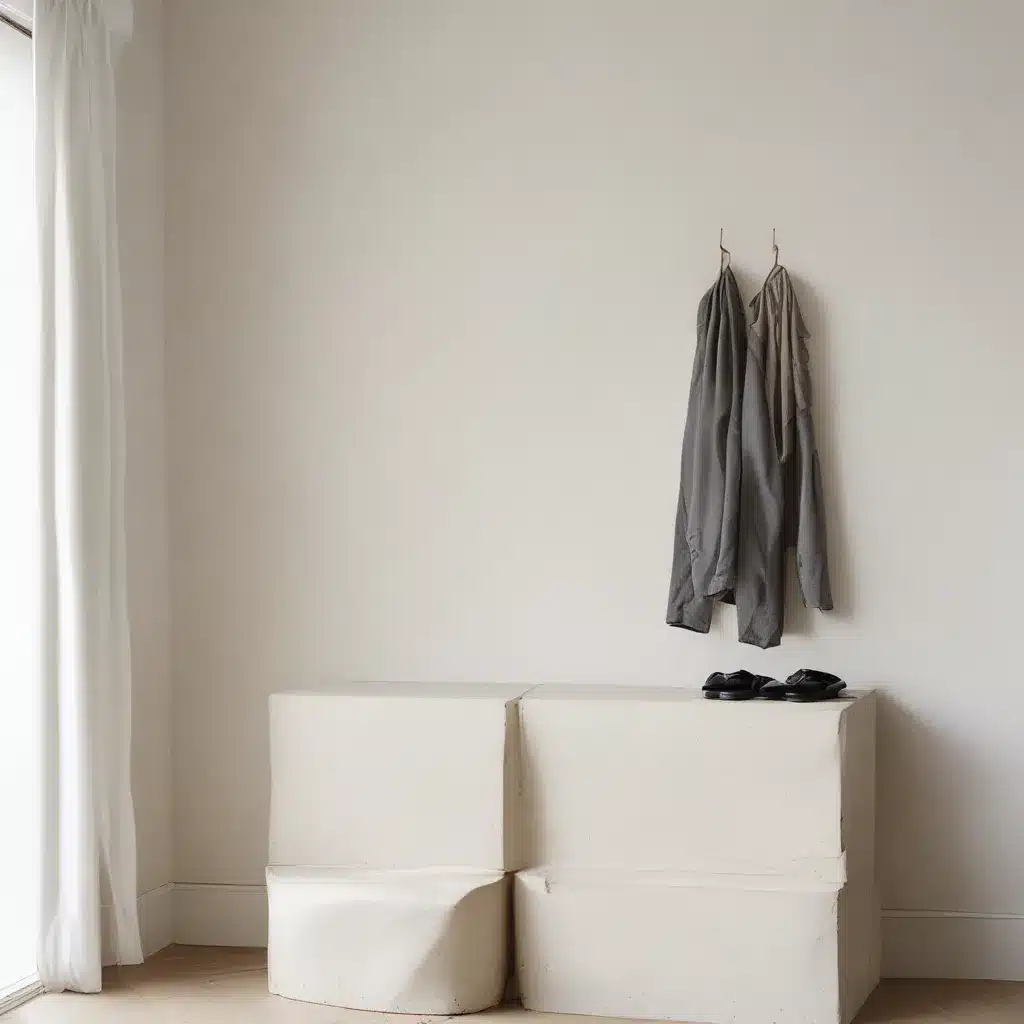
And the best part? Minimalist design doesn’t have to be boring or sterile. In fact, when done right, it can be utterly chic and sophisticated. Sarah’s flat was a testament to this; with its sleek, neutral palette, clean-lined furniture, and carefully curated accents, it oozed a sense of elegant simplicity that was simply irresistible.
Mastering the Art of Minimalist Design
So, how can you achieve this elusive minimalist look in your own home? Well, let me tell you, it’s not as simple as it might seem. (Pun intended!) Minimalism is all about striking that delicate balance, and it takes a keen eye and a lot of discipline to pull it off.
One of the key principles of minimalist design is to focus on function over form. Every element in your space should serve a purpose, whether it’s a piece of furniture, a decorative accent, or even a kitchen utensil. Ask yourself: “Do I really need this? Does it contribute to the overall aesthetic and functionality of the space?” If the answer is no, then it’s time to let it go.
Another important aspect of minimalist design is the use of clean, uncluttered lines and a cohesive color palette. Stick to a neutral base, like crisp white walls or natural wood tones, and then layer in subtle pops of color or texture to add visual interest. Avoid busy patterns, overly ornate details, and anything that might distract from the overall sense of simplicity and serenity.
And speaking of serenity, one of the hallmarks of minimalist design is the creation of a peaceful, calming atmosphere. This is where the strategic use of lighting comes into play. Opt for soft, diffused lighting, whether it’s from floor lamps, wall sconces, or even natural daylight streaming in from large windows. Avoid harsh, directional lighting that can create harsh shadows and an unwelcoming feel.
But perhaps the most important aspect of minimalist design is the ability to let go. It’s about resisting the urge to fill every nook and cranny with stuff, and instead, embracing the power of negative space. Allow your eyes to rest, to find respite in the open, uncluttered areas of your home. Trust me, it’s a game-changer.
Bringing Minimalism to Life: A Case Study
Remember Sarah, the client I mentioned earlier? Well, I’m proud to say that her renovation project was a resounding success, and a true testament to the power of minimalist design.
When we first started working together, Sarah was adamant about her vision. “I want a space that feels calming, but not sterile,” she told us. “I want it to be functional, but also beautiful.” And let me tell you, that’s exactly what she got.
The transformation was nothing short of remarkable. Gone were the bulky, ornate pieces of furniture, replaced by sleek, clean-lined sofas and tables. The walls were painted a soft, neutral gray, punctuated by the occasional piece of minimalist artwork. And the lighting? Ah, the lighting was simply divine – a carefully curated mix of floor lamps, sconces, and recessed fixtures that created a warm, inviting glow.
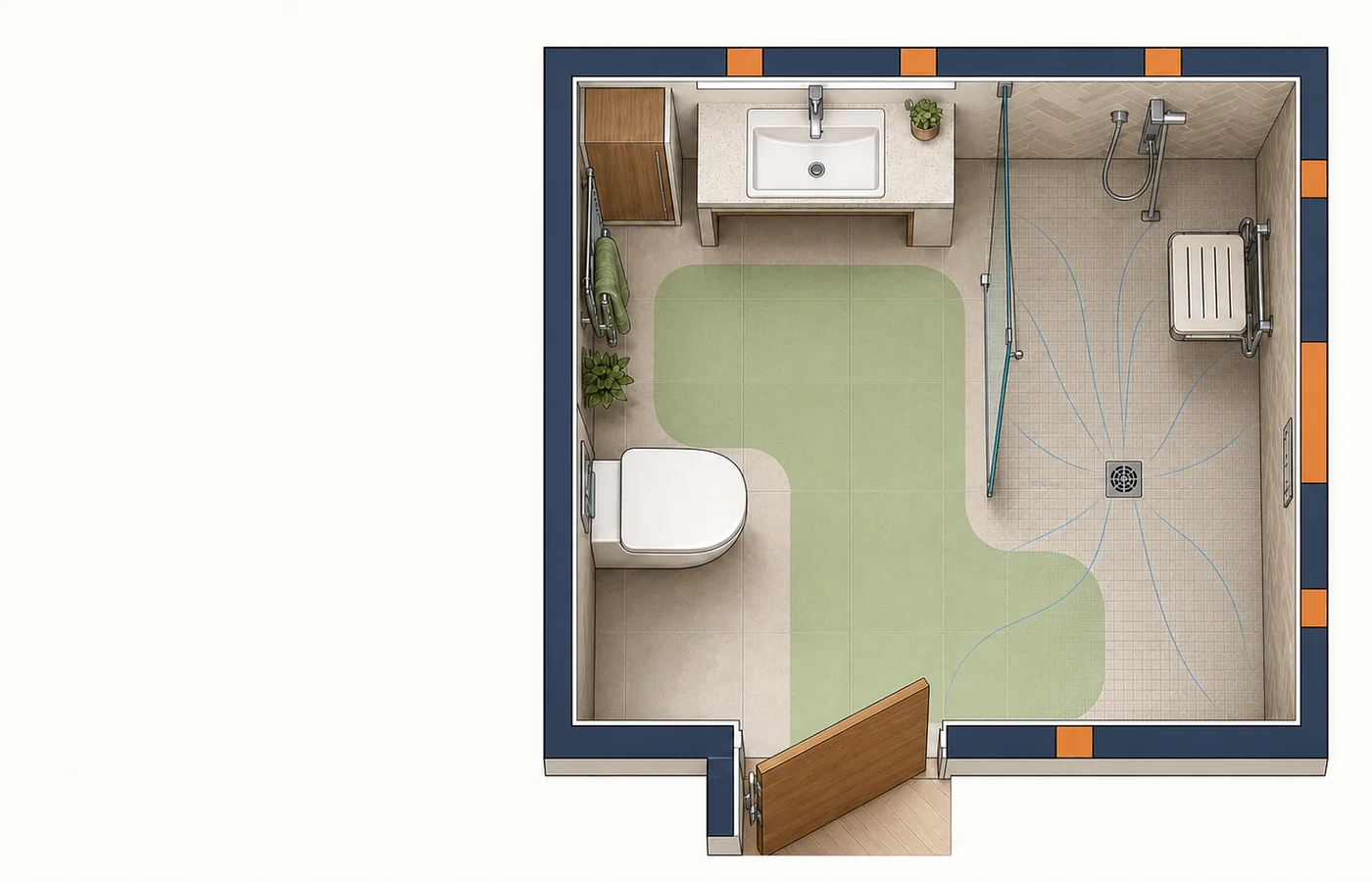
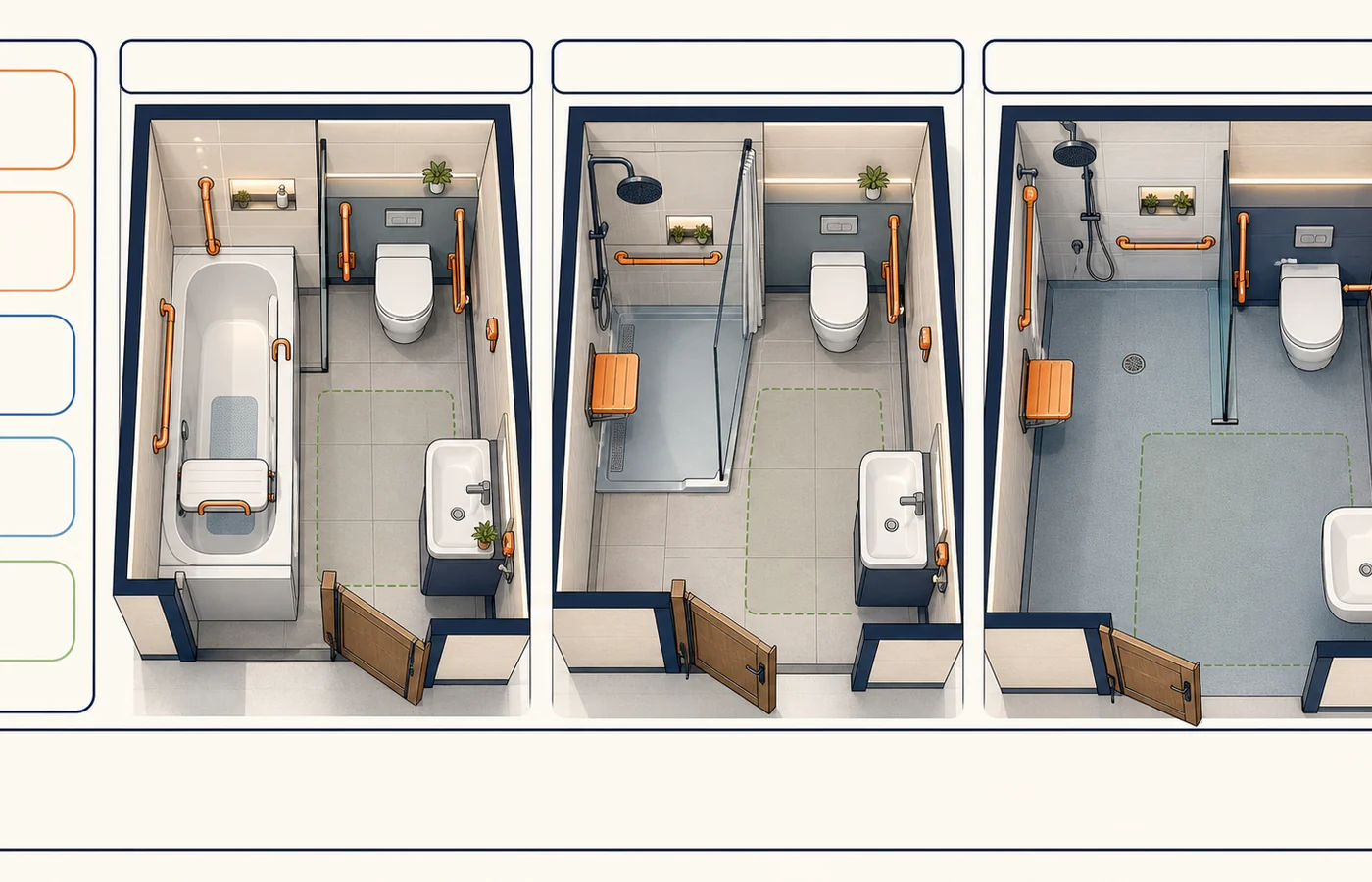
But the real magic happened in the small details. Sarah’s kitchen, for instance, was a masterclass in minimalist organization. Every utensil, every appliance, had its designated spot, with no clutter or chaos in sight. And in the bathroom, the vanity was a study in elegant simplicity, with a single, modern faucet and a minimalist mirror that seemed to float on the wall.
The end result? A space that was not only beautiful, but also incredibly functional and soothing to the senses. And you know what? Sarah couldn’t have been happier. “I feel like I can finally breathe in my own home,” she told me, a serene smile spreading across her face. “It’s exactly what I wanted – and so much more.”
Embracing the Minimalist Mindset
As I reflect on Sarah’s renovation journey, I can’t help but feel inspired. Minimalist design isn’t just about aesthetics; it’s about a mindset, a way of living that can profoundly impact our lives in ways we never imagined.
You see, when we surround ourselves with only the essentials, when we let go of the excess, we create space – space for clarity, for focus, for true contentment. It’s a freedom that’s hard to describe until you’ve experienced it for yourself.
And the best part? Minimalist design isn’t just for the privileged few. It’s a philosophy that anyone can embrace, regardless of the size or layout of their home. Whether you live in a sprawling mansion or a cozy studio apartment, the principles of minimalism can be applied to create a space that’s tailored to your unique needs and lifestyle.
So, if you’re feeling overwhelmed by the clutter and chaos of modern life, I encourage you to take a step back and explore the world of minimalist design. Trust me, it might just be the key to unlocking a whole new level of peace, joy, and contentment in your life. After all, as the old saying goes, “less is more” – and in the case of minimalist design, that couldn’t be more true.
And who knows, you might even find that your renovation project turns into a true labor of love, much like it did for Sarah. After all, there’s something incredibly satisfying about creating a space that’s not only beautiful, but also reflects your values and your commitment to a more mindful, intentional way of living.
So, are you ready to embrace the joy of less? Then let’s get started! Visit our website to learn more about our building and renovation services, and let’s work together to create the minimalist oasis of your dreams.