The Transformative Power of Adaptive Architecture
As a building and renovation company in Aberdeen, UK, we’ve had the privilege of witnessing the profound impact that adaptable and accessible designs can have on people’s lives. It’s a subject that’s near and dear to my heart, and one that I’m passionate about exploring in depth.
You see, I believe that the spaces we inhabit have the power to either enable or hinder our ability to live life to the fullest. And when it comes to accessibility, the stakes are even higher. That’s why I’ve dedicated my career to helping create environments that are not just visually appealing, but truly inclusive and empowering.
But what exactly do I mean by “adaptable and accessible designs”? Well, let me tell you a story that I think will help shed some light on the topic.
Crafting Spaces that Adapt to Our Needs
It was a few years ago when I received a call from a family in Aberdeen who were in the midst of a major home renovation. The parents, both in their 60s, were facing increasing mobility challenges due to arthritis, and their teenage son had recently been diagnosed with a rare neurological condition that left him wheelchair-bound.
As you can imagine, their existing home was simply not equipped to meet the evolving needs of their family. The narrow hallways, steep stairs, and inaccessible bathrooms had become a daily source of frustration and hardship.
But rather than viewing this as an insurmountable obstacle, the family saw it as an opportunity to create a truly adaptable and accessible home. And that’s where my team and I came in.
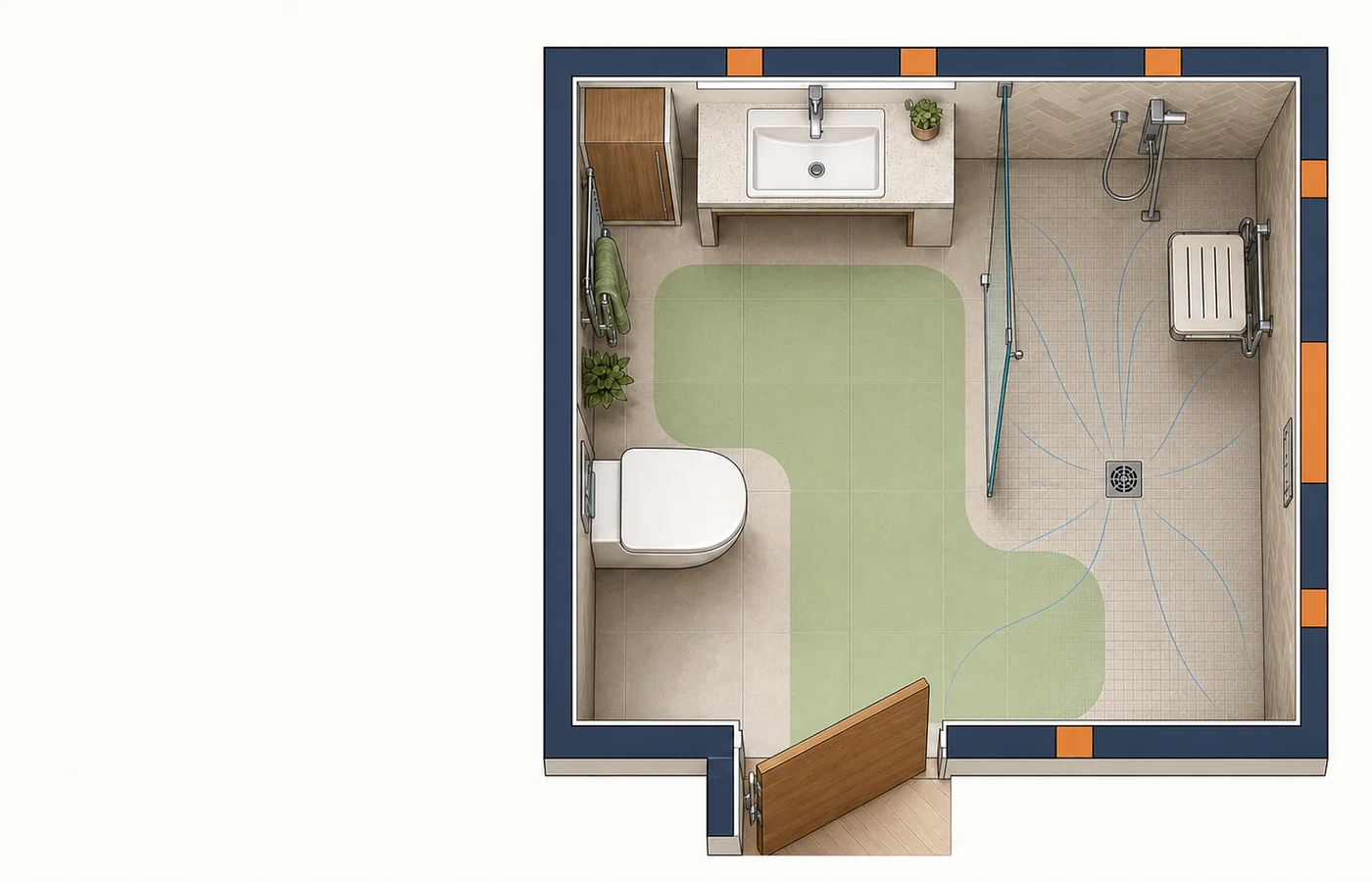
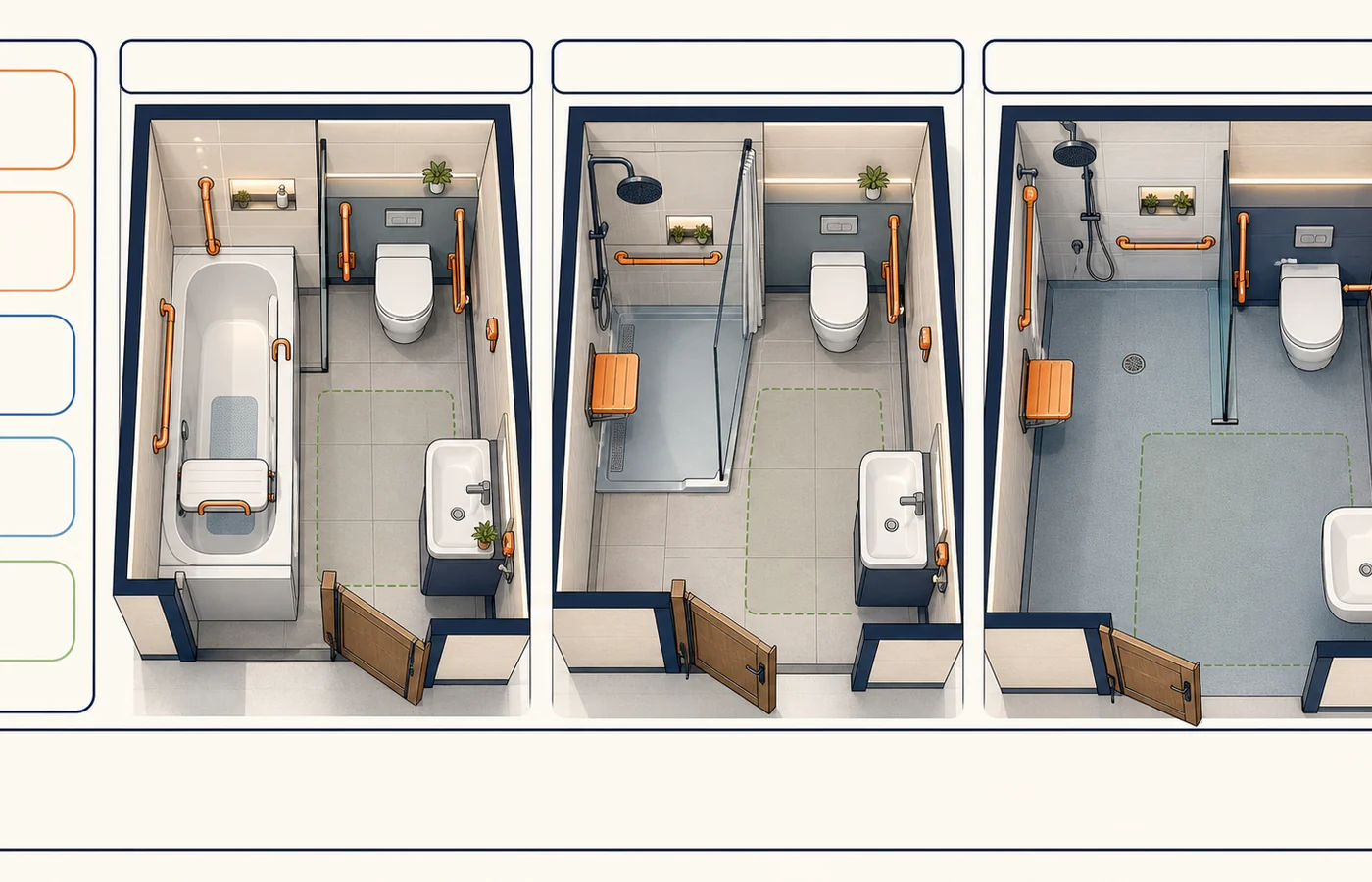
We started by carefully assessing the layout and design of the existing structure, looking for ways to maximize functionality and flow. This involved widening doorways, installing ramps and elevators, and designing a fully wheelchair-friendly bathroom – complete with a spacious shower, adjustable vanity, and handrails galore.
But the real magic happened when we began to incorporate flexible and modular elements into the design. Movable walls, adjustable countertops, and even a height-adjustable kitchen island – these were just a few of the features that allowed the home to evolve alongside the family’s changing needs.
And let me tell you, the transformation was nothing short of remarkable. The once-cramped and inaccessible space had been transformed into a true oasis of comfort and independence. The parents no longer had to struggle with the physical demands of their home, and their son could freely navigate his surroundings with ease.
Accessibility: A Cornerstone of Inclusive Design
But this story is just the tip of the iceberg when it comes to the power of adaptable and accessible designs. You see, the principles of inclusive architecture extend far beyond the realm of physical mobility.
For example, consider the needs of individuals with sensory processing disorders or autism spectrum conditions. These individuals often thrive in environments that are designed to minimize sensory overload – think soft lighting, muted colors, and strategic sound-dampening materials.
Or what about the elderly, who may be grappling with age-related vision or hearing challenges? Carefully considered design elements, such as high-contrast surfaces, large-print signage, and enhanced acoustic solutions, can make a world of difference in their quality of life.
The truth is, when we approach design with a truly inclusive mindset, we unlock a world of possibilities. We create spaces that not only look beautiful, but also empower people of all abilities to live, work, and play with dignity and independence.
Embracing the Challenge of Accessible Design
Now, I know what you might be thinking: “Adaptable and accessible design? Sounds great in theory, but isn’t it just too complicated and expensive to implement in the real world?”
And I’ll admit, there’s certainly a learning curve involved. Navigating the various building codes, guidelines, and best practices can be a daunting task, especially for those who are new to the concept of inclusive design.
But here’s the thing: the rewards far outweigh the challenges. By embracing the principles of adaptability and accessibility, we not only create more inclusive environments, but we also unlock a wealth of innovative design possibilities.
Take, for example, the concept of universal design – the idea that we should strive to create spaces that are usable by all people, to the greatest extent possible, without the need for adaptation or specialized design. This approach has led to some truly revolutionary solutions, from self-opening doors to height-adjustable workstations.
And the best part? These innovations don’t just benefit individuals with disabilities; they enhance the user experience for everyone. After all, who doesn’t love the convenience of an automatic door or the flexibility of an adjustable desk?
Adaptive Design in Action: Case Studies from Aberdeen
Of course, the true power of adaptable and accessible design can only be fully appreciated when we see it in action. That’s why I want to share a few real-life case studies from our work here in Aberdeen.
Take, for example, the case of a local community center that we recently renovated. The center had long been a hub of activity for the surrounding neighborhood, but its outdated and inaccessible facilities had become a significant barrier to participation.
Our team set out to change that. We started by conducting a comprehensive accessibility audit, identifying key areas that needed improvement. This included widening doorways, installing ramps and elevators, and upgrading the restrooms to accommodate wheelchair users.
But the real innovation came in the form of our flexible, modular design approach. We incorporated movable walls and retractable seating, allowing the center to seamlessly adapt to the needs of different user groups – from fitness classes to community gatherings to private events.
The result? A truly inclusive and adaptable space that has breathed new life into the community center. Attendance has skyrocketed, with people of all abilities enthusiastically engaging in the wide range of programs and activities on offer.
And then there’s the case of the local small business owner who came to us for help in making her office more accessible. She had recently hired a new employee who used a wheelchair, and the existing workspace was simply not equipped to meet their needs.
Again, we took a holistic approach to the design, carefully considering the unique requirements of the space and its users. We installed height-adjustable desks, strategically placed power outlets, and a fully accessible restroom – all while maintaining a sleek and professional aesthetic.
The transformation was nothing short of remarkable. The new employee was able to seamlessly integrate into the team, and the business owner was thrilled to have created an environment that truly empowered her entire staff.
These are just a few examples of the transformative power of adaptable and accessible design. And the best part? The principles we’ve applied in these case studies can be scaled and replicated across a wide range of residential, commercial, and public spaces.
The Future of Inclusive Design
As I look to the future, I can’t help but feel excited about the endless possibilities that lie ahead in the realm of adaptable and accessible design. With the rapid advancements in technology, sustainable building materials, and innovative design thinking, the sky truly is the limit.
Imagine a world where our homes, workplaces, and public spaces are seamlessly tailored to the needs of each individual user. Where the concept of “disability” is rendered obsolete, replaced by a universal recognition that we all have unique strengths, challenges, and preferences.
This is the future that I’m working towards – a future where inclusive design is the norm, not the exception. And I’m not alone in this vision. All across the globe, architects, designers, and policymakers are coming together to champion the cause of accessibility and adaptability.
From smart home technologies that anticipate our needs to modular building systems that can be easily reconfigured, the possibilities are truly endless. And as a building and renovation company in Aberdeen, UK, we’re committed to staying at the forefront of this exciting revolution.
So, whether you’re a homeowner looking to create a more adaptable living space or a business owner seeking to make your workplace more inclusive, I encourage you to embrace the power of adaptable and accessible design. It’s not just about making life easier – it’s about empowering people, fostering communities, and creating a more equitable and sustainable future for all.
Are you ready to join us on this journey? If so, I’d love to hear from you. Visit our website to learn more about our services and how we can help bring your vision of inclusive design to life.