The Importance of Going Green
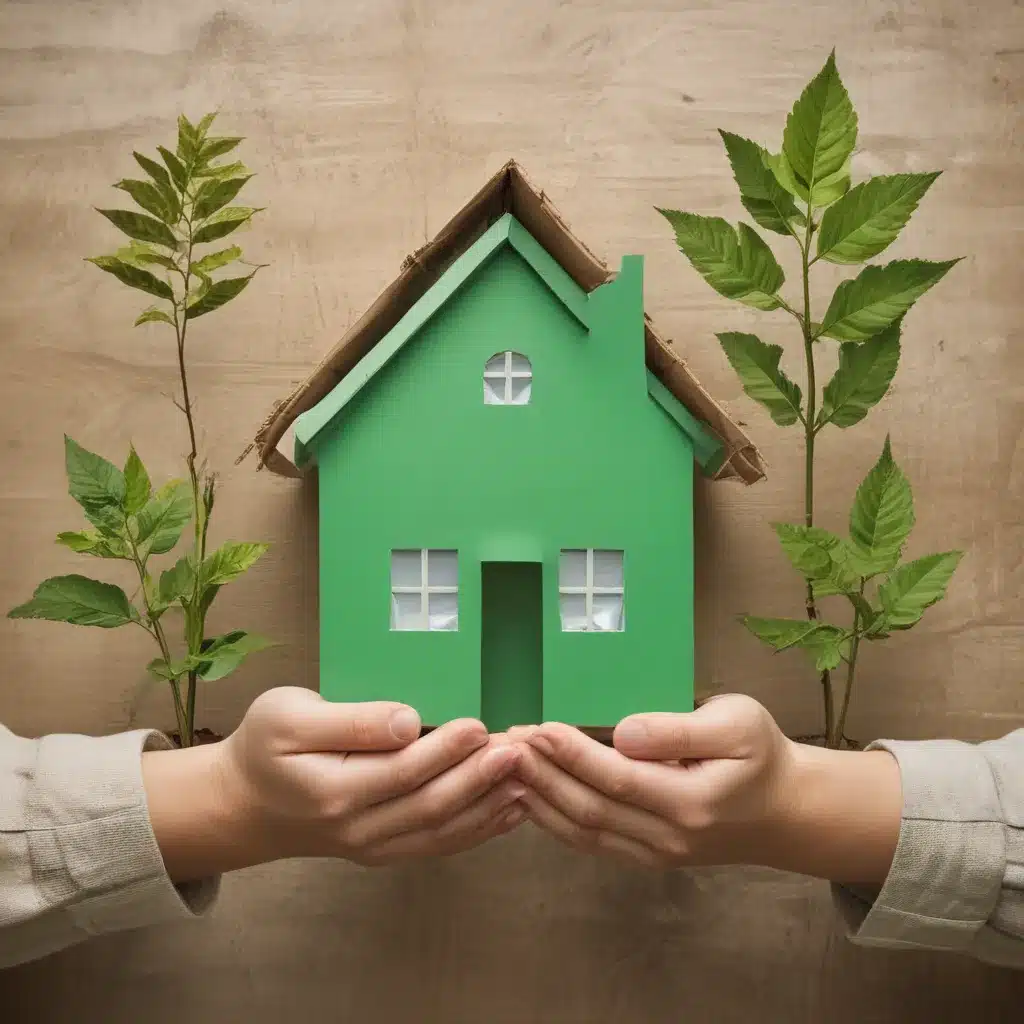
As the world becomes increasingly aware of the urgent need to address climate change and environmental sustainability, the concept of “going green” has gained significant traction. For me, as the owner of a building and renovation company in Aberdeen, UK, this topic is not just a passing trend – it’s a fundamental part of my business philosophy. I believe that making our homes more environmentally friendly is not only a responsibility but also an opportunity to create a better future for ourselves and generations to come.
You see, I’ve been in this industry for over a decade, and I’ve witnessed firsthand the impact that our homes can have on the environment. From the energy-guzzling appliances we use to the materials we choose for our renovations, every decision we make can either contribute to or mitigate the environmental challenges we face. That’s why I’m passionate about sharing my knowledge and expertise with my clients, helping them navigate the world of eco-friendly home improvements.
In this article, I’ll take you on a journey through the various ways you can make your home more environmentally friendly. We’ll explore everything from energy-efficient upgrades and sustainable materials to water conservation and waste reduction. Along the way, I’ll share real-life examples, insights from industry experts, and personal anecdotes to help you understand the impact of your choices and inspire you to take action.
So, let’s dive in and discover how you can transform your home into a green oasis that not only benefits the environment but also enhances your quality of life.
Energy Efficiency: The Key to a Greener Home
When it comes to making your home more environmentally friendly, one of the most impactful areas to focus on is energy efficiency. After all, the energy we use to power our homes is a significant contributor to our carbon footprint. But don’t worry, you don’t have to undergo a complete overhaul to see significant improvements. Even small, incremental changes can make a big difference.
One of the easiest and most cost-effective ways to boost your home’s energy efficiency is to upgrade your insulation. Did you know that up to 25% of a home’s heat can be lost through the walls and roof? By investing in high-quality insulation, you can dramatically reduce your energy consumption and lower your heating and cooling costs. I’ve seen so many of my clients experience the benefits of improved insulation, from a more comfortable living environment to a noticeable dip in their utility bills.
But insulation is just the tip of the iceberg. Another crucial aspect of energy efficiency is the appliances and lighting in your home. Have you ever taken a close look at the energy efficiency ratings of your fridge, washing machine, or lighting fixtures? Believe it or not, these little details can have a significant impact on your energy usage. I always encourage my clients to opt for Energy Star-certified appliances and LED light bulbs, which can save them hundreds of pounds a year on their energy bills.
Now, I know what you’re thinking: “But upgrading all my appliances and lighting sounds expensive!” And you’re right, it can be a significant investment upfront. However, the long-term savings and environmental benefits make it well worth it. Plus, there are often government incentives and rebate programs available to help offset the cost of these energy-efficient upgrades. It’s all about finding the right balance between upfront investment and long-term payoff.
Speaking of long-term payoff, let’s talk about renewable energy sources. Have you ever considered installing solar panels or a heat pump system in your home? These cutting-edge technologies can dramatically reduce your reliance on the grid and your carbon footprint. I’ve worked with several clients who have made the switch to renewable energy, and the results have been nothing short of remarkable. Not only have they seen a significant drop in their energy bills, but they’ve also gained a deep sense of satisfaction knowing that they’re doing their part to protect the planet.
Of course, the journey to an energy-efficient home doesn’t happen overnight. It’s a process of making informed decisions, taking advantage of available resources, and being patient as the benefits start to accumulate. But trust me, the effort is well worth it. By focusing on energy efficiency, you’re not only saving money and reducing your environmental impact – you’re also creating a more comfortable, sustainable living space for you and your family.
Sustainable Materials: Building a Greener Future
When it comes to making your home more environmentally friendly, the materials you choose for your renovations and home improvements play a crucial role. After all, the construction industry is a significant contributor to global greenhouse gas emissions and resource depletion. But fear not, there are plenty of sustainable options available that can help you create a more eco-conscious living space.
One of the most popular sustainable materials in the world of home renovation is reclaimed wood. I’ve seen a growing trend among my clients who are opting for the warm, rustic charm of reclaimed timber for everything from flooring to furniture. Not only does this material have a unique character and story, but it also reduces the demand for new wood harvesting, which can be harmful to the environment.
Another sustainable material that’s been gaining traction is bamboo. This fast-growing grass is an excellent alternative to traditional hardwood, as it’s incredibly durable, renewable, and requires far less resources to produce. I’ve used bamboo flooring in several of my projects, and the results have been stunning. My clients have been amazed by the beautiful, natural aesthetic and the peace of mind that comes with knowing they’re making an eco-friendly choice.
But it’s not just about the materials we use – it’s also about how we use them. That’s why I’m a big proponent of modular construction and prefabricated building components. By using these innovative techniques, we can reduce waste, minimize our environmental footprint, and create highly efficient, customizable living spaces. I’ve worked with several clients who have opted for modular home additions or prefabricated sheds, and the results have been impressive in terms of both sustainability and cost-effectiveness.
Of course, sustainable materials and construction methods are only one part of the equation. We also need to consider the long-term maintenance and durability of our home improvements. That’s why I always recommend my clients to choose materials that are not only environmentally friendly but also built to last. After all, the longer a product or material can be used, the less waste and resources are consumed over time.
One of the best examples of this is the use of insulated concrete forms (ICFs) in home construction. These innovative building blocks are made from rigid foam insulation and concrete, resulting in a highly energy-efficient and durable structure. I’ve used ICFs in several of my projects, and the feedback from my clients has been overwhelmingly positive. They love the fact that their homes are not only more sustainable but also better equipped to withstand the elements and the test of time.
As you can see, the world of sustainable materials is constantly evolving, with new and exciting options emerging all the time. By staying informed, collaborating with knowledgeable professionals, and making mindful choices, you can create a home that not only looks beautiful but also aligns with your environmental values. It’s a win-win for both you and the planet.
Water Conservation: Saving the Blue Gold
When it comes to making your home more environmentally friendly, water conservation is another crucial aspect that shouldn’t be overlooked. After all, water is a precious and finite resource, and the way we use it in our homes can have a significant impact on the environment.
One of the easiest ways to reduce your water consumption is to install low-flow fixtures and appliances. Think about it – how many times a day do you use your faucets, showerheads, and washing machines? By upgrading to water-efficient models, you can dramatically cut down on your water usage without sacrificing performance. I’ve worked with countless clients who have made this simple swap and have been amazed by the results – not only have they saved money on their water bills, but they’ve also contributed to preserving this valuable resource.
But it’s not just about the fixtures and appliances – it’s also about the way we use water in our day-to-day lives. Have you ever thought about how much water you use when you’re brushing your teeth or doing the dishes? Small changes, such as turning off the tap while brushing or using a dishwasher instead of hand-washing, can add up to significant water savings over time.
Another way to conserve water in your home is to embrace the power of rainwater harvesting. By installing a rainwater collection system, you can capture and store the natural precipitation that falls on your roof, using it for tasks like watering your garden or flushing your toilets. I’ve seen this eco-friendly solution work wonders for my clients, not only reducing their reliance on municipal water supplies but also helping to mitigate the impact of droughts and water shortages.
But water conservation isn’t just about the inside of your home – it’s also about the outdoor spaces. Have you ever considered incorporating drought-tolerant landscaping into your garden? By choosing native plants and xeriscaping techniques, you can create a beautiful, low-maintenance outdoor oasis that requires far less water to maintain. I’ve worked with several clients who have made this switch, and the results have been nothing short of stunning. Not only do their gardens thrive with minimal water input, but they’ve also become havens for local wildlife and pollinators.
Of course, water conservation is about more than just the immediate benefits – it’s also about safeguarding our planet’s future. As climate change and population growth continue to put pressure on our water resources, it’s more important than ever to adopt sustainable water management practices in our homes. By making simple yet impactful changes, we can all do our part to ensure that this precious resource remains available for generations to come.
Waste Reduction: Minimizing Your Environmental Footprint
When it comes to making your home more environmentally friendly, waste reduction is another key area that deserves your attention. After all, the amount of waste we generate as households can have a significant impact on the environment, contributing to landfill overload, resource depletion, and greenhouse gas emissions.
One of the most effective ways to reduce waste in your home is to focus on recycling and composting. By setting up dedicated recycling stations and implementing a robust composting system, you can divert a significant portion of your household waste from landfills. I’ve worked with clients who have embraced these practices, and the results have been truly impressive. Not only have they seen a dramatic reduction in their weekly waste output, but they’ve also contributed to the creation of valuable resources, such as nutrient-rich soil for their gardens.
But it’s not just about what happens to the waste once it leaves your home – it’s also about the choices you make when purchasing and consuming goods. Have you ever thought about the lifecycle of the products you bring into your home? From the materials used to the packaging and the eventual disposal, every item you purchase can have a lasting impact on the environment.
That’s why I always encourage my clients to adopt a more mindful, minimalist approach to shopping and consuming. By focusing on quality over quantity, choosing products with minimal or recyclable packaging, and avoiding single-use items, you can significantly reduce the amount of waste your household generates. It’s a simple yet powerful way to make a difference.
But waste reduction isn’t just about the physical items in your home – it’s also about the energy and resources you consume. Have you ever thought about the impact of your home’s energy use on the environment? By implementing energy-efficient upgrades, such as those we discussed in the energy efficiency section, you can not only save money on your utility bills but also reduce the amount of waste and emissions associated with energy production.
Another way to reduce waste in your home is to embrace the concept of reuse and repurposing. Instead of automatically discarding items, consider how you can give them a second life. I’ve worked with clients who have transformed old furniture into unique, one-of-a-kind pieces, or who have repurposed building materials from previous renovations into stunning accent walls or garden features. It’s a creative and eco-friendly way to breathe new life into the things we already have.
At the end of the day, waste reduction is all about being mindful, making conscious choices, and embracing a more sustainable lifestyle. By taking these steps in your home, you can not only reduce your environmental impact but also inspire those around you to do the same. After all, when it comes to creating a greener future, every little bit counts.
Incorporating Sustainable Design: A Holistic Approach
As we’ve explored the various ways to make your home more environmentally friendly, it’s become clear that a holistic, integrated approach is the key to truly creating a sustainable living space. And at the heart of this approach is the concept of sustainable design.
Sustainable design is all about creating buildings and homes that are not only aesthetically pleasing but also environmentally responsible. It’s a multifaceted approach that considers everything from the materials used to the energy efficiency, water conservation, and waste reduction strategies employed.
One of the core principles of sustainable design is the idea of passive design. This involves optimizing the orientation, layout, and features of a building to take advantage of natural resources, such as sunlight, wind, and temperature. By designing a home that leverages these natural elements, you can significantly reduce your reliance on energy-intensive heating, cooling, and lighting systems.
I’ve had the privilege of working with several clients who have embraced the principles of passive design, and the results have been remarkable. One of my most recent projects involved designing a home that was perfectly positioned to take advantage of the local climate and terrain. By strategically placing windows, incorporating thermal mass materials, and optimizing the building envelope, we were able to create a comfortable, energy-efficient living space that required minimal additional heating and cooling.
But sustainable design is about more than just energy efficiency – it’s also about creating a healthy, comfortable living environment for the occupants. This involves careful consideration of indoor air quality, natural light, and the overall well-being of the inhabitants. I’ve seen firsthand how sustainable design can improve the physical and mental health of my clients, from better sleep and reduced stress levels to increased productivity and overall happiness.
Another key aspect of sustainable design is the integration of renewable energy sources, such as solar panels and geothermal systems. By incorporating these technologies into the design of a home, you can not only reduce your reliance on the grid but also generate your own clean, renewable energy. I’ve worked with several clients who have taken this approach, and the results have been truly impressive – not only have they seen a significant drop in their energy bills, but they’ve also gained a deep sense of pride and ownership in their contribution to a more sustainable future.
But sustainable design isn’t just about the physical structure of a home – it’s also about the way we interact with and inhabit the spaces we create. This includes everything from water-efficient landscaping and waste management systems to the use of sustainable materials and the incorporation of natural elements throughout the design.
I’ll never forget the time I worked with a client who wanted to create a truly eco-friendly home that seamlessly blended with the natural landscape. Together, we designed a home that featured a living roof, a rainwater harvesting system, and a wildlife-friendly garden. The end result was a breathtaking, harmonious living space that not only reduced the family’s environmental impact but also provided a serene, restorative oasis for them to enjoy.
At the end of the day, sustainable design is about so much more than just checking off a list of eco-friendly features. It’s about creating a holistic, integrated approach that considers the entire lifecycle of a building and its impact on the environment, the occupants, and the surrounding community. It’s a journey that requires a deep understanding of the latest technologies, materials, and design principles, as well as a genuine passion for creating a greener, more sustainable future.
Conclusion: Embracing the Green Revolution
As we reach the end of our exploration of how to make your home more environmentally friendly, I hope you’ve gained a deeper appreciation for the importance of going green and the many ways you can make a difference.
From energy-efficient upgrades and sustainable materials to water conservation and waste reduction, we’ve covered a wide range of strategies and solutions that can transform your living space into a shining example of environmental stewardship. And by incorporating the principles of sustainable design, you can take this transformation to the next level, creating a home that not only reduces its impact on the planet but also enhances the well-being of its occupants.
But the journey to a greener home doesn’t have to be a solo one. In fact, I believe that by working together as a community, we can create a ripple effect of positive change that extends far beyond the walls of our own homes. Whether it’s collaborating with local organizations, sharing knowledge and resources, or simply inspiring our friends and neighbors to follow suit, we all have a role to play in this green revolution.
So, as you embark on your own journey towards a more environmentally friendly home, I encourage you to embrace the challenge with enthusiasm and a willingness to learn. After all, the benefits of going green are not just limited to the environment – they can also lead to significant cost savings, improved health and well-being, and a deep sense of personal satisfaction in knowing that you’re making a difference.
And who knows, maybe your journey will inspire others to follow in your footsteps, creating a wave of eco-conscious home improvements that can truly transform our communities and our planet. After all, when it comes to creating a sustainable future, every little bit counts.
So, what are you waiting for? Let’s get started on your green home transformation today! If you’re ready to take the next step, I’d be more than happy to discuss our building and renovation services and help you create the eco-friendly home of your dreams.