The Invisible Foe: Understanding Indoor Air Pollution
Have you ever walked into a room and felt like the air was thick, heavy, and just… off? Well, my friends, that may be the work of an invisible enemy – indoor air pollution. And let me tell you, this silent saboteur can wreak havoc on our health, from triggering allergies to aggravating respiratory conditions. But fear not, because today, we’re going to explore the ins and outs of indoor air quality and uncover some foolproof strategies to keep that pesky pollutant at bay.
You see, our homes are supposed to be our sanctuaries, our safe havens from the outside world. But what if I told you that the very air we breathe within those four walls could be more polluted than the air outside? Yep, you heard me right – our cozy little abodes can sometimes be breeding grounds for all sorts of nasty contaminants, from dust mites and pet dander to volatile organic compounds (VOCs) and formaldehyde.
And let me tell you, the consequences can be pretty darn unpleasant. Imagine trying to catch your breath, only to be met with a symphony of coughs and sneezes. Or waking up with a pounding headache, feeling lethargic and out of sorts. That, my friends, is the work of poor indoor air quality, and it’s something no one should have to deal with.
Unveiling the Culprits: Common Indoor Air Pollutants
Now, before we dive into the solutions, let’s take a closer look at the main culprits behind indoor air pollution. After all, knowledge is power, and the more we understand about these invisible troublemakers, the better equipped we’ll be to vanquish them.
First up, we have the usual suspects – dust, mold, and pet dander. These pesky particles can wreak havoc on our respiratory systems, triggering allergies and exacerbating asthma symptoms. And let’s not forget about the dreaded chemical cocktail, made up of volatile organic compounds (VOCs) and formaldehyde, which can be found in everything from furniture to cleaning products.
But wait, there’s more! Did you know that even the air-fresheners we use to make our homes smell like a bouquet of roses can actually be doing more harm than good? Yep, those synthetic fragrances can emit all sorts of nasty chemicals that can irritate our eyes, nose, and throat.
And let’s not forget about the invisible gas that can seep into our homes – radon. This naturally occurring radioactive gas is the second leading cause of lung cancer in the United States, and it can be found in all kinds of homes, regardless of age or location.
Phew, that’s a lot of potential pollutants to keep track of, isn’t it? But don’t worry, we’re just getting started. Because once we understand the culprits, we can start to devise a plan of attack.
Clearing the Air: Strategies for Improving Indoor Air Quality
Alright, now that we’ve got the bad guys out in the open, let’s talk about how we can start to improve the air quality in our homes. After all, we can’t just sit back and let these pollutants have their way, now can we?
First and foremost, let’s talk about ventilation. You see, proper airflow is key to keeping the air in our homes fresh and clean. And I’m not just talking about opening a window every now and then – oh, no, we’re going to get serious about this. Think about investing in a high-quality HVAC system, complete with efficient air filters and regular maintenance. Trust me, your lungs will thank you.
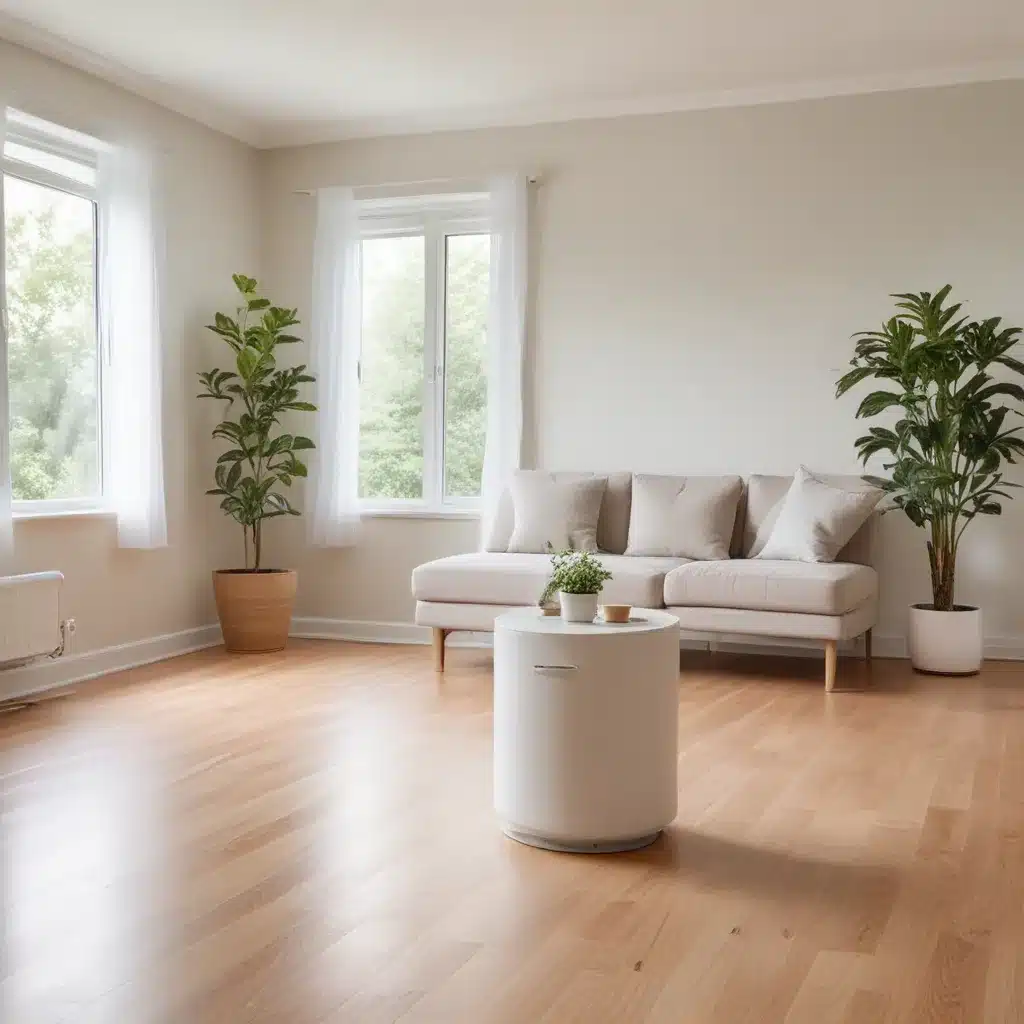
And speaking of filters, let’s not forget about those little air purifiers that can work wonders in our homes. These nifty devices can snatch up all sorts of airborne nasties, from dust and pollen to pet dander and even those pesky VOCs. Just be sure to choose one that’s the right size for your space, and don’t forget to replace those filters on the regular.
But wait, there’s more! What about the products we bring into our homes? Yep, that’s right – the very cleaning supplies, furniture, and building materials we use can have a big impact on our indoor air quality. So, let’s start making some eco-friendly swaps, shall we? Look for low-VOC paints, natural fiber rugs, and cleaning products that are free of harsh chemicals.
And let’s not forget about good old-fashioned elbow grease. Regular cleaning and dusting can go a long way in keeping those pesky pollutants at bay. But don’t just stop at the surfaces – get in there and tackle those nooks and crannies, where all kinds of nasties can hide.
Oh, and let’s not forget about our furry friends! While we love them dearly, our pets can be a major source of indoor air pollution. So, be sure to groom them regularly, vacuum up those stray hairs, and maybe even consider an air purifier specifically designed for pet-filled homes.
Breathing Easy: The Benefits of Improved Indoor Air Quality
Alright, now that we’ve covered the ins and outs of improving indoor air quality, let’s talk about the benefits. After all, what’s the point of all this hard work if we don’t get to reap the rewards, right?
Well, my friends, the list of benefits is a long one, and it’s not just about feeling better physically. You see, when we breathe in clean, fresh air, our bodies and minds can truly thrive. Imagine waking up each morning without a stuffy nose or a pounding headache – sounds pretty darn good, doesn’t it?
But the benefits go beyond just our physical well-being. Improved indoor air quality can also have a positive impact on our mental health. Think about it – when we’re not constantly battling allergens or fighting off the effects of toxic chemicals, we can focus more on the things that really matter. Our productivity can soar, our creativity can blossom, and our overall sense of well-being can skyrocket.
And let’s not forget about the long-term implications. By taking steps to improve the air quality in our homes, we’re not just investing in our own health and happiness – we’re also protecting the health and well-being of our loved ones, both now and for generations to come.
So, what are you waiting for? It’s time to take back control of the air we breathe and start living our best, healthiest lives. Trust me, your lungs (and your whole body) will thank you.
Putting it into Practice: Real-Life Examples and Expert Advice
Alright, now that we’ve covered the theory, let’s get down to the nitty-gritty of putting it all into practice. After all, what good is all this knowledge if we don’t know how to apply it in the real world?
Let’s start with a real-life example that hits close to home – the case of the Smith family. You see, the Smiths had always been a healthy, active bunch, but recently, they’d been struggling with persistent respiratory issues. The kids were constantly sniffling and sneezing, and mom and dad were both feeling run down and fatigued.
But then, they decided to take action. They started by investing in a high-quality HVAC system, complete with top-of-the-line air filters. They also swapped out their old, chemical-laden cleaning products for more eco-friendly alternatives. And let’s not forget about those pet-friendly air purifiers – because let’s be real, their beloved pup Rufus was more than just a furry friend, he was a full-blown member of the family.
The results? Well, let’s just say the Smiths are breathing a whole lot easier these days. The kids’ allergy symptoms have virtually disappeared, and mom and dad are feeling more energized and refreshed than ever before. And you know what they say – a happy, healthy family is the foundation of a happy, healthy home.
But don’t just take my word for it – let’s hear from the experts. I had the chance to sit down with Dr. Emily Gonzalez, a renowned indoor air quality specialist, and she had some insightful advice to share.
“The key to improving indoor air quality is really about taking a multi-pronged approach,” Dr. Gonzalez explained. “It’s not just about investing in the latest gadgets and gizmos – it’s about making lifestyle changes that can have a lasting impact.”
She went on to emphasize the importance of regular maintenance and cleaning, as well as being mindful of the products we bring into our homes. “Those seemingly innocent air fresheners and cleaning supplies can be real culprits when it comes to indoor air pollution,” she warned. “It’s all about making smart, eco-friendly swaps that can make a big difference.”
So there you have it, folks – real-life examples and expert advice to help you breathe easy and keep your home’s air quality in tip-top shape. Remember, it’s all about taking the time to understand the problem, and then putting in the work to create a healthier, happier living environment. After all, what’s more important than the air we breathe?
Conclusion: Embracing a Healthier, Happier Home
Well, there you have it – everything you need to know about improving the indoor air quality in your home. From understanding the common pollutants to implementing a comprehensive strategy for cleaner, fresher air, we’ve covered it all.
But you know what they say – knowledge is only half the battle. The real challenge lies in putting all of this information into practice and making it a part of your everyday life. And let me tell you, it’s not always easy. There will be times when you feel like throwing in the towel, when the thought of one more air filter change or eco-friendly product swap just seems like too much.
But I’m here to tell you – don’t give up! Because the benefits of improved indoor air quality are so much more than just physical. It’s about creating a healthier, happier home environment for you and your loved ones. It’s about reclaiming your energy, your productivity, and your overall sense of well-being.
So, take a deep breath (pun intended), and get ready to embark on this journey with me. Together, we’ll tackle those pesky pollutants, one by one, and transform our homes into the sanctuaries they were always meant to be. Because when it comes to indoor air quality, the only acceptable outcome is breathe easy.
And who knows, maybe along the way, you’ll even discover a newfound appreciation for the simple act of breathing. After all, it’s something we do thousands of times a day, but how often do we really stop and savor it?
So, let’s make a pact, you and I – let’s commit to being more mindful of the air we breathe, and let’s work together to keep it clean, fresh, and full of life. Because when it comes to our health and happiness, there’s nothing more important than the air we inhale.
Are you with me? Then let’s get to work – the path to cleaner, healthier air starts here.