Ah, the age-old quandary of home organization – how to make the most of our living spaces and streamline the flow of traffic through our humble abodes. It’s a challenge many of us face, whether we’re dealing with a cozy apartment or a sprawling suburban palace. But fear not, my fellow home improvement enthusiasts! Today, I’m here to share a few tricks and techniques that can transform your home into a harmonious, well-oiled machine.
Identifying Bottlenecks and Pinch Points
The first step in optimizing your home’s circulation is to identify the trouble spots. Where are the traffic jams and logjams occurring? Is the entryway a chaotic mess of shoes, coats, and backpacks? Does the kitchen feel like a maze, with family members constantly bumping into each other as they try to navigate from the fridge to the stove? These are the areas we need to target.
Much like the city of Morgan Hill, California, which recently optimized the traffic signals on Butterfield Boulevard to improve vehicle circulation during peak hours, we need to pinpoint the pressure points in our homes and find ways to alleviate the congestion.
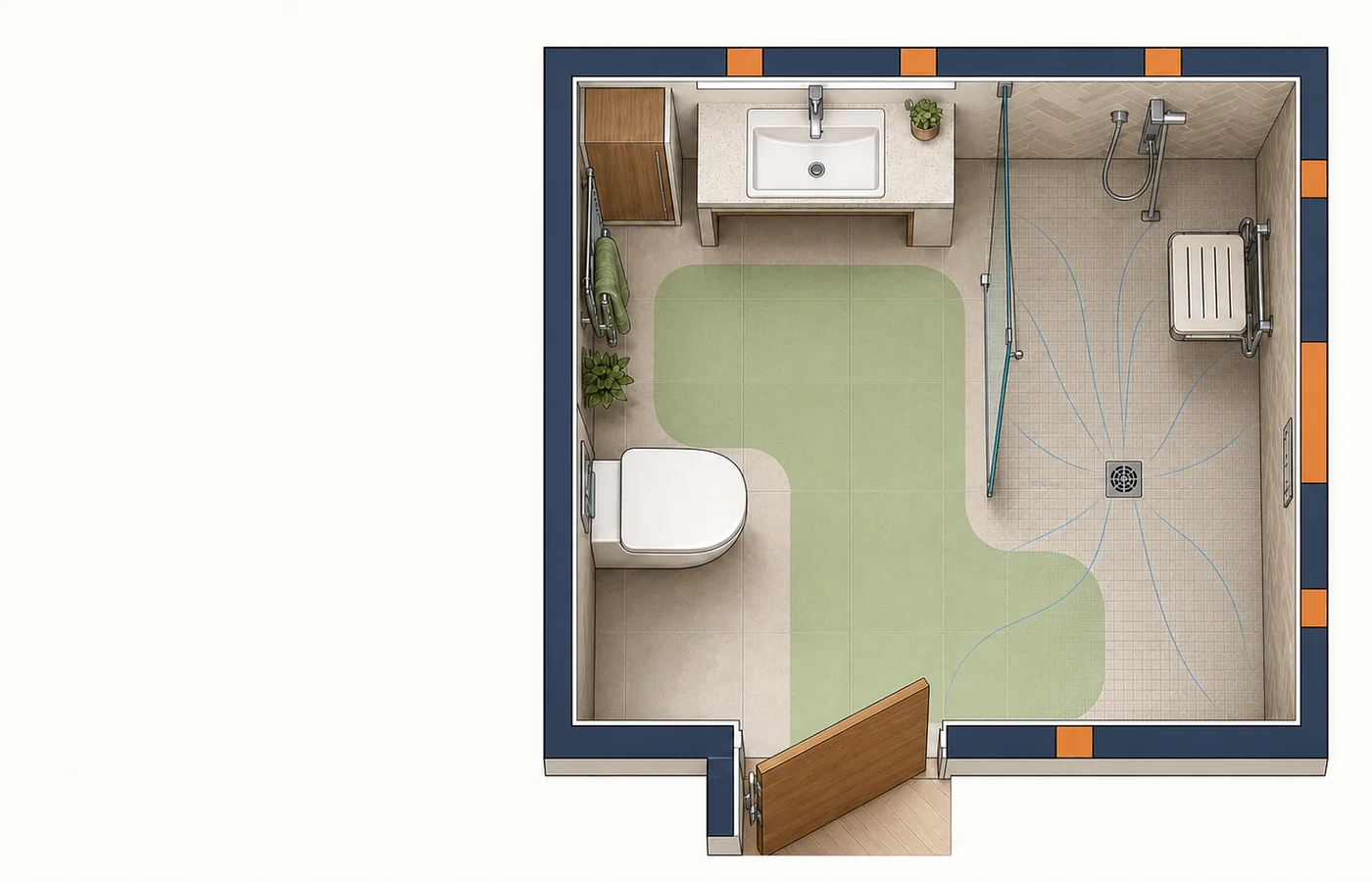
One effective strategy is to do a few laps around your living space, observing the flow of traffic and taking note of where people tend to get stuck or slow down. You might be surprised by what you discover – that hallway might seem like a breeze to you, but for your shorter family members, it could be a veritable obstacle course.
Divide and Conquer
Once you’ve identified the problem areas, it’s time to devise a plan of attack. Oftentimes, the solution lies in creating distinct zones or “lanes” within your home, much like the Southwest Traffic Circulation Plan implemented in Hoboken, New Jersey. This helps to establish a clear, efficient flow of traffic and prevent the dreaded traffic jams.
In the entryway, for example, you might designate specific spots for dropping off bags, hanging coats, and storing shoes. By establishing these designated areas, you can help your family members (and any wayward guests) navigate the space without the constant shuffle and shuffle.
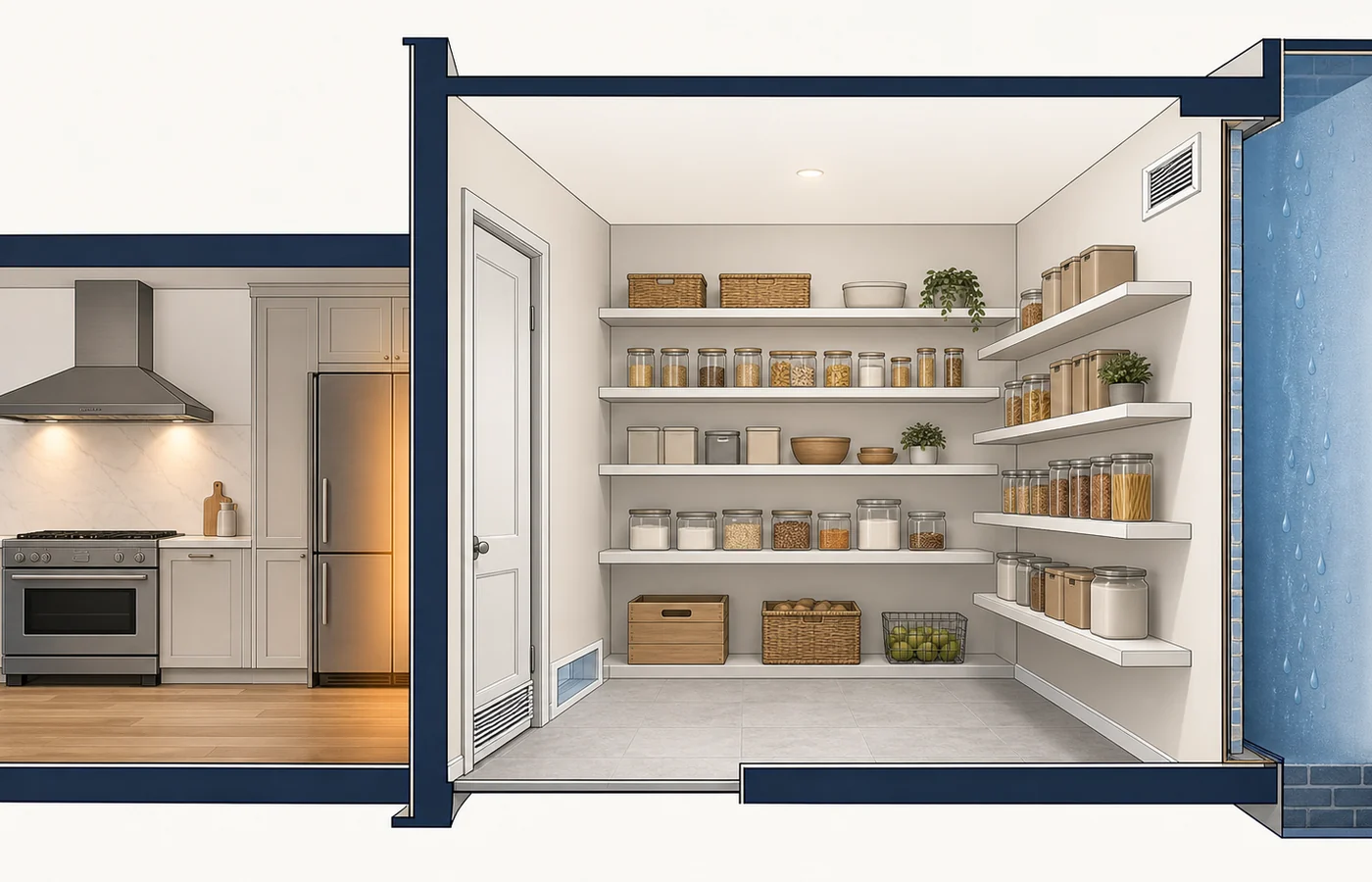
Similarly, in the kitchen, you could group related tasks and appliances together, creating distinct “zones” for meal prep, cooking, and cleanup. This not only makes the space more intuitive to use but also reduces the back-and-forth movement that can lead to bottlenecks.
Streamlining Pathways and Minimizing Obstacles
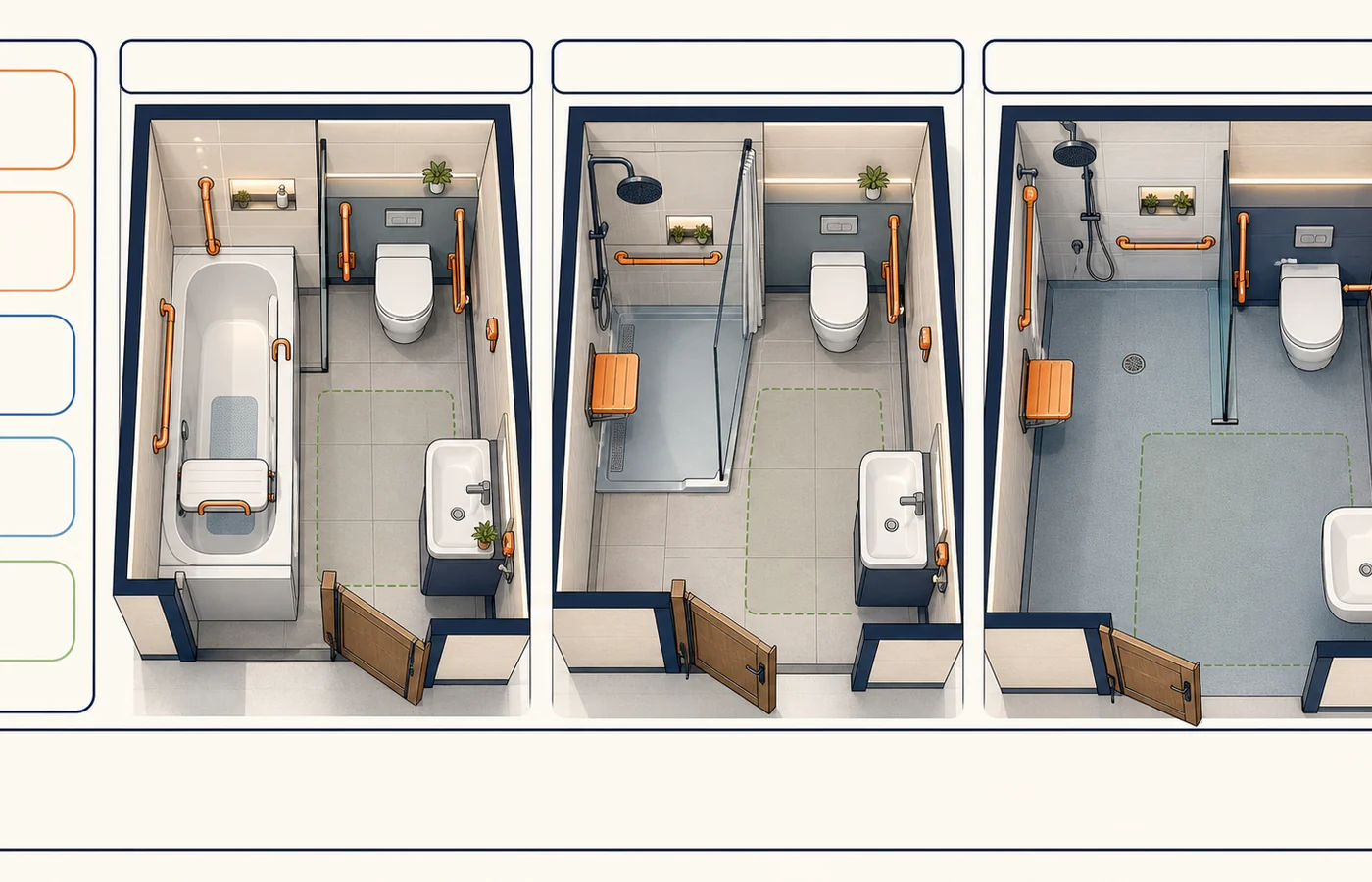
Now that you’ve identified the problem areas and created a zoned system, it’s time to start clearing the way for smooth, unobstructed traffic flow. This might involve rearranging furniture, removing unnecessary clutter, or even making minor architectural changes to your home.
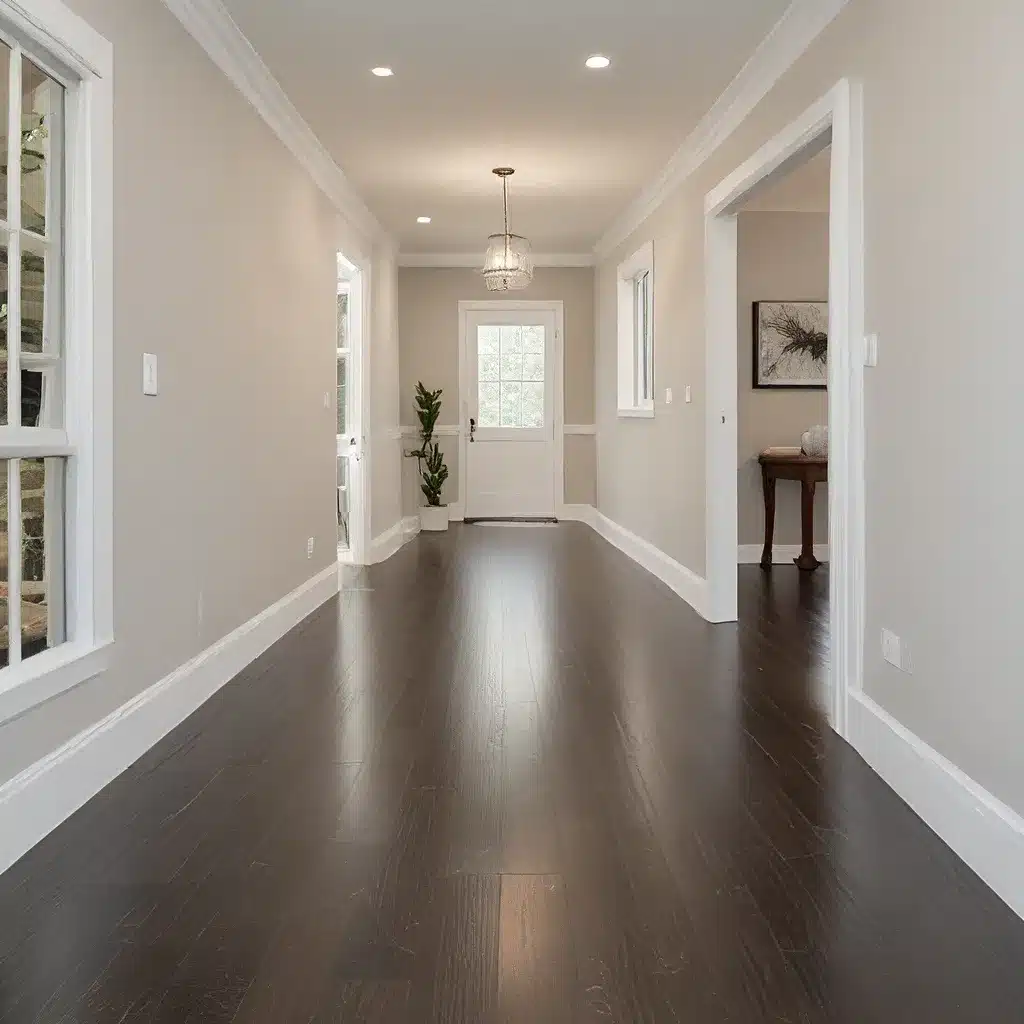
In the hallway, for instance, you could consider widening the path or removing any furniture or decor that encroaches on the walkway. Just like the traffic circulation plan in Hoboken, which aimed to improve connectivity and reduce delays by more than 25 percent, your home’s circulation can benefit from a little strategic decluttering and path optimization.
Another key factor to consider is the placement of doors and entryways. Are they positioned in a way that facilitates smooth, intuitive movement, or do they create bottlenecks and disrupt the flow? Experiment with different arrangements and see how it affects the overall circulation.
Incorporating Multifunctional and Versatile Furniture
One of the most powerful tools in your home optimization toolbox? Multifunctional and versatile furniture. By choosing pieces that serve multiple purposes, you can maximize the available space and reduce the clutter that can hamper circulation.
Think about it – a storage ottoman that doubles as a coffee table, a Murphy bed that folds into the wall, or a sofa with built-in recliners. These types of furnishings not only look great but also help to streamline the layout and create a more efficient, user-friendly living space.
When it comes to home renovation and improvement, the team at ABC Home can help you find the perfect multifunctional furniture and design solutions to optimize your space. From clever storage solutions to space-saving furniture, they can transform your home into a well-oiled machine.
Embracing the Power of Mirrors and Lighting
As any interior designer worth their salt will tell you, mirrors and lighting can work wonders when it comes to creating the illusion of space and enhancing the flow of a room. By strategically placing mirrors, you can create the perception of depth and make even the most cramped spaces feel open and airy.
And don’t underestimate the impact of proper lighting. Well-placed lamps, recessed fixtures, and even natural light can help to highlight the pathways and draw the eye through the space, guiding the flow of traffic in a more intuitive and seamless manner.
Putting it All Together: The Holistic Approach
Ultimately, optimizing your home’s circulation is all about taking a holistic, multifaceted approach. It’s not just about rearranging furniture or decluttering – it’s about understanding the way people move through your living space and making strategic, integrated changes to facilitate that movement.
Think of it like a symphony conductor, guiding the musicians (your family members) through the intricate choreography of daily life. By adjusting the tempo, creating clear pathways, and eliminating the dissonant notes of clutter and obstruction, you can transform your home into a harmonious, well-oiled machine.
And who knows, perhaps one day, your home’s optimized circulation will be the envy of the neighborhood, just like Morgan Hill’s revamped Butterfield Boulevard. So, what are you waiting for? Let’s get to work and turn your living space into a smooth-sailing, traffic-free oasis!