The Power of Intentional Design
I’ve always been a firm believer in the transformative power of interior design. Time and again, I’ve witnessed how thoughtfully curated spaces can positively impact our physical and emotional well-being. And as our understanding of the mind-body connection deepens, this notion of “wellness-centric design” is gaining serious momentum.
It makes perfect sense when you think about it. The environments we inhabit don’t just influence our mood and productivity – they can also affect our overall health in profound ways. From the air we breathe to the materials that surround us, our homes have a surprisingly significant influence on our physical, mental, and even spiritual well-being.
As I’ve been researching, this new design ethos is all about creating spaces that nourish both our bodies and minds. Architects, interior designers, and even scientists are exploring the fascinating interplay between aesthetics, the built environment, and human health. Fields like environmental psychology and neuroaesthetics are shedding light on how our brains respond to beauty, art, and the design of the spaces we occupy.
The implications are nothing short of game-changing. If we can harness this knowledge, we can design homes that don’t just look beautiful, but actively promote our overall well-being. And that’s exactly what I’m on a mission to do.
Rethinking the Concept of “Healthy” Design
When it comes to wellness-focused interior design, there’s a common misconception that it has to look a certain way – all neutrals, natural materials, and a general “crunchy granola” aesthetic. But in my experience, true healthy living is about so much more than that.
Yes, elements like natural light, lush greenery, and non-toxic materials are incredibly important. But wellness-centric design should also be about creating spaces that are visually captivating, tactilely pleasing, and emotionally soothing. After all, what good is a “healthy” home if it doesn’t inspire a sense of joy and comfort?
That’s why I’m on a mission to redefine what “healthy” design can look like. I want to show that it’s possible to create sanctuaries that are sophisticated and sustainable, chic and mindful, elegant and accessible. Because at the end of the day, our homes should be so much more than just functional – they should be a true reflection of our unique values and lifestyle aspirations.
Cultivating a Wellness Sanctuary at Home
So, where do we begin when it comes to transforming our living spaces into true wellness havens? Well, the good news is that there are countless simple yet impactful tweaks we can make to imbue our homes with a greater sense of health and harmony.
As I recently experienced in my own master bedroom renovation, it’s all about striking the right balance between aesthetic beauty and functional wellness. From carefully curated textures and soothing color palettes to strategic lighting and thoughtful decor choices, every element can play a role in cultivating a truly restorative environment.
But beyond the visual and tactile elements, there are also a host of other wellness-boosting features we can incorporate. Think: air-purifying plants, high-quality air humidifiers, designated relaxation nooks, and meticulously selected bedding and furniture that prioritizes comfort and ergonomics.
And let’s not forget the power of scent! Aromatherapy diffusers loaded with 100% pure essential oils can have a profound influence on our mood, energy levels, and overall sense of calm. Lavender for relaxation, peppermint for focus, citrus for an uplifting zing – the possibilities are endless!
Harnessing the Healing Power of Light
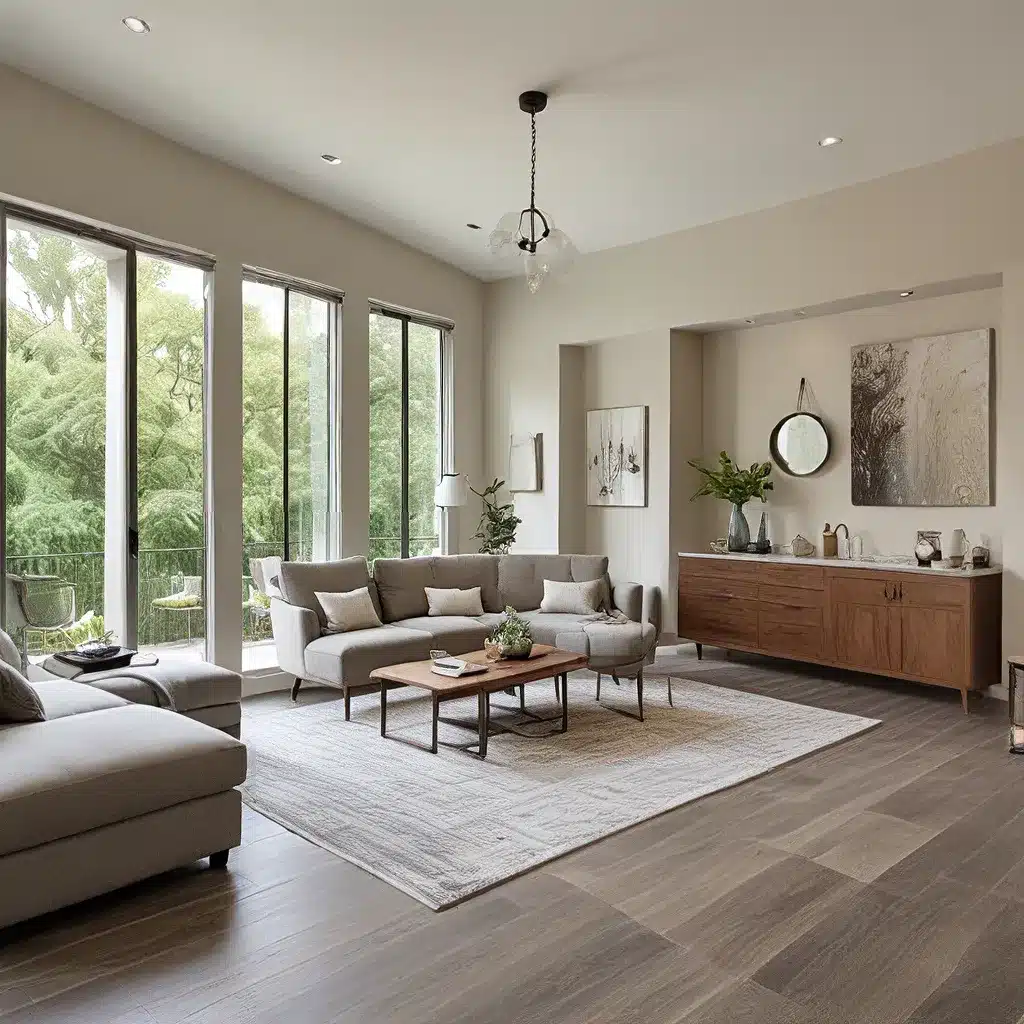
One of the most impactful wellness-centric design elements, in my opinion, is the strategic use of light. Natural light, in particular, has been shown to have a myriad of benefits for our physical and mental health. From boosting productivity and alertness to improving our circadian rhythms and mood, it’s truly an indispensable ingredient for a healthy home.
That’s why I’m so intentional about maximizing natural light in my own living spaces. I opt for sheer, light-filtering curtains, position my work areas near windows, and make a point to fling open the windows and let the sunshine in as soon as I wake up each morning.
But it’s not just about natural light – the quality and color temperature of our artificial lighting matter, too. Blue light, in particular, can have a detrimental effect on sleep quality and melatonin production. That’s why I’m careful to minimize blue-toned bulbs in the bedroom and opt for warmer, red-hued lighting instead.
Embracing the Power of Texture and Color
When it comes to cultivating a wellness-centric home, texture and color can be incredibly powerful tools. Different textures and hues can elicit very specific emotional and physiological responses, influencing everything from our mood and energy levels to our sense of relaxation and focus.
That’s why I’m so intentional about incorporating a diverse array of textures throughout my living spaces. Sumptuous velvets and chunky knits for the colder months, light, breezy linens for the warmer seasons – the juxtaposition of different tactile experiences can have a surprisingly soothing effect.
And the same goes for color. While there may be some general guidelines around the psychological impact of certain hues (e.g., blues and greens being calming, reds being stimulating), I firmly believe that color preference is highly personal. That’s why I encourage people to tune into their own intuitive responses and choose shades that resonate most with them.
After all, the true magic happens when we create environments that are not only aesthetically pleasing, but also deeply nourishing to our individual minds and bodies. And that’s the kind of holistic, wellness-centric design that I’m so passionate about bringing to life.
Curating a Home that Nourishes the Senses
At the end of the day, transforming our living spaces into true wellness sanctuaries is all about honoring the profound interplay between our environments and our overall well-being. It’s about creating a home that doesn’t just look beautiful, but one that actively supports our physical, mental, and emotional health.
And for me, that means thoughtfully curating every single element – from the air we breathe to the colors we surround ourselves with. It’s about infusing our spaces with natural light, lush greenery, and soothing aromatherapy. It’s about selecting furniture and materials that prioritize comfort, ergonomics, and non-toxicity. And it’s about cultivating cozy nooks and designated relaxation zones that allow us to truly unwind and recharge.
Because when we design with wellness in mind, the benefits extend far beyond the aesthetic appeal of our homes. We create environments that nourish our senses, stimulate our creativity, and ultimately, empower us to live our best, healthiest lives. And to me, that’s the true essence of what it means to design for well-being.
So if you’re ready to embark on your own wellness-centric home transformation, I encourage you to let your intuition be your guide. Tune into the textures, colors, and sensory experiences that make you feel most alive and refreshed. Experiment with different elements and see how they make you feel. And remember – there’s no one-size-fits-all solution when it comes to cultivating a healthy, harmonious sanctuary. The key is to create a space that’s authentically you.
After all, our homes are so much more than just a collection of furnishings and decor. They’re the backdrops for our most cherished memories, the canvases upon which we paint the stories of our lives. And when we design them with intentionality, consciousness, and a deep reverence for our own well-being, they have the power to truly transform how we experience the world.