As the saying goes, “Home sweet home” – but for far too many people, their homes can feel more like a prison than a sanctuary. The harsh reality is that many homes in the UK simply aren’t equipped to support the evolving needs of their occupants, especially as we age or experience changes in our abilities.
I know this all too well from personal experience. My dear grandmother, bless her heart, had to deal with the daily struggle of navigating her once-cozy home after a debilitating stroke. Getting in and out of the bathroom, moving around the kitchen, even just reaching the front door – tasks that were once seamless had become monumental challenges.
Watching her frustration and feeling utterly helpless to improve her situation was heartbreaking. It was clear that her home, which she had loved and cherished for decades, had become a hindrance to her independence and quality of life. And she’s certainly not alone in this experience.
According to the Ministry of Housing, Communities & Local Government, there are an estimated 4.3 million homes in the UK that are considered “non-decent” – meaning they fail to meet basic standards for safety, warmth, and accessibility.** That’s a staggering statistic when you consider the real-world implications for the people living in those homes.
But the good news is that there are solutions available – and that’s where ABC Home comes in. Our team of experts specializes in home extensions and conversions that are designed with accessibility and inclusivity at the forefront. By proactively planning and implementing smart, future-proof home modifications, we can help ensure that your living space adapts seamlessly to your changing needs.
Rethinking the Approach to Home Adaptations
The traditional model of home adaptations has often been reactive – waiting until a health crisis or major life event prompts the need for significant changes. But this approach can be both inefficient and ineffective, leading to prolonged frustration, diminished independence, and increased risk of accidents or hospitalizations.
“Adaptations frequently termed home modification in the US and Australia are one of the best ways to improve accessibility and usability within existing homes,” according to research from the Journal of Building and Cities. The evidence suggests that proactive, well-planned home modifications can have a positive impact on quality of life, prevent falls and accidents, and improve both physical and mental health.
Yet, the reality is that the process of securing these adaptations is often fragmented, underfunded, and overly complex. “The physical and mental health impacts of adaptations have been a dominant focus and a key area of connection between housing and health,” the research notes, “but the process of making changes can be complex, piecemeal, inadequately funded, and slow to implement.”
This is where the concept of Inclusive Living comes into play. Developed by the Scottish housing sector, Inclusive Living is a strategic approach that aims to future-proof homes and neighborhoods by facilitating longer-term planning and creating accessible, age-friendly environments.
Embracing the Inclusive Living Approach
The core idea behind Inclusive Living is simple: Why should people have to adapt to their homes when homes should be adapting to them? It’s a fundamental shift in mindset that places the responsibility for accessibility and adaptability squarely on the shoulders of the housing sector, rather than the individual.
“Inclusive Living is both a concept and practical intervention co-produced by the Scottish housing sector that aims to improve strategic planning around future-proofing homes and neighborhoods,” the research explains. By integrating accessibility and inclusivity into the entire housing lifecycle – from development and repair to maintenance and service delivery – Inclusive Living seeks to create a more holistic, proactive solution.
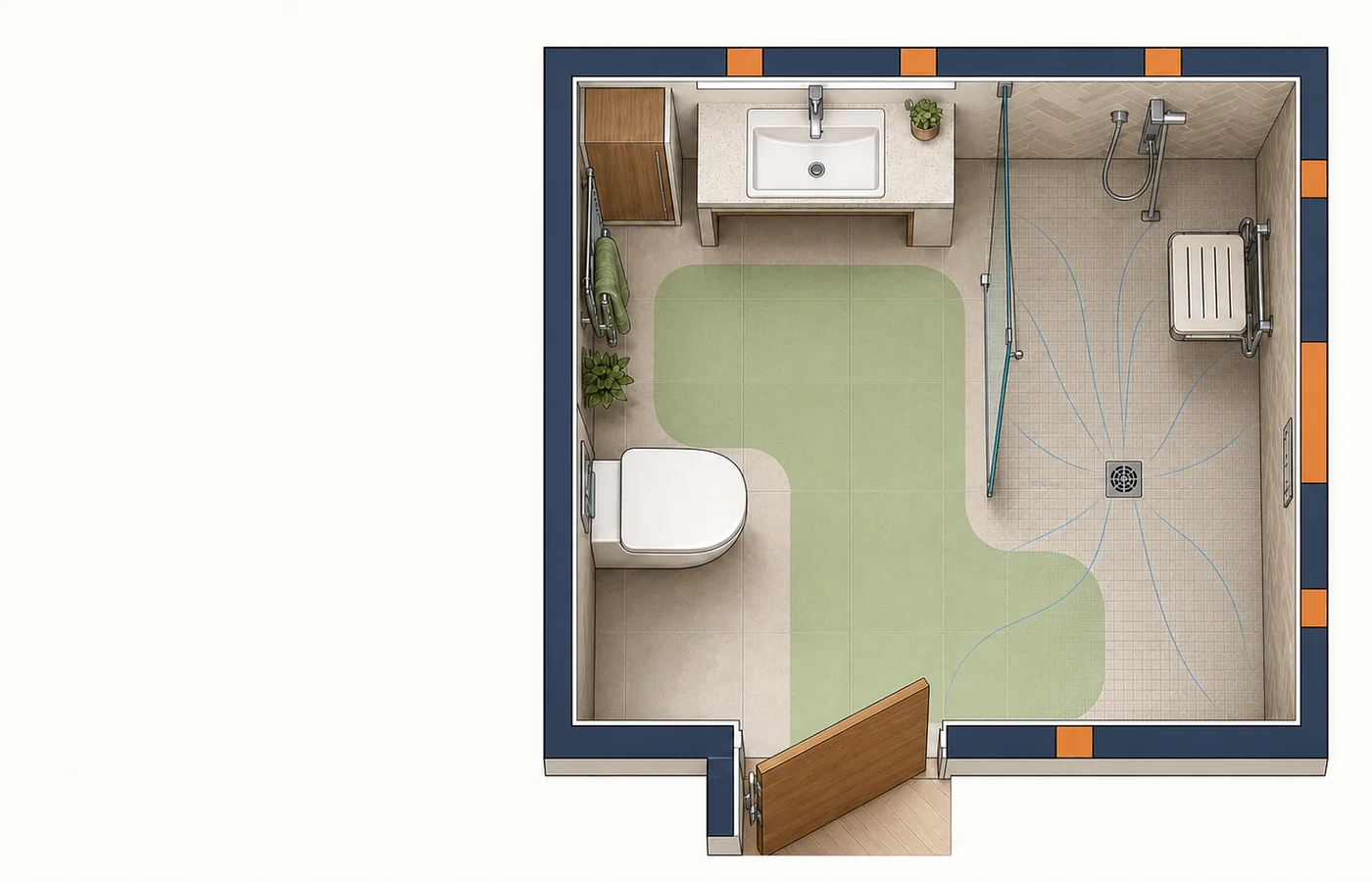
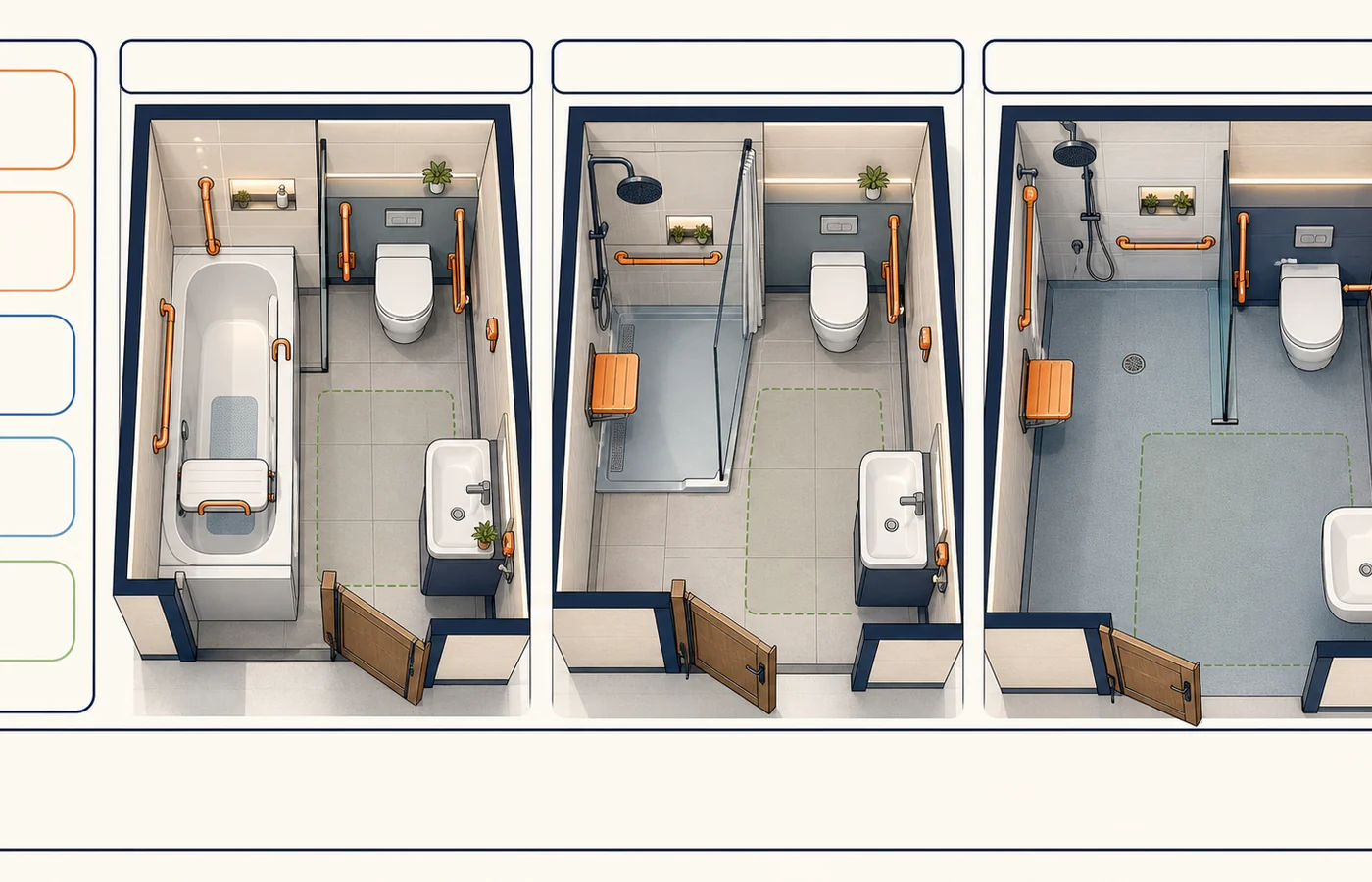
At ABC Home, we’ve embraced this approach wholeheartedly. Our team works closely with local authorities, housing associations, and community groups to identify practical interventions that can make homes and neighborhoods more accessible and adaptable for all. This might include simple modifications like wider doorframes, easy-to-install dementia-friendly design elements, or strategically placed electrical outlets to accommodate future assistive technology needs.
But Inclusive Living goes beyond just the physical space. It also encourages a life-course approach, recognizing that everyone – regardless of age or ability – is a stakeholder in the aging process. This shift in perspective helps to normalize accessibility and inclusivity, rather than treating them as specialized or niche concerns.
Overcoming the Stigma of Home Adaptations
One of the significant challenges that the Inclusive Living approach aims to address is the persistent stigma surrounding home adaptations. “Adaptations themselves are often seen to be stigmatizing, as they can reinforce factors that lead to stigma, such as labeling, stereotyping, status loss, and even discrimination,” the research reveals.
This perception can be a major barrier, both for individuals seeking to make their homes more accessible and for housing providers looking to implement proactive solutions. After all, who wants a giant ramp or unsightly mobility aids plastered all over their cherished home?
But the Inclusive Living framework challenges this notion head-on. By focusing on universal design principles that benefit everyone, not just those with specific needs, the stigma surrounding adaptations can be effectively reduced. “An environment designed to be inclusive is good for everyone,” as the research points out.
At ABC Home, we’ve seen firsthand how this approach can transform the way people view accessibility features. When home modifications are seamlessly integrated into the overall design, they become less about “disability” and more about creating spaces that are comfortable, safe, and empowering for all. It’s a subtle but powerful shift that can have a profound impact on an individual’s sense of independence and belonging.
Navigating the Complexities of Home Adaptations
Of course, implementing home adaptations is not as simple as snapping your fingers. There are a myriad of logistical, financial, and regulatory hurdles to overcome, which is why working with a trusted partner like ABC Home is so crucial.
“The process of making changes can be complex, piecemeal, inadequately funded, and slow to implement,” the research notes, “with the added challenge that health, housing, and social care services show poor cooperation when working together to deliver adaptations.”
This fragmentation and lack of coordination can be incredibly frustrating for homeowners, who often find themselves navigating a convoluted maze of grant applications, contractor quotes, and bureaucratic red tape. “Adaptations tend to be reactive rather than proactive, with people often adapting their homes after a health crisis,” the research reveals.
But the Inclusive Living approach aims to change all that. By fostering stronger partnerships between housing providers, local authorities, and health and social care services, we can streamline the adaptation process and ensure that homes are prepared for changing needs before they become a crisis. This not only saves time and hassle for the homeowner but also leads to better outcomes in terms of health, safety, and quality of life.
Embracing the Future of Accessible and Inclusive Living
As I reflect on my grandmother’s story, I’m filled with a renewed sense of determination to help create a world where no one has to feel trapped or distressed in their own home. The housing challenges facing older adults, people with disabilities, and those with evolving needs are complex and multifaceted – but they are not insurmountable.
Through the power of Inclusive Living and the tireless efforts of teams like ours at ABC Home, I believe we can transform the way we approach home adaptations and accessibility. By shifting the focus from individual responsibility to collective, systemic solutions, we can empower people to age in place with dignity, independence, and a renewed sense of belonging.
“Inclusive Living is about making equality, inclusive design, and relationships a starting point to a housing sector more inclusive for everyone,” the research states. And that’s precisely the vision we’re working towards at ABC Home.
So, if you’re facing the challenge of adapting your home to meet your changing needs, I encourage you to explore the possibilities of Inclusive Living. Connect with our team at ABC Home to learn more about how we can help you future-proof your living space and create a truly accessible and inclusive environment. Together, let’s redefine what it means to call a house a “home.”