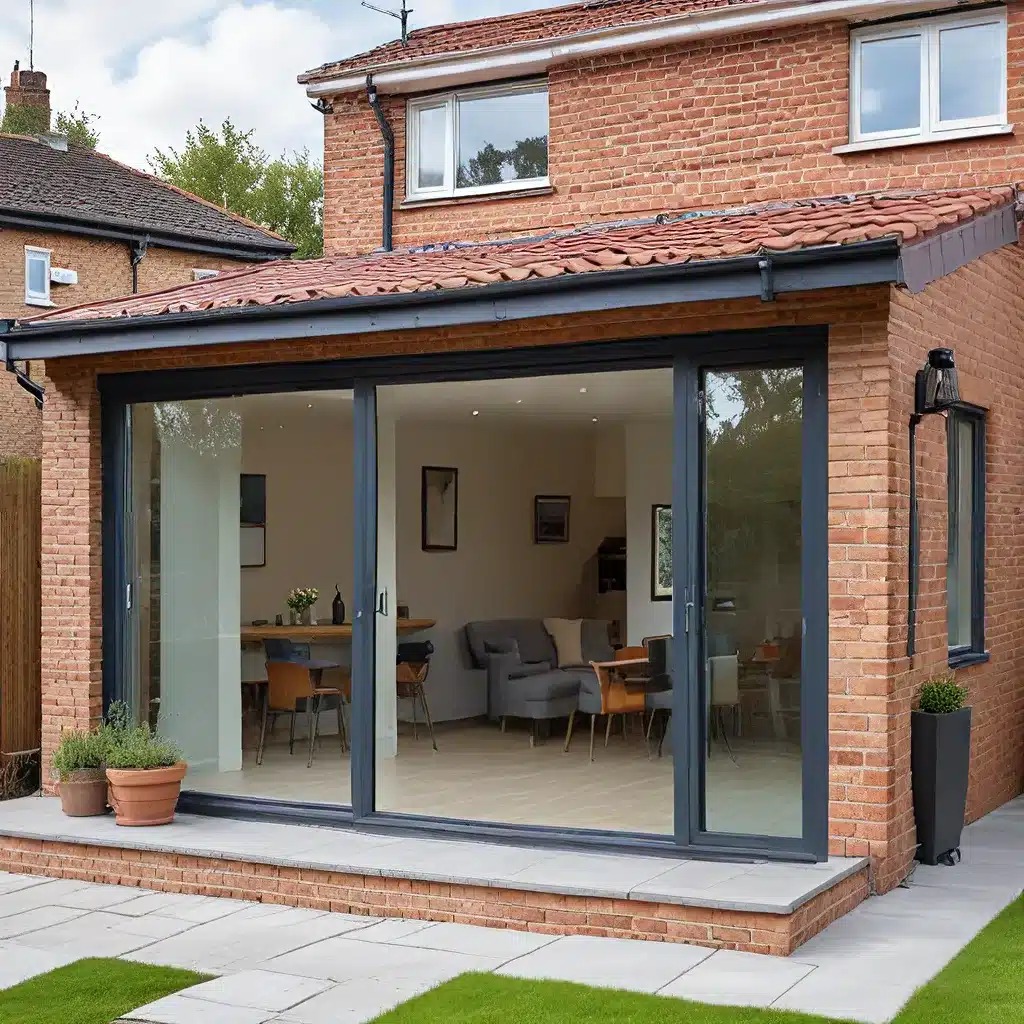
As someone who has gone through the process of planning and budgeting for a home extension, I can tell you it’s an exciting but often daunting experience. The prospect of expanding your living space and customizing it to your needs is incredibly appealing, but the financial side of things can be a real headache if you’re not careful.
That’s why I’m here to share some hard-earned insights and tips to help you budget for your home extension without any nasty surprises. Trust me, I’ve been there, and I don’t want you to make the same mistakes I did.
Understanding the True Costs of a Home Extension
When it comes to budgeting for a home extension, the first thing you need to understand is that the true costs go far beyond just the construction itself. There are a whole host of hidden expenses that can quickly add up and blow your budget out of the water if you’re not prepared.
For starters, there’s the cost of permits and approvals from your local council. Depending on the scope of your project, you may need to navigate a complex web of regulations and paperwork, and each step can come with its own fees. Don’t just assume this will be a minor expense – do your research and factor it in from the very beginning.
Next, you’ve got the cost of materials and labor. This is where a lot of people really underestimate the budget. They might get a quote from a contractor for the construction work, but they forget to account for things like the cost of specialized tools, heavy equipment rentals, and the inevitable ‘unexpected’ issues that crop up during the build.
And let’s not forget about the hidden costs of living through a home extension. If you’re going to be living in the house while the work is being done, you’ll need to factor in things like temporary accommodation, eating out more, and the cost of storing your belongings during the disruption.
The key is to leave no stone unturned when it comes to budgeting. Dig deep, ask lots of questions, and don’t be afraid to get multiple quotes and estimates. The more you can anticipate and plan for, the better.
Avoiding Surprises with Utility Costs
One area where a lot of people get caught off guard is the impact a home extension can have on their utility bills. It’s an easy thing to overlook, but the simple fact is that adding more living space to your home is going to increase your energy usage and, in turn, your monthly utility costs.
I learned this the hard way when I added a second-floor extension to my house a few years ago. My electricity and gas bills skyrocketed, and I ended up getting slapped with a huge ‘catch-up’ bill at the end of the year because I was on a utility budget billing plan.
It turns out that with budget billing plans, even if you pay your monthly bill in full, you can still end up in debt if your actual usage exceeds the monthly average. So, while the predictable monthly payments seemed appealing at first, I ended up in a real financial bind.
The lesson here is to be very wary of utility budget billing plans when you’re undergoing a home extension. Instead, I’d recommend closely monitoring your actual usage and setting aside the extra money you expect to owe each month in a dedicated savings account. That way, you can avoid any nasty surprises when the final bill comes due.
And don’t forget to explore other ways to minimize the impact on your utility costs, like upgrading to energy-efficient appliances or optimizing your home’s insulation. Every little bit helps when you’re trying to keep your budget in check.
Budgeting for Ongoing Maintenance and Upgrades
Another area that often catches people off guard is the ongoing maintenance and upgrade costs associated with a home extension. It’s easy to get caught up in the excitement of the initial construction and forget that your new space is going to require regular upkeep and occasional improvements over time.
Things like roof repairs, window replacements, and HVAC system upgrades can quickly add up, especially if you’re dealing with an older home that you’ve expanded. And let’s not forget about the costs of keeping your extension clean, painted, and looking its best.
When you’re budgeting for your home extension, make sure to set aside a healthy chunk of money for these ongoing expenses. A good rule of thumb is to allocate around 1-2% of the total project cost per year for maintenance and upgrades. That may seem like a lot, but trust me, it’s better to be prepared than to get hit with an unexpected bill down the line.
And speaking of upgrades, don’t forget to factor those into your budget as well. Maybe you’re planning to install a fancy new kitchen or add in some smart home technology. These kinds of improvements can be incredibly valuable, but they can also quickly eat up your budget if you’re not careful.
Leveraging Financing Options Wisely
One final tip when it comes to budgeting for your home extension: be strategic about how you finance the project. There are a variety of options available, from traditional mortgages to home equity loans to personal loans, and each comes with its own set of pros and cons.
If you’re considering a home extension, I’d highly recommend exploring the financing options offered by ABC Home. They have a team of experts who can help you navigate the complexities of home improvement loans and find the best solution for your unique situation.
The key is to do your research, understand the terms and conditions of each financing option, and choose the one that aligns best with your long-term financial goals. Don’t just go with the first thing that’s offered to you – take the time to crunch the numbers and make an informed decision.
And remember, even with the best financing plan, it’s still important to leave a healthy cushion in your budget for unexpected expenses. Home extensions have a way of throwing curveballs, and you want to be prepared for anything that might come your way.
Wrapping Up
Budgeting for a home extension is no easy feat, but with the right approach and some careful planning, you can avoid the dreaded surprises that can derail your project and your finances.
By understanding the true scope of the costs involved, being proactive about utility expenses, preparing for ongoing maintenance, and leveraging financing options wisely, you’ll be well on your way to a successful and stress-free home extension experience.
And remember, if you’re ever feeling overwhelmed or unsure, don’t hesitate to reach out to the experts at ABC Home. They’ve been through this process countless times and can provide invaluable guidance to help you navigate the challenges and ensure your project is a resounding success.
So, what are you waiting for? Let’s get started on planning your dream home extension!