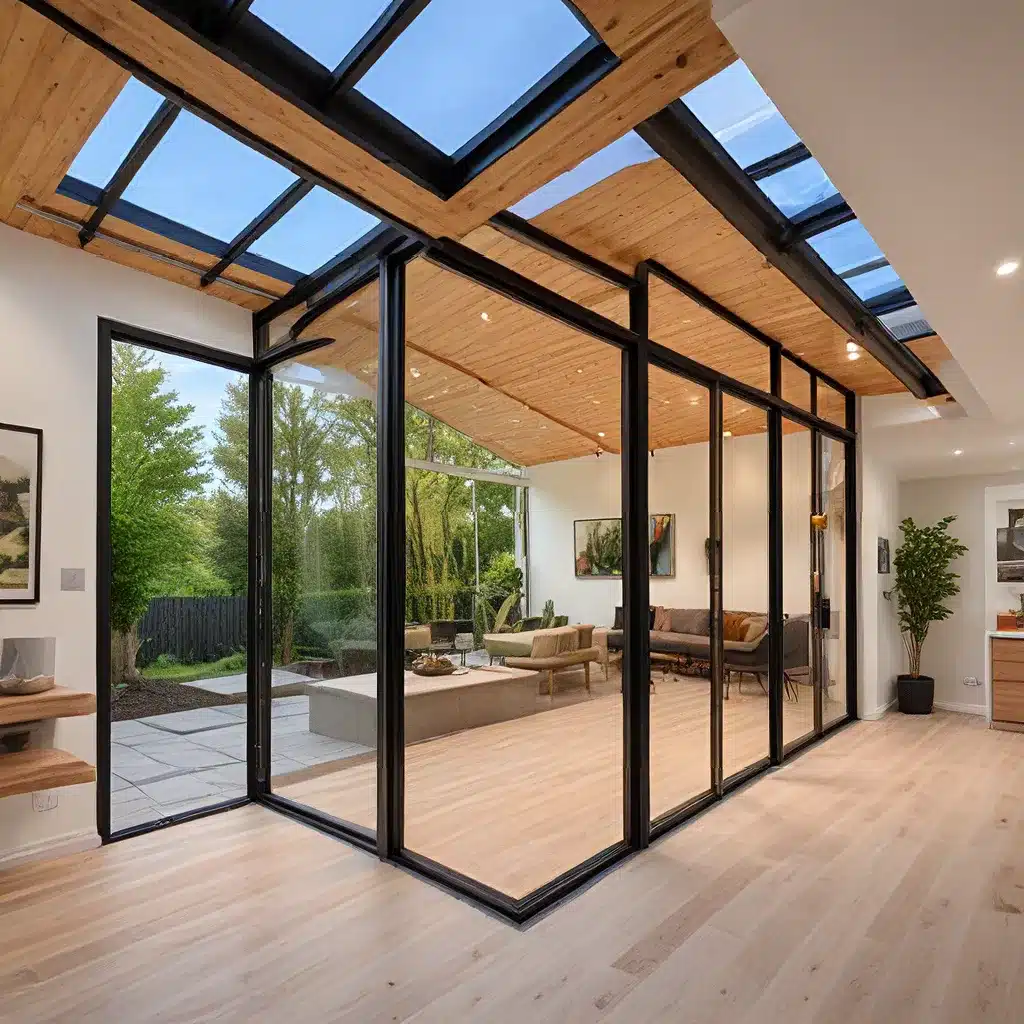
As a homeowner, I’m always on the lookout for ways to improve the energy efficiency of my home. Whether it’s adding an extension, renovating, or simply making upgrades, I know that investing in energy-efficient features can not only save me money in the long run but also reduce my carbon footprint and create a more comfortable living environment. That’s why I was thrilled when I stumbled upon the wealth of information available on the topic of sustainable home design and construction.
Conducting a Home Energy Assessment
The first step in my journey towards a more energy-efficient home was to conduct a home energy assessment, also known as an energy audit. This process involves a thorough evaluation of my home’s energy use, identifying areas where I can improve efficiency and potentially save on my utility bills. As the source information suggests, the U.S. Department of Energy’s Residential Services Network and the Building Performance Institute are great resources for finding tools and calculators to help me understand my home’s energy usage.
One of the key insights I gained from the energy assessment was the importance of a whole-house systems approach to optimizing energy efficiency. This means considering how all the different elements of my home – from the structure and building materials to the heating, cooling, and hot water systems – work together to impact energy consumption. By taking this holistic view, I can make informed decisions about the most effective upgrades and improvements to pursue.
Exploring Energy-Efficient Home Design Strategies
With the insights from my home energy assessment in hand, I started exploring the various energy-efficient home design strategies that could be applied to my home extension project. The source information provided a wealth of valuable information on this topic.
Passive Solar Design
One of the most intriguing approaches I came across was passive solar design. This involves strategically positioning and orienting my home to take advantage of the local climate and site conditions to provide natural heating and cooling. By incorporating features like large south-facing windows, thermal mass materials, and energy-efficient landscaping, I can harness the power of the sun to reduce my reliance on mechanical heating and cooling systems.
Cool Roofs
Another interesting concept was the idea of cool roofs. These roofs are designed to reflect more sunlight and absorb less heat, which can significantly reduce the amount of energy needed to keep my home cool during hot summer months. The source information highlighted that cool roofs use highly reflective materials to achieve this effect, and I’m excited to explore this option further as I plan my home extension.
Advanced Framing Techniques
The source information also mentioned advanced house framing, also known as optimum value engineering, as a way to improve energy efficiency in wood-framed homes. This approach reduces the amount of lumber used, minimizing waste and enhancing insulation performance. As I dive deeper into the details of my home extension project, I’ll be sure to consider this technique as a potential way to boost the energy efficiency of my new addition.
Exploring Alternative Building Materials and Techniques
In addition to the energy-efficient design strategies, the source information also touched on some alternative building materials and techniques that can contribute to a more sustainable home extension.
Earth-Sheltered Homes
One intriguing option is earth-sheltered homes, which can be built underground or bermed. When designed and constructed properly, these types of homes can be comfortable, durable, and energy-efficient. The source information provided some helpful insights into the considerations and potential barriers associated with earth-sheltered homes, which I’ll be sure to research further.
Straw Bale Construction
Another alternative building method that caught my eye was straw bale construction. The source information explained that while straw bale buildings were fairly common in the United States between 1895 and 1940, it wasn’t until the mid- to late-1990s that building codes began to acknowledge them as a viable approach. There are two main methods – non-load-bearing or post-and-beam, and load-bearing or Nebraska style – and I’m intrigued to learn more about how these techniques could be applied to my home extension project.
Log Homes
Finally, the source information touched on log homes, which use solid wood logs for the wall structure and insulation. While these homes require careful design, construction, and maintenance to achieve and maintain energy efficiency, I can’t help but be drawn to the natural, rustic appeal of this building approach.
Exploring Financing Options for Energy-Efficient Upgrades
As I continue to research and plan my home extension, I know that the financial aspect will be a key consideration. The good news is that there are a variety of financing options available to help homeowners like myself invest in energy-efficient upgrades and features.
According to the source information, one potential avenue to explore is ABC Home’s home extension and conversion services, which may be able to provide guidance and assistance in navigating the financing landscape. Additionally, I’ll be sure to look into any available government incentives, tax credits, or rebate programs that could help offset the upfront costs of my energy-efficient home improvements.
Conclusion: Embracing Sustainability for a Brighter Future
As I embark on this journey to optimize the energy efficiency of my home extension, I can’t help but feel a growing sense of excitement and optimism. The wealth of information and strategies available, combined with the potential to save money and reduce my environmental impact, is truly inspiring.
While the process may involve some additional research, planning, and potentially higher upfront costs, I’m confident that the long-term benefits will be well worth the effort. By embracing sustainable design principles and exploring innovative building materials and techniques, I can create a home that not only meets my family’s needs but also sets a positive example for our community.
As the source information suggests, the planning process for a home extension or remodel is the perfect time to prioritize energy efficiency. And with the support and expertise of professionals like those at ABC Home, I’m excited to embark on this journey and make my home a shining example of what’s possible when it comes to sustainable living. Who knows – maybe my efforts will even inspire my neighbors to follow suit, creating a ripple effect of energy-efficient home improvements throughout the local community.