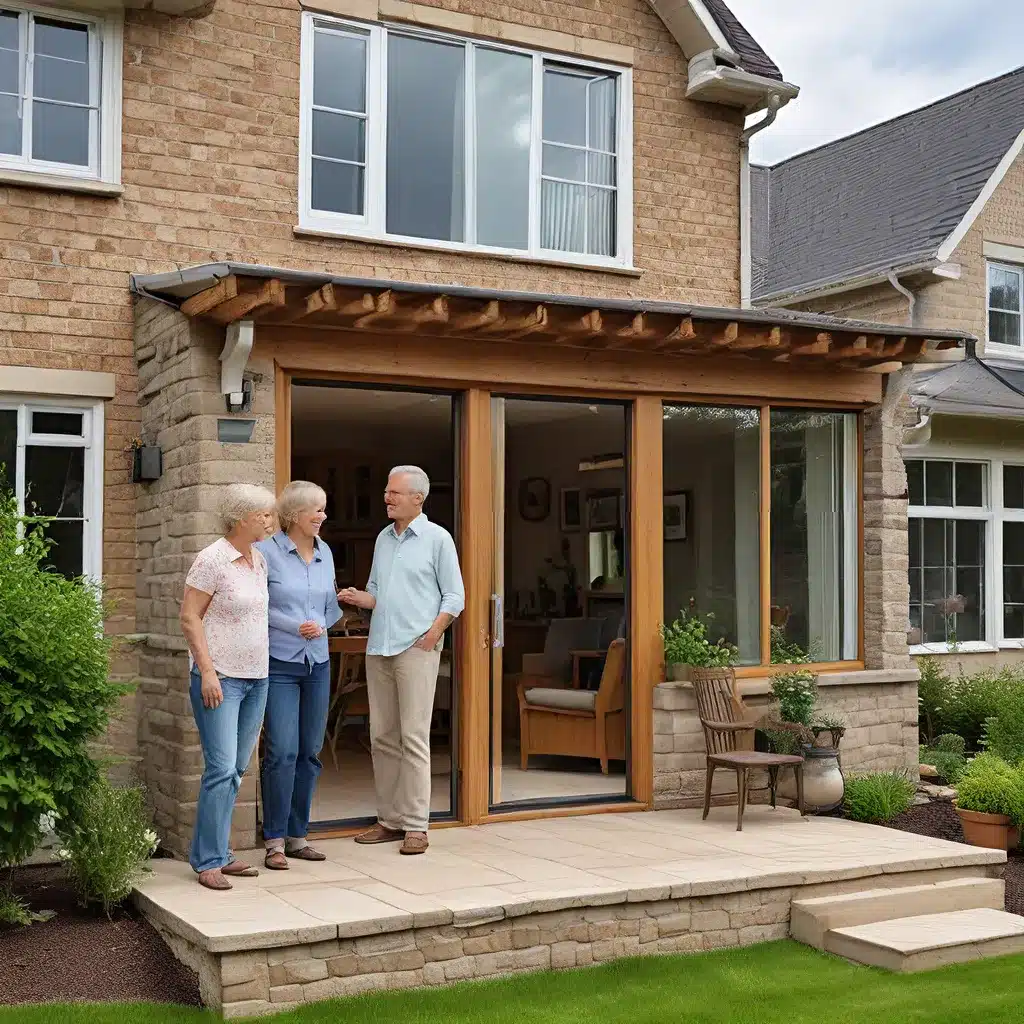
As I get older, the idea of “aging in place” – staying in my own home for as long as possible – has become increasingly appealing. I know I’m not alone in this sentiment. According to the National Association of Home Builders (NAHB), older adults are making the conscious choice to remain in their homes for as long as they can, prompting a rise in home renovations and new construction aimed at accommodating future physical limitations.
Assessing Your Home’s Aging-in-Place Potential
When I first started thinking about adapting my home for the long-term, I have to admit I felt a bit overwhelmed. Where do I even begin? Thankfully, the NAHB has put together a comprehensive Aging-in-Place Remodeling Checklist that has been incredibly helpful in guiding my thought process.
One of the key considerations is the exterior of my home. I need to think about low-maintenance materials like vinyl siding and brick, as well as easy-care landscaping with low-maintenance shrubs and plants. After all, tedious outdoor tasks that are easy for me now will likely become much more challenging down the road.
The entry to my home is another crucial area. I want to ensure there is minimal or no step to get inside, with a covered entryway and a well-lit, non-slip floor in the foyer. And the doorway itself should be a minimum of 32 inches wide to accommodate any mobility aids I may need in the future.
Maximizing Accessibility and Comfort
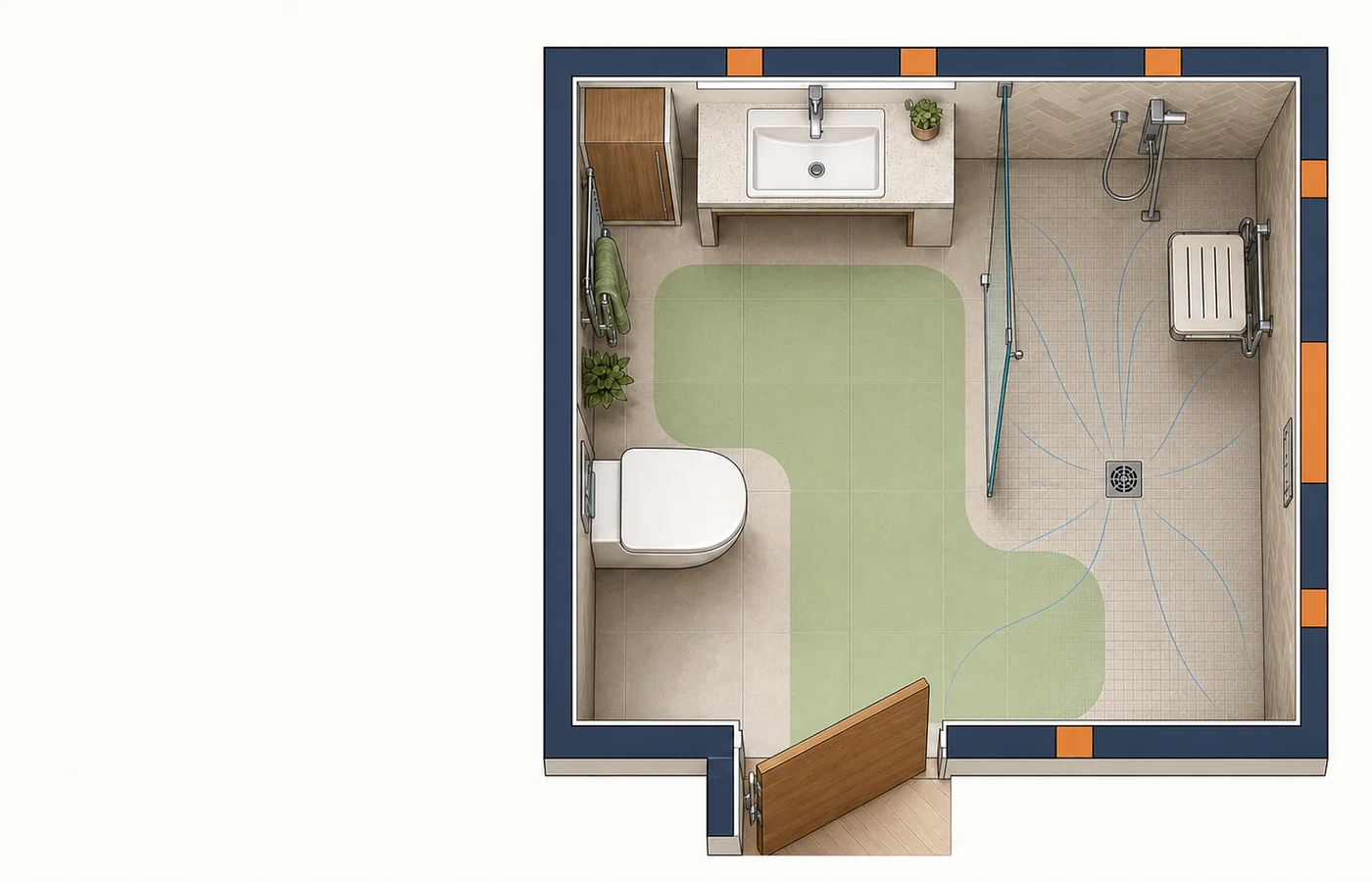
Once you step inside, the focus shifts to creating a home that is easy to navigate and accommodates any physical limitations. Hallways should be a minimum of 36 inches wide, with ample lighting to avoid tripping hazards. And in the main living areas – the living room, kitchen, bedrooms, and bathrooms – I need to make sure there is a minimum 5-foot by 5-foot turning radius for maneuverability.
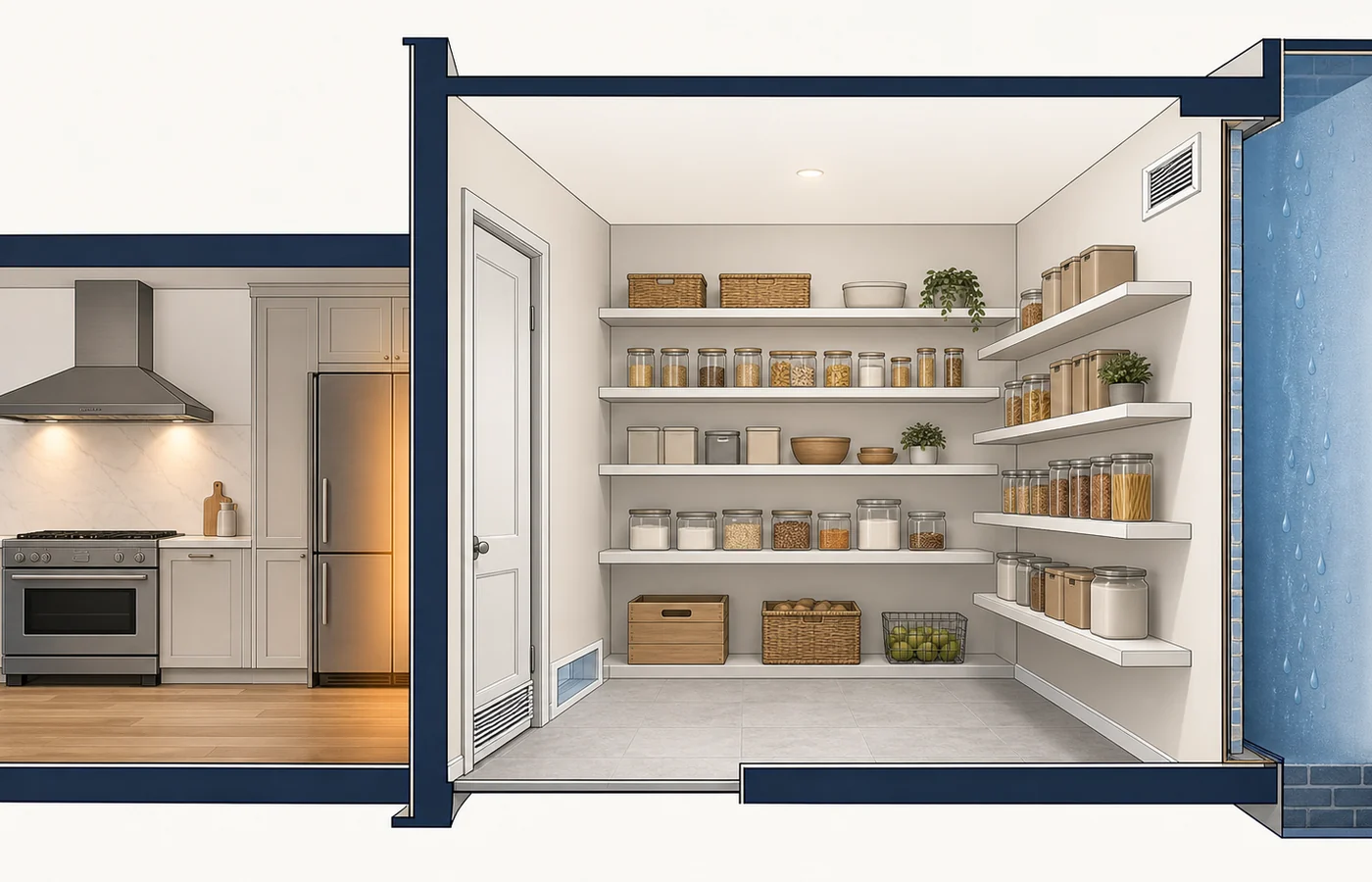
The kitchen is an especially important space to consider. I’m looking into features like adjustable-height countertops, roll-out trays and lazy susans in the lower cabinets, and strategically placed appliances with easy-to-read controls. A side-by-side refrigerator/freezer and a wall oven will also make everyday tasks more accessible.
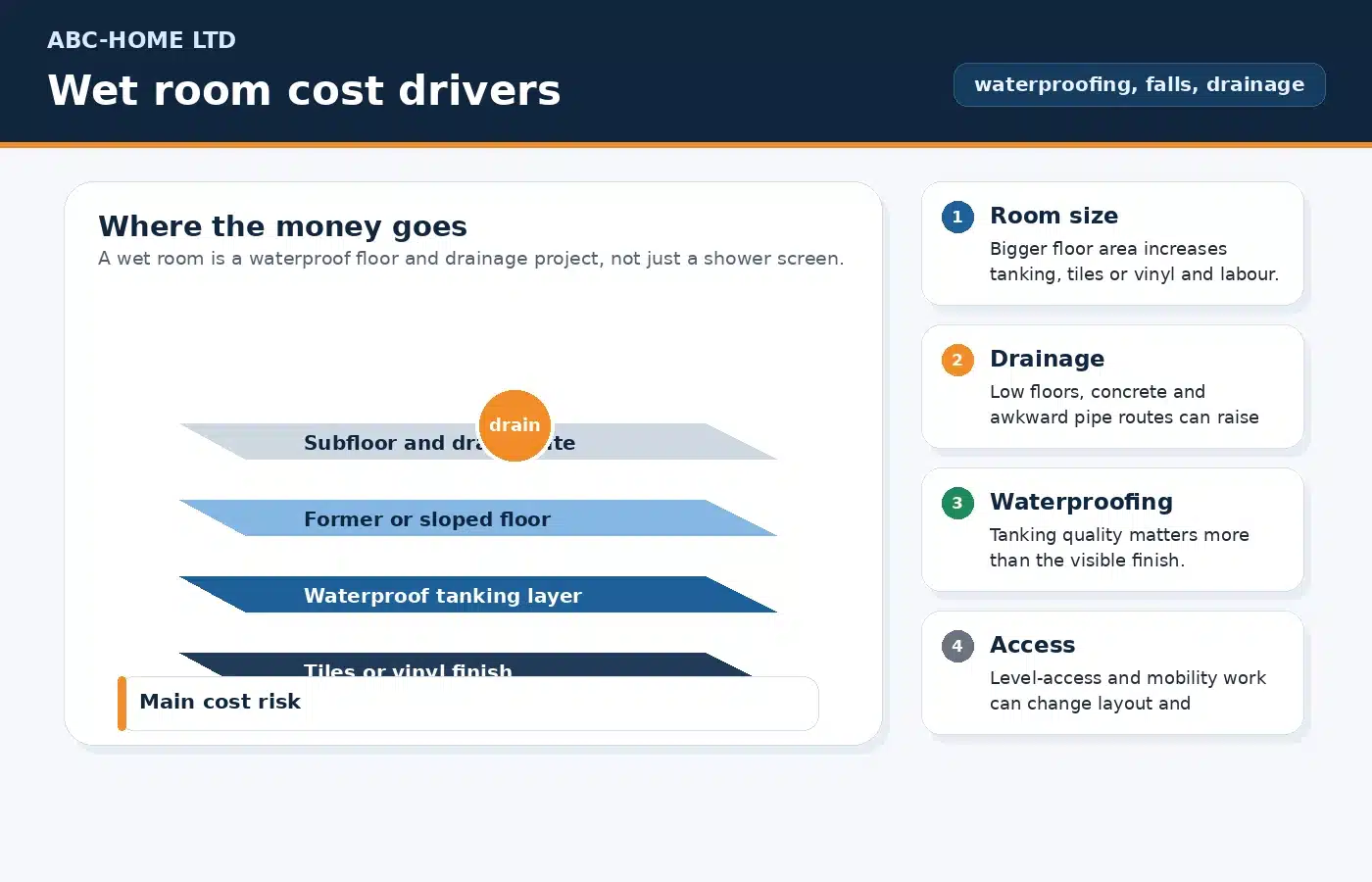
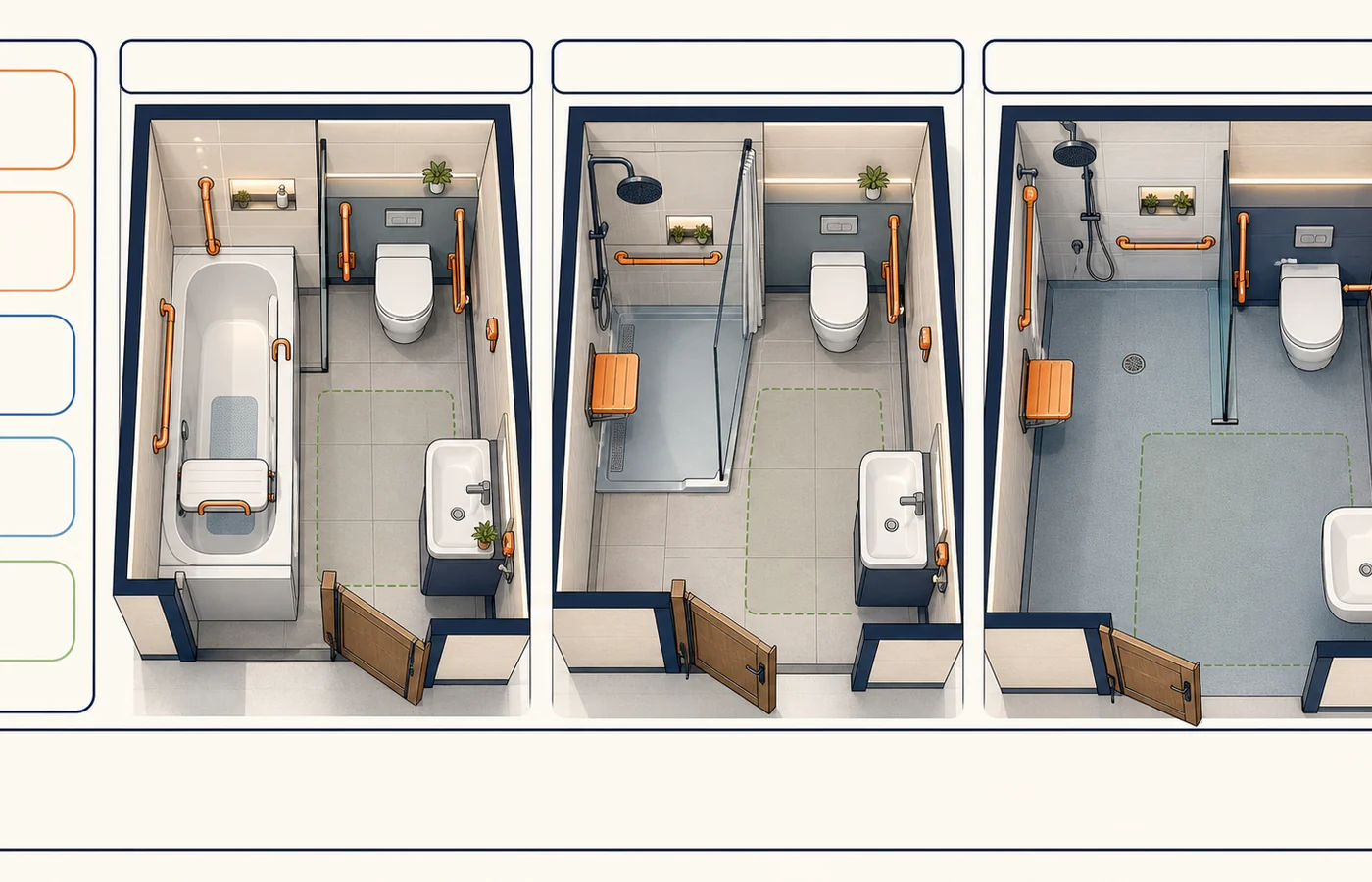
And in the bathroom, I’m planning for a curbless, walk-in shower with a built-in seat, a handheld showerhead, and grab bars that can support up to 300 pounds. The toilet should be 17-19 inches high, with a wall-mounted sink to provide knee clearance. Slip-resistant flooring is an absolute must.
Embracing Smart Home Technology
As I dive deeper into my home renovation plans, I’m also excited about the potential of smart home technology to enhance my aging-in-place experience. Features like voice-activated lighting, temperature control, and security systems can make daily tasks much easier. And a 911 switch directly connected to emergency services could be a lifesaver.
I’m even exploring the possibility of pre-framing for a future elevator or stair lift, as multi-story homes may require additional accommodations for when stairs become too challenging. The NAHB suggests a stairway width of at least 4 feet to allow for such installations.
A Thoughtful, Gradual Approach
One of the key insights I’ve gained from my research is that aging-in-place renovations don’t have to happen all at once. In fact, the team at Michigan Medicine’s Health Lab recommends planning ahead and making changes gradually, as that can be a more manageable and cost-effective approach.
So as I work with my contractor to map out the updates to my home, I’m taking a thoughtful, step-by-step approach. I may start with the essentials, like improving the entry and upgrading the bathroom, and then tackle larger projects like the kitchen or even a home addition down the line.
Embracing the Journey
The prospect of adapting my home for the long-term can feel daunting at times, but I’m trying to embrace it as an exciting opportunity. After all, these renovations aren’t just about preparing for the future – they’re about creating a space that truly supports my independence and comfort in the here and now.
And who knows, I may even discover some unexpected benefits along the way. As the team at the National Institute on Aging points out, falls and other accidents become less of a concern when your home is designed with accessibility and safety in mind. That’s certainly a game-changer as I get older.
So as I embark on this journey of aging in place, I’m determined to approach it with a positive mindset. With careful planning, a gradually phased approach, and a little bit of creativity, I’m confident I can transform my home into a sanctuary that will serve me well for years to come.
ABC Home offers a range of services to help homeowners like myself adapt their living spaces for aging in place. From home extensions and conversions to accessibility-focused renovations, their team of experts can guide me through every step of the process. I’m excited to work with them to create a home that truly meets my evolving needs.