As someone who’s been through the joys and challenges of multigenerational living, I can tell you that creating a harmonious home that caters to diverse needs is no small feat. But let me share a little secret with you – with the right design approach, you can craft a space that not only brings your family closer together, but also adapts seamlessly as your needs evolve over time.
Adaptable Floorplans: The Key to Flexible Living
One of the foundational elements of a successful multigenerational home is an adaptable floorplan. By incorporating features like main-floor bedrooms, open-concept layouts, and multifunctional rooms, you can create a living space that can easily accommodate the changing needs of your family, whether it’s aging parents, growing children, or even a home-based business.
Imagine a world where your aging grandparents can comfortably age in place, without the stress of navigating stairs or feeling isolated in a separate wing of the house. Or envision a scenario where your teenagers can host their friends in a dedicated lounge area, while you keep a watchful eye from the open-concept kitchen and living room. It’s all about striking the perfect balance between private and shared spaces.
As the experts at Sarco Architects point out, an open floor plan not only encourages socialization and interaction, but it also allows for easy supervision of young children or elderly relatives. And who doesn’t love the idea of a den that can double as a guest room when the in-laws come to visit?
Accessibility: Designing for All Abilities
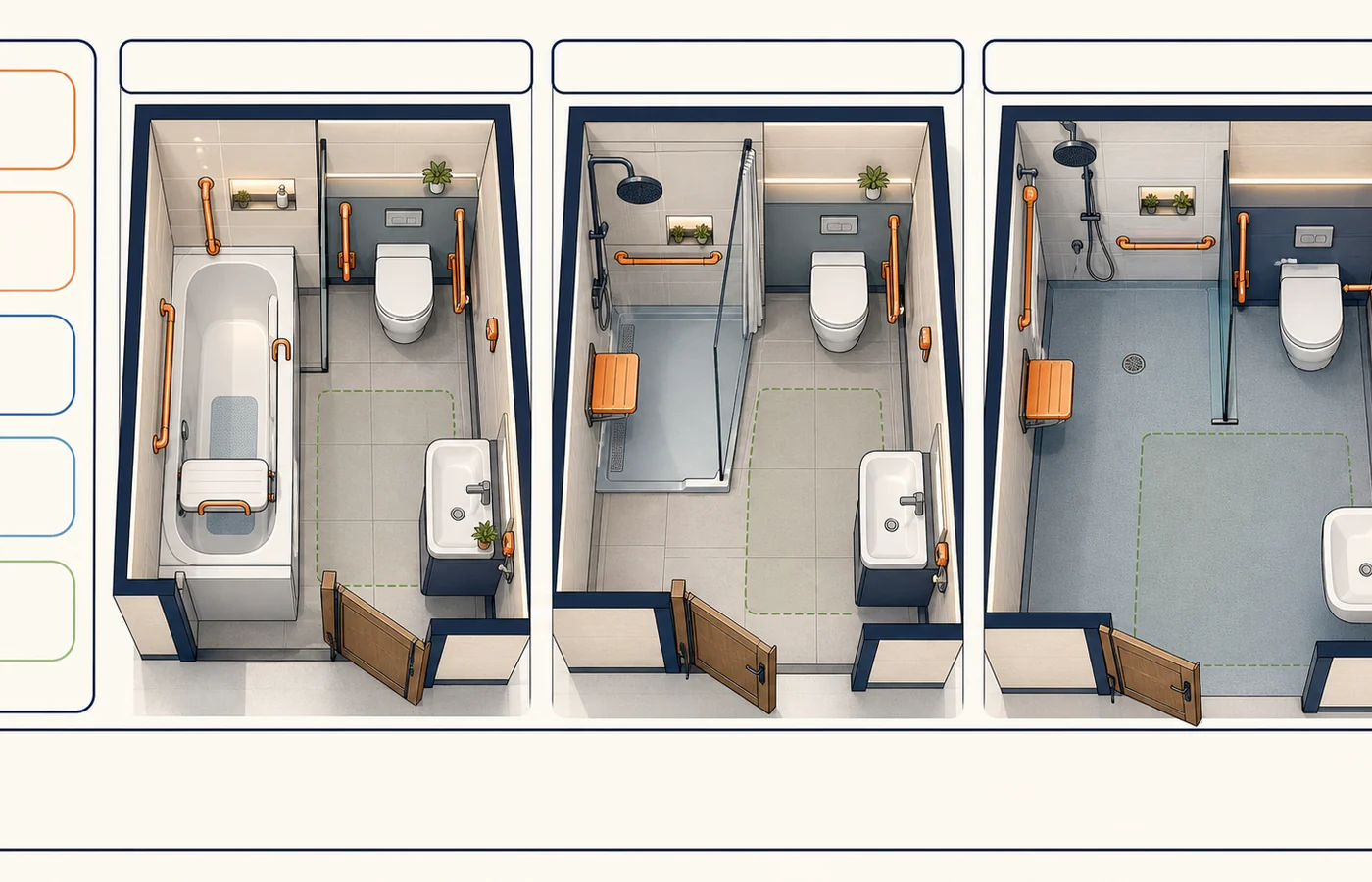
But adaptability is just one piece of the puzzle. To truly create a home that works for everyone, we need to embrace the principles of universal design. This means incorporating features that enhance accessibility and comfort, regardless of age or ability.
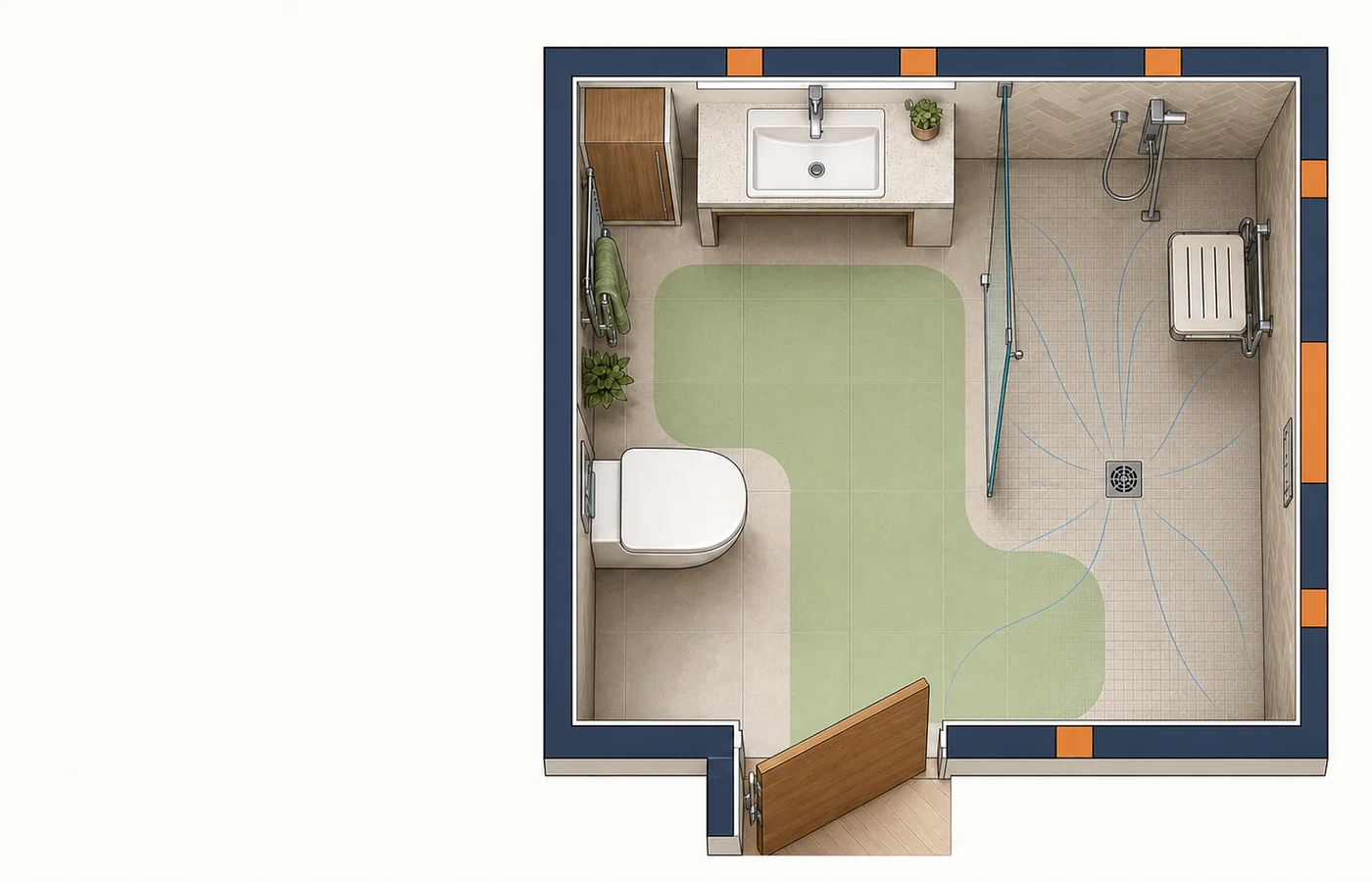
Think wide doorways and hallways that can accommodate wheelchairs, walkers, and strollers. Imagine zero-step entryways that eliminate the frustration of navigating steps. And what about those adjustable-height countertops in the kitchen, making it a breeze for grandma to whip up her famous apple pie or for your little one to help mix the batter.
As the team at Houseplans.co explains, universal design is all about creating a built environment that’s accessible for as much of the population as possible, throughout their entire lives. It’s not just about accommodating those with disabilities – it’s about making life easier for everyone, from toddlers to centenarians.
And the best part? Thoughtful universal design features don’t have to come at the expense of style or aesthetics. In fact, they can often enhance the overall look and feel of your home, transforming it into a true oasis of comfort and accessibility.
Balancing Private and Shared Spaces
Now, I know what you’re thinking – with all these family members under one roof, how do you maintain a sense of privacy and personal space? It’s a valid concern, but one that can be easily addressed with strategic design.
The key is to create a harmonious balance between private suites or wings and shared gathering spaces. Imagine a scenario where your aging parents have their own self-contained living quarters, complete with a bedroom, bathroom, and kitchenette. This allows them to enjoy their independence and maintain a sense of privacy, while still being a part of the larger family dynamic.
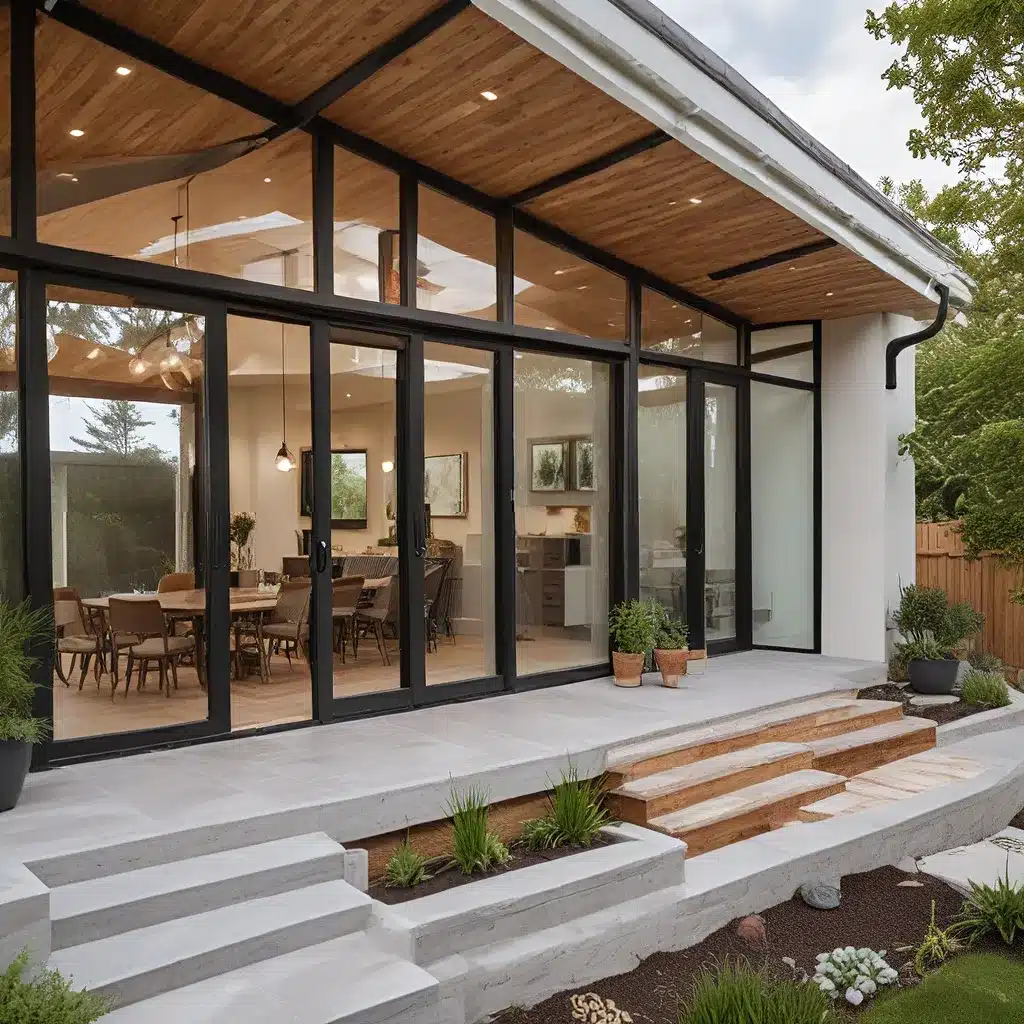
At the same time, you’ll want to incorporate plenty of common living areas, like family rooms, dining rooms, and outdoor patios, where everyone can come together to bond, share meals, and create lasting memories. And let’s not forget about the importance of soundproofing – strategically placed walls and floors can help reduce noise transfer between rooms, ensuring that everyone can find their own quiet oasis when needed.
As the experts at Mountain High Builders in Bend, Oregon so eloquently state, “Thoughtful allocation of private and shared spaces can contribute to a harmonious living environment.” It’s all about finding that perfect equilibrium between individuality and community.
Embracing the Great Outdoors
Now, let’s talk about one of the most important aspects of any Bend, Oregon home – the great outdoors. After all, what’s the point of living in this beautiful, nature-filled region if you can’t take full advantage of it?
When designing your multigenerational dream home, be sure to integrate thoughtful landscape design that caters to everyone’s interests and abilities. Imagine a lush, raised garden bed where Grandma can tend to her prized tomatoes, or a designated play area where the little ones can burn off some energy. And let’s not forget about those covered outdoor living spaces that provide shade and protection from the elements, making them usable year-round.
But accessibility is key, so be sure to incorporate smooth pathways, ramps, and level transitions that allow everyone to freely explore the great outdoors. After all, what could be better than a family barbecue or a game of frisbee in the backyard, with the majestic Cascade Mountains as your backdrop?
Celebrating the Bonds of Family
As I reflect on my own multigenerational living experience, I’m reminded of the incredible richness and depth it brings to our family dynamic. It’s not always easy, of course – there are bound to be challenges and compromises along the way. But when you have a home that’s thoughtfully designed to meet the diverse needs of your loved ones, those challenges suddenly don’t seem quite as daunting.
So, if you’re embarking on the journey of creating your dream home extension or conversion in beautiful Bend, Oregon, I encourage you to embrace the principles of adaptability, accessibility, and balance. Craft a space that not only celebrates the bonds of your family, but also evolves alongside you, providing a nurturing and harmonious environment for all stages of life.
After all, as the saying goes, “Home is where the heart is.” And with a little bit of intentional design, your multigenerational home can become a true sanctuary, a place where memories are made, laughter echoes, and the ties that bind your family only grow stronger with each passing year.