Embracing the Golden Years with Comfort and Dignity
As we grow older, the idea of aging in place – the ability to live safely, independently, and comfortably in our own homes – becomes an increasingly appealing lifestyle choice. After all, what could be more comforting than being surrounded by the familiar comforts of the place we’ve called home for years, if not decades? But achieving this vision of graceful aging requires intentional planning and design, especially when it comes to home extensions and renovations.
I know from personal experience how daunting this process can feel. When my parents started to struggle with mobility and accessibility in their once-perfect family home, I felt overwhelmed trying to figure out the best way to adapt their space. Should we add a new wing? Completely overhaul the bathroom? The options seemed endless, and I worried about maintaining the warm, inviting atmosphere they had cultivated over the years.
Thankfully, I discovered that thoughtful, age-in-place design can seamlessly blend accessibility, functionality, and aesthetic appeal. By incorporating a few strategic elements, you can transform your home into a sanctuary that supports your independence and well-being, without sacrificing the charm and character you love.
Designing for Mobility and Safety
One of the cornerstone principles of age-in-place design is ensuring smooth, uninterrupted mobility throughout the home. This often starts with the bathroom, a space that can pose significant safety risks for seniors or those with limited mobility.
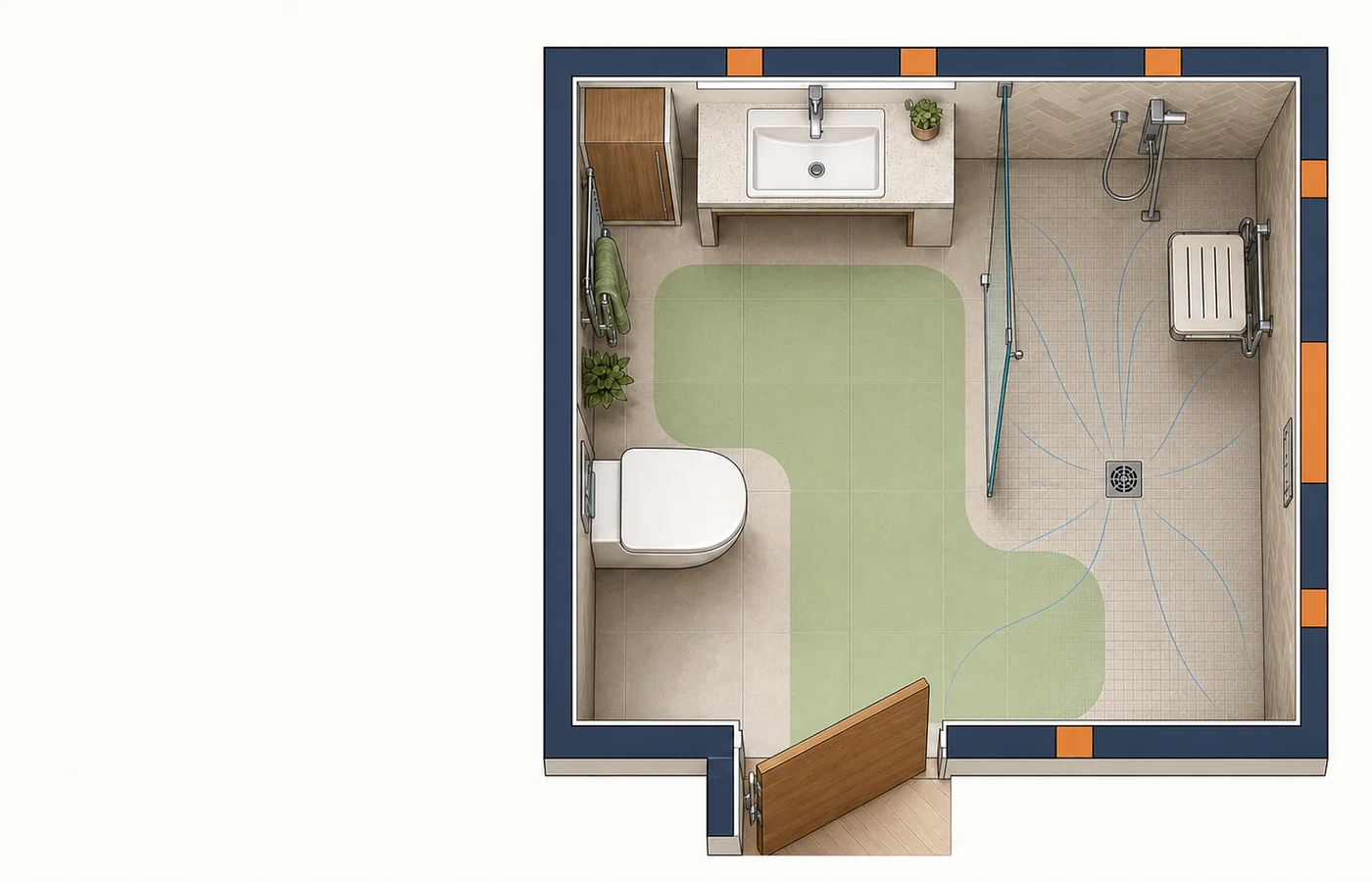
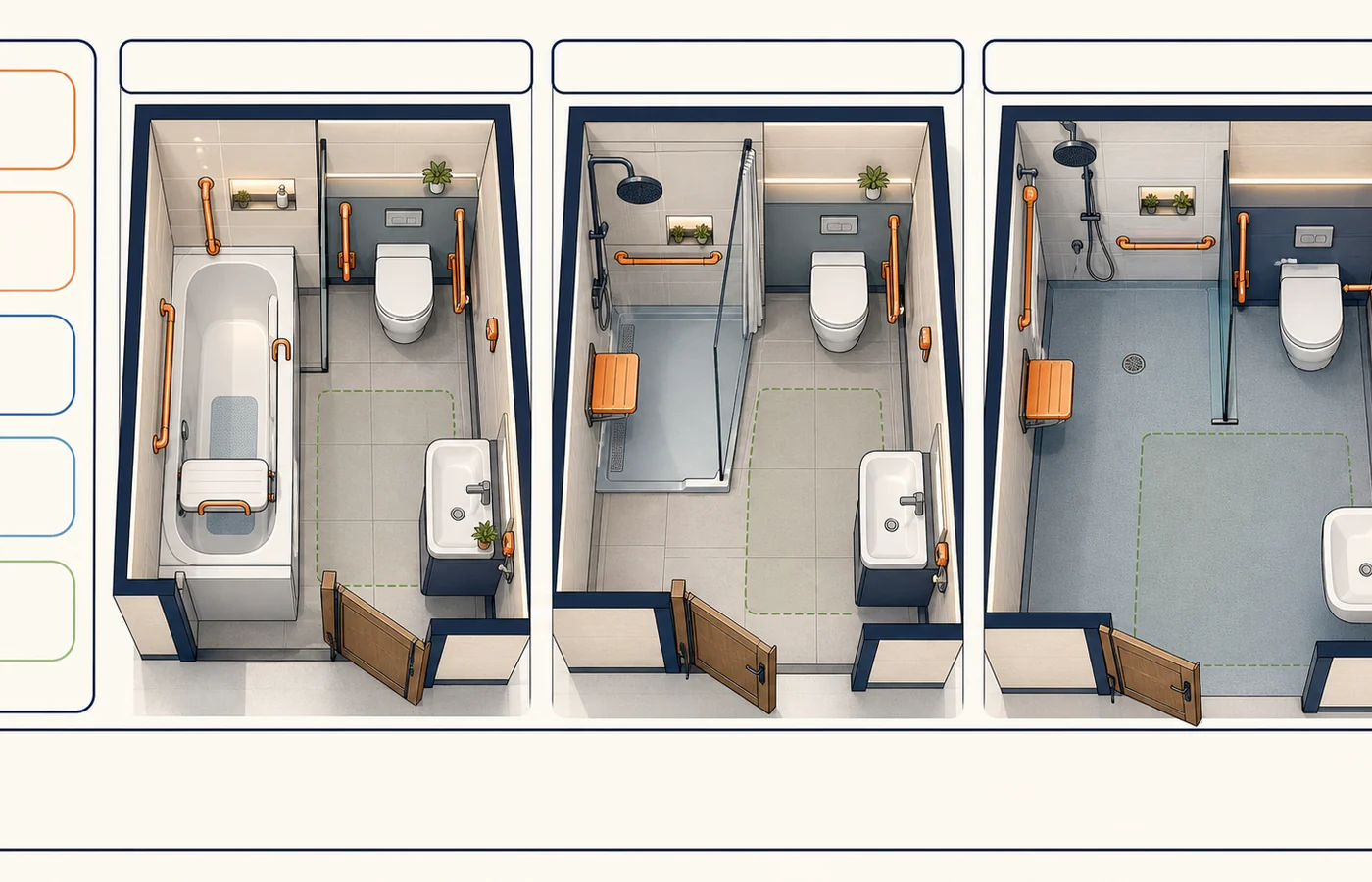
A zero-entry or curbless shower is a game-changer in this regard. By eliminating the traditional raised threshold, you create an unobstructed transition from the bathroom floor to the shower area, making it easy for anyone – even those in wheelchairs – to access the space without the risk of tripping or falling. Pair this with a roll-in design, and you’ve got a truly accessible shower that caters to a wide range of needs.
But accessibility doesn’t have to mean sacrificing style. In fact, the seamless, modern look of a curbless shower can actually enhance the overall aesthetic of your bathroom. And by incorporating multiple showerheads, including a handheld option, you can enjoy the flexibility to direct the water flow exactly where it’s needed, whether you’re standing or seated.
Another must-have feature for an age-in-place bathroom is a built-in shower bench. This provides a comfortable, safe spot to rest during the shower, reducing the risk of falls and slips. For an even more personalized touch, consider a bench that matches the overall design of your shower enclosure.
Therapeutic Benefits for Body and Mind
While functionality and safety are essential, don’t forget the therapeutic benefits that can elevate your age-in-place bathroom design. Steam showers and saunas, for example, can offer relief for common seniors’ ailments like joint pain and poor circulation, all while promoting relaxation and a sense of well-being.
Of course, when incorporating these luxurious features, it’s crucial to prioritize safety. Thoughtful design elements like non-slip flooring and appropriate seating will ensure a secure and enjoyable experience.
For those who struggle with the challenge of getting in and out of a traditional bathtub, a walk-in bathtub can be a game-changer. These tubs feature a door that allows for easy entry and exit, eliminating the need to step over the side. Many models also come equipped with handrails, non-slip surfaces, and comfortable seating, making the bathing experience safer and more comfortable.
Embracing Assistive Technology
While the physical design of your home extension is undoubtedly crucial, don’t overlook the power of assistive technology to enhance your age-in-place experience. Simple additions like grab bars, strategically placed for maximum support, can make a world of difference in everyday bathroom tasks.
But the innovations don’t stop there. Bidet attachments, for instance, can significantly improve personal hygiene, especially for those with limited mobility or dexterity. And higher-seated toilets, often referred to as “comfort height” models, can make the transition from sitting to standing much easier.
Even something as seemingly mundane as your bathroom countertop height can have a significant impact. By opting for a slightly taller vanity, you can reduce the need to bend over, which can be a challenge for seniors or those in wheelchairs. Pair this with a floating vanity design that provides extra legroom, and you’ve got a bathroom that truly caters to your needs.
Designing for Independence and Privacy
As we navigate the journey of aging, maintaining a sense of independence and privacy is crucial. That’s why in a multigenerational home design, it’s essential to thoughtfully consider the layout and accessibility of your living spaces.
One effective strategy is to spread out the bedrooms across different floors, ensuring that each generation has a designated area for rest and relaxation. This not only provides a sense of privacy but can also make it easier for elderly family members to access their living quarters without having to navigate the entire home.
In addition to separate sleeping quarters, dedicating distinct living areas for each generation can be a game-changer. Whether it’s a cozy family room, a tranquil den, or a vibrant playroom, these specialized spaces allow everyone to retreat and recharge without constantly being in each other’s company.
And let’s not forget the importance of private bathrooms. Sharing this intimate space can be a challenge in any household, let alone a multigenerational one. By offering ensuite bathrooms for each generation, you can nip potential conflicts in the bud and ensure everyone enjoys the comfort and convenience they deserve.
Bringing It All Together
As you embark on your home extension journey, remember that aging in place is not just about function – it’s about preserving the essence of what makes a house a home. By thoughtfully blending accessibility, safety, and therapeutic elements into your design, you can create a space that not only supports your independence but also reflects your personal style and the cherished memories you’ve built over the years.
And if you’re feeling overwhelmed by the process, don’t hesitate to reach out to the experts at ABC Home. Their team of experienced designers and builders is dedicated to guiding you through every step, ensuring your dream of graceful aging in place becomes a reality. So why wait? Let’s embark on this journey together and unlock the true potential of your home – a sanctuary that will grow and evolve with you, just like the life you’ve built within its walls.