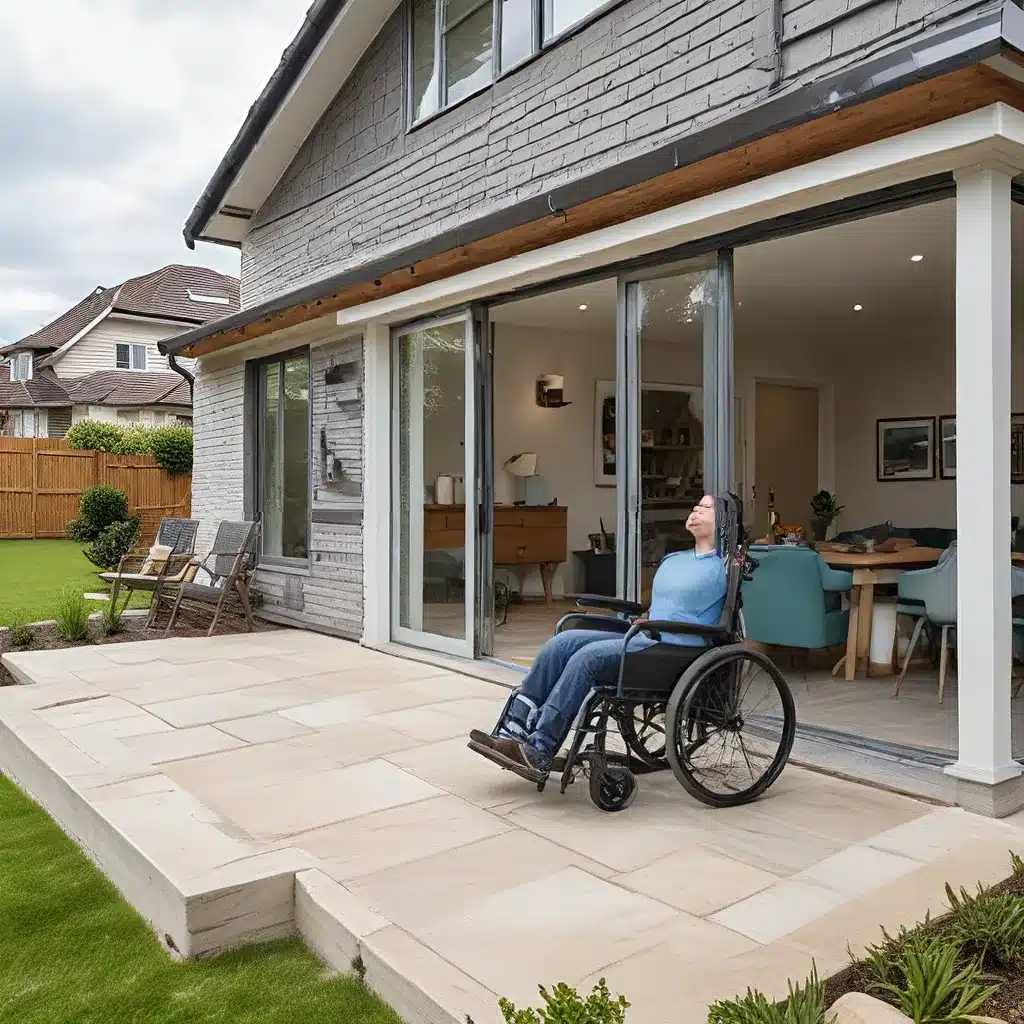
As a homeowner in Aberdeen, I know firsthand how exciting and daunting the prospect of a home extension can be. On one hand, the opportunity to expand and customize your living space is thrilling. But on the other, navigating the complexities of accessibility and inclusivity can feel overwhelming.
That’s why I’m here to share my journey of designing an accessible and inclusive home extension – lessons learned, design considerations, and practical tips that can help make your project a resounding success.
Embracing Diversity and Inclusion
When it comes to home design, diversity and inclusion should be at the forefront of our minds. After all, our homes are meant to be sanctuaries where everyone, regardless of their abilities or backgrounds, can feel welcome and comfortable.
Recently, the White House has reaffirmed the importance of these principles, issuing an Executive Order that establishes “diversity, equity, inclusion, and accessibility” as priorities for the federal government. The goal is to build a workforce that “draws from the full diversity of the Nation” and ensure that all individuals, including those from underserved communities, are treated with dignity and respect.
This philosophy should extend to our homes as well. By designing with accessibility in mind, we can create spaces that cater to the diverse needs of our family, friends, and guests. It’s not just about compliance – it’s about building a more inclusive world, one home at a time.
Assessing Your Needs
Before you embark on your home extension project, it’s crucial to assess your needs and those of your household. Consider the following questions:
- Who will be using the new space? Will it be primarily for your own use, or will you be hosting guests with varying abilities?
- What accessibility challenges do you or your loved ones face? Perhaps you have a family member with mobility issues, visual impairments, or cognitive differences.
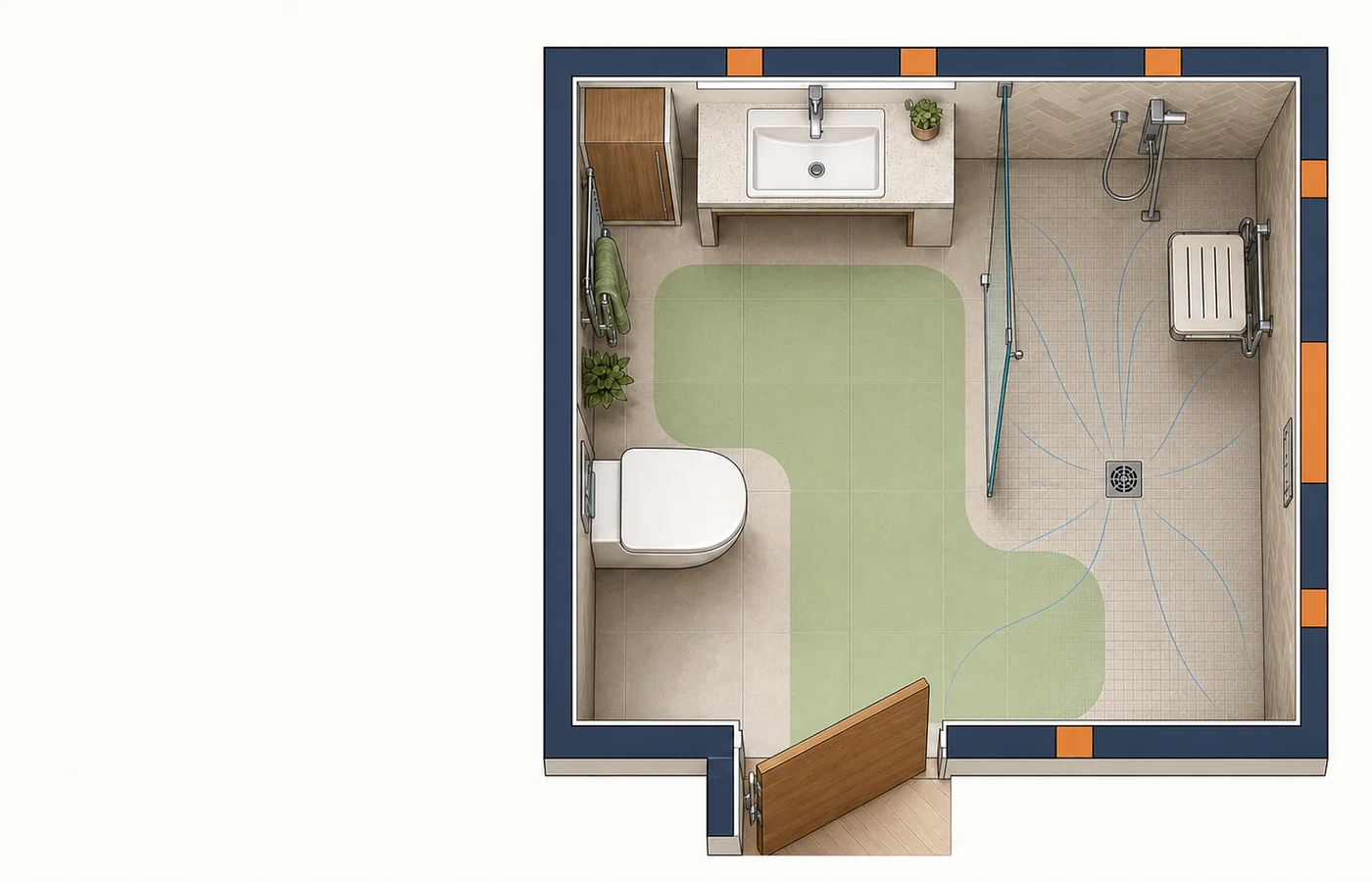
- How can the design of the new space accommodate these needs? Think about things like wide doorways, level thresholds, and intuitive lighting controls.
By taking the time to understand your specific requirements, you can ensure that your home extension project is tailored to the needs of all who will use it.
Incorporating Accessibility Features
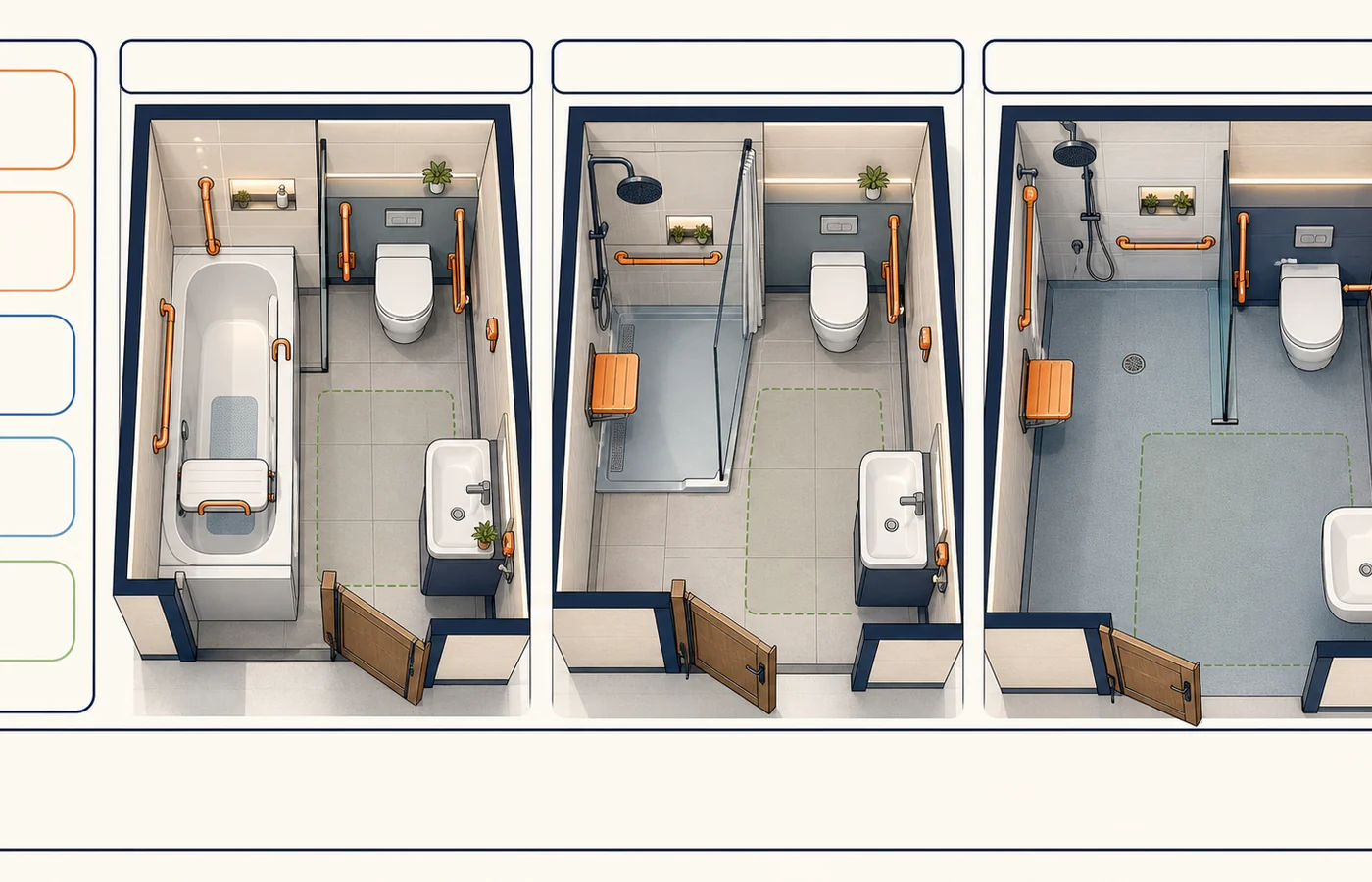
Now, let’s dive into the nitty-gritty of accessibility features that can transform your home extension into a truly inclusive space. Here are some key considerations:
Mobility and Dexterity
– Wide Doorways and Hallways: Aim for a minimum width of 36 inches to accommodate wheelchairs and mobility aids.
– Level Thresholds: Eliminate any steps or raised surfaces that could trip up those with mobility challenges.
– Adjustable Countertops and Cabinetry: Allow for easy access and maneuverability for users of various heights.
Visual Accessibility
– Ample Lighting: Ensure even, glare-free illumination throughout the space.
– Contrasting Colors: Use high-contrast color schemes to help visually impaired individuals navigate the environment.
– Tactile Cues: Incorporate textural elements, like floor patterns or wall textures, to aid in wayfinding.
Cognitive and Sensory Considerations
– Intuitive Layout: Organize the space in a logical, easy-to-understand manner.
– Minimize Distractions: Opt for calming colors, reduce noise levels, and avoid overstimulating visual elements.
– Flexible Controls: Make switches, outlets, and other controls simple to operate and within easy reach.
Remember, the key is to strike a balance between form and function. By prioritizing accessibility, you can create a home extension that is not only beautiful but also truly inclusive.
Collaborating with Design Professionals
When it comes to implementing these accessibility features, collaboration with experienced design professionals can be invaluable. Look for architects, interior designers, or accessibility consultants who have a proven track record of creating inclusive spaces.
These experts can provide guidance on the latest accessibility standards, offer innovative design solutions, and ensure that your home extension project meets or exceeds regulatory requirements. They can also help you navigate the sometimes-complex world of building codes and zoning regulations.
Engage these professionals early in the planning process to ensure that accessibility is woven into the very fabric of your home extension, rather than being an afterthought.
Embracing Universal Design
As you embark on your home extension journey, consider embracing the principles of universal design. This approach goes beyond simply accommodating specific needs; it aims to create spaces that are usable by all people, to the greatest extent possible, without the need for adaptation or specialized design.
Universal design principles include:
– Equitable Use: The design is useful and marketable to people with diverse abilities.
– Flexibility in Use: The design accommodates a wide range of individual preferences and abilities.
– Simple and Intuitive Use: Use of the design is easy to understand, regardless of the user’s experience, knowledge, language skills, or current concentration level.
– Perceptible Information: The design communicates necessary information effectively to the user, regardless of ambient conditions or the user’s sensory abilities.
By embracing these principles, you can create a home extension that not only meets the needs of your family but also appeals to a broader range of potential homebuyers should you ever decide to sell.
Ongoing Maintenance and Adaptation
Accessibility is not a one-time consideration – it’s an ongoing process that requires vigilance and adaptation. As your needs or the needs of your household change over time, your home extension must be able to evolve with you.
Regularly assess the accessibility of your home extension and make necessary adjustments. This could include:
– Updating lighting fixtures or controls
– Modifying cabinetry or countertops to accommodate changing physical abilities
– Enhancing wayfinding cues or signage
– Addressing any emerging accessibility challenges
Remember, a truly inclusive home is one that can adapt and grow with its occupants, ensuring a lifetime of comfort, safety, and accessibility.
Sharing Your Story
As you embark on your home extension journey, I encourage you to share your story and inspire others. Document your design process, showcase your accessible features, and highlight the positive impact these changes have had on your life.
By sharing your experience, you can help raise awareness about the importance of inclusive design and encourage others to prioritize accessibility in their own home projects. Who knows – your story might just be the spark that inspires someone else to create a more welcoming and inclusive living environment.
Remember, your home extension is not just about bricks and mortar – it’s about building a better world, one accessible space at a time. So let’s get started on your journey towards an inclusive, equitable, and accessible home that truly reflects the diversity of our community.
Explore our home extension services to see how we can help bring your vision to life.