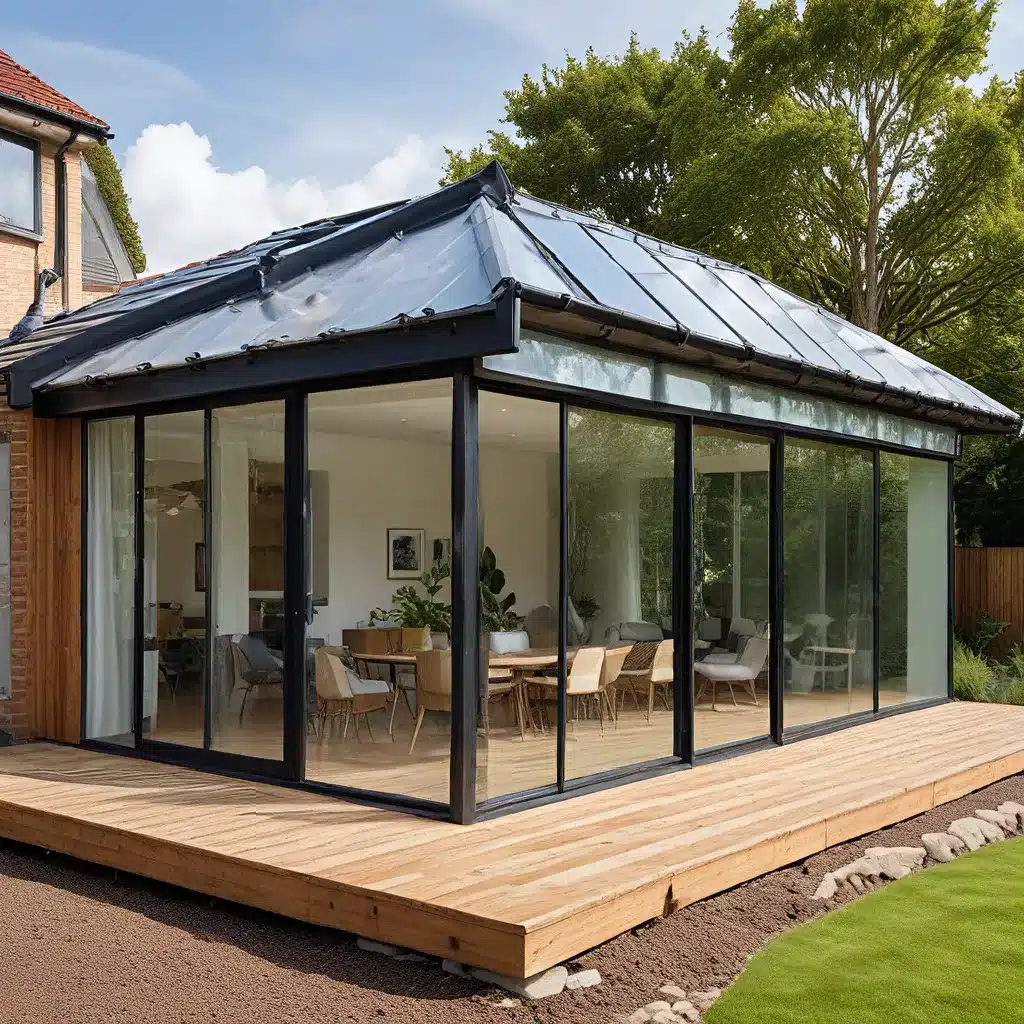
As a homeowner in Aberdeen, UK, I’ve always been passionate about creating a living space that not only meets my needs but also aligns with my values of sustainability and environmental stewardship. When it came time to consider a home extension, I knew I wanted to explore eco-friendly options that would reduce my carbon footprint and contribute to a healthier planet.
The Sustainable Landscaping Approach
One of the first things I discovered in my research was the concept of sustainable landscaping. As I delved into this, I learned that creating a functional, easy-to-maintain, environmentally friendly, cost-effective, and aesthetically pleasing outdoor space is not only possible but also incredibly rewarding. The University of Minnesota Extension service provided a wealth of information on the five key considerations for sustainable landscape design: design, plant selection, implementation, maintenance, and environmental impact.
Design Considerations
When it comes to designing my home extension, I wanted to ensure that the outdoor space would be both practical and visually appealing. The SULIS (Sustainable Urban Landscape Information Series) articles were particularly helpful in guiding me through the process. They covered topics like creating a functional and easy-to-maintain space, incorporating environmentally friendly features, and achieving an aesthetically pleasing result.
One of the key design elements I focused on was incorporating native plants into the landscape. By selecting plants that are well-suited to the local climate and soil conditions, I can reduce the need for water, fertilizers, and pesticides, ultimately minimizing my environmental impact. The resources on creating butterfly gardens, rain gardens, and pollinator-friendly landscapes were particularly inspiring.
Plant Selection Considerations
As I planned the plant selection for my home extension, I knew I wanted to prioritize species that would thrive in the local environment while also providing benefits to the ecosystem, such as supporting pollinators and creating habitats for wildlife. The Plant Elements of Design program was invaluable in helping me identify the “right plant, right place” for my specific landscaping needs.
I was particularly intrigued by the idea of incorporating native grasses, fine fescue lawns, and prairie gardens into the design. Not only do these elements add visual interest and texture to the space, but they also require less maintenance and water than traditional turf grass, making them a more sustainable choice.
Implementation and Maintenance Considerations
Once I had a clear vision for the design and plant selection, it was time to think about the implementation and ongoing maintenance of the project. The SULIS articles on planting and maintaining various landscape elements were incredibly helpful in guiding me through the process.
I quickly realized that proper implementation and maintenance are crucial for the long-term success and sustainability of the space. Things like correct planting techniques, appropriate watering schedules, and strategic pruning and mowing practices all play a role in ensuring the health and longevity of the landscape.
Eco-Friendly Home Extension Considerations
While the sustainable landscaping approach was a significant part of my home extension project, I also needed to consider other eco-friendly elements that could be integrated into the design and construction of the actual structure.
Energy Efficiency
One of the primary concerns was ensuring the home extension was as energy-efficient as possible. This meant exploring options like high-performance insulation, energy-efficient windows and doors, and incorporating renewable energy sources like solar panels. By minimizing the energy demands of the extension, I can reduce my carbon footprint and save on long-term utility costs.
Sustainable Building Materials
Another crucial aspect was the selection of sustainable building materials. I researched options like reclaimed or recycled wood, low-emission paints and finishes, and eco-friendly insulation. Not only do these materials have a lower environmental impact, but they can also add unique character and charm to the extension.
Water Conservation
Water conservation was also a top priority for me. I looked into incorporating water-efficient fixtures, installing a greywater system for irrigation, and potentially adding a rain garden or rainwater harvesting system. These features can help reduce the extension’s demand on local water resources and promote responsible water management.
Waste Reduction
Throughout the construction process, I also wanted to minimize waste and divert as much material from landfills as possible. This involved working closely with the builders to implement recycling and composting programs, as well as exploring options for repurposing or donating leftover materials.
Navigating the Sustainable Home Extension Process
As I embarked on this journey, I quickly realized that creating a truly sustainable home extension was a multifaceted and complex endeavor. It required balancing various considerations, from landscape design and plant selection to energy efficiency and material sourcing.
One of the most valuable resources I discovered was the University of Minnesota Extension service, which provided a wealth of information and guidance on sustainable landscaping practices. Additionally, the EcoReports article on sustainable design factors and the Homebuilding & Renovating guide on building a green extension were invaluable in helping me navigate the various aspects of sustainable home improvement.
Throughout the process, I encountered a few challenges, such as balancing the initial investment with long-term cost savings, finding qualified contractors who specialize in sustainable construction, and navigating the regulatory landscape. However, with perseverance and a willingness to explore new possibilities, I was able to overcome these hurdles and create a home extension that I’m truly proud of.
The Benefits of a Sustainable Home Extension
As I reflect on the journey, I can confidently say that the investment in a sustainable home extension has been well worth it. Not only have I reduced my environmental impact and carbon footprint, but I’ve also created a living space that aligns with my values and enhances my overall quality of life.
The improved energy efficiency has resulted in lower utility bills and a more comfortable indoor environment. The carefully selected native plants and landscaping elements have attracted a diverse array of wildlife, turning my backyard into a thriving ecosystem. Additionally, the use of sustainable materials and waste-reduction strategies has minimized the environmental impact of the construction process and left me with a sense of pride and accomplishment.
Perhaps most importantly, this project has inspired me to continue exploring ways to live more sustainably and encouraged me to share my experiences with friends, family, and my local community. By leading by example and sharing the lessons I’ve learned, I hope to inspire others to embark on their own sustainable home improvement journeys.
As I look to the future, I’m excited to see how the field of sustainable home design and construction continues to evolve. There are likely new technologies, materials, and best practices that will emerge, and I can’t wait to stay informed and potentially incorporate them into my home. The pursuit of a more sustainable living environment is an ongoing process, and I’m committed to being a part of that journey.
If you’re considering a home extension in Aberdeen, UK, I highly encourage you to explore the eco-friendly options available. By prioritizing sustainability and making informed choices, you can create a living space that not only meets your needs but also contributes to a healthier, more sustainable future. And who knows, you might even discover a newfound passion for sustainable living in the process!